Ibogaine has meaningful clinical evidence for opioid dependence — but if you're searching "ibogaine Florida," you'll hit a legal and regulatory wall inside the state. This guide covers Florida's actual legal picture, the specific safety reasons ibogaine requires real medical infrastructure, and the unusually short flight from South Florida to a licensed international facility.
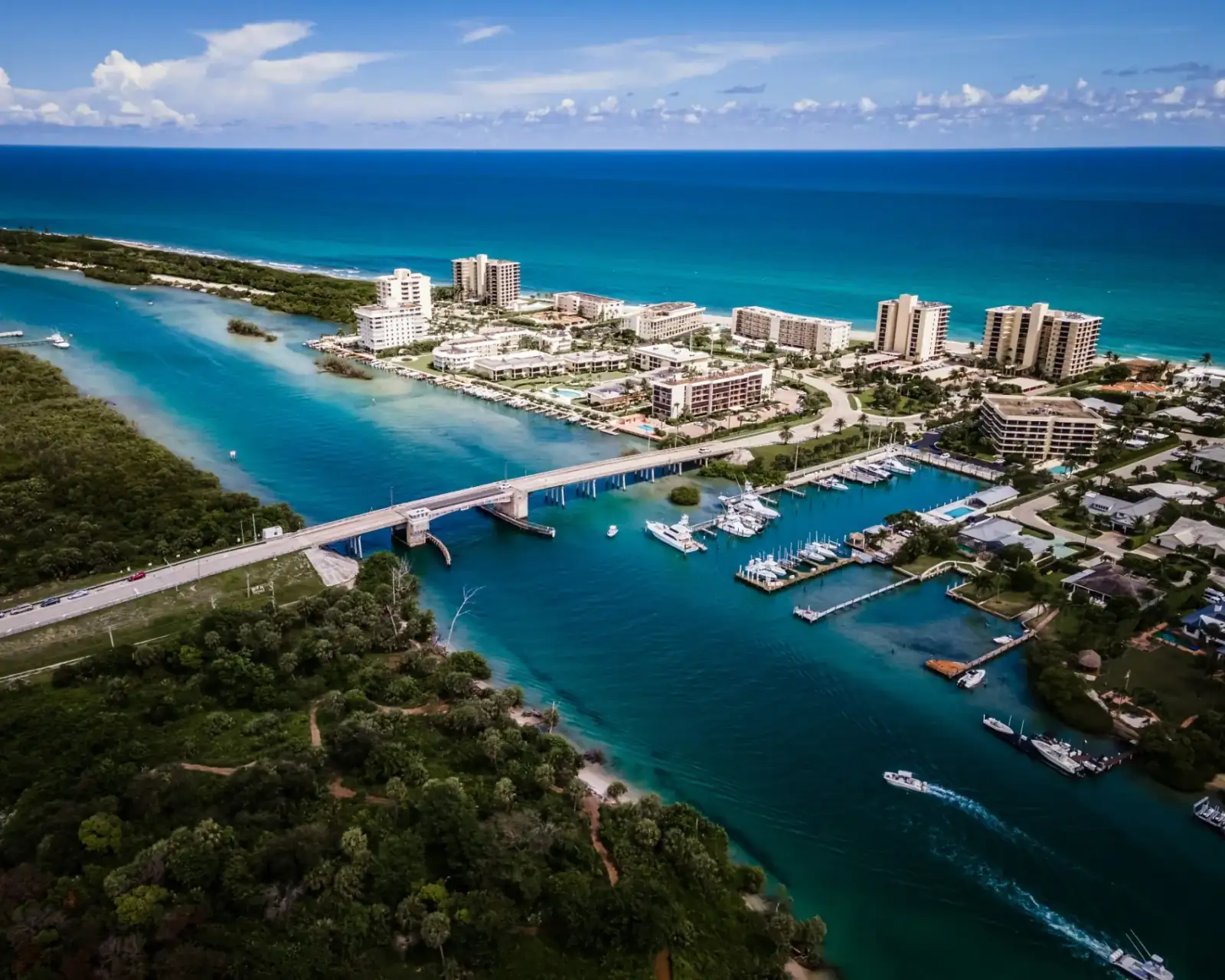
Federal Schedule I Applies in Florida
Ibogaine, the primary alkaloid of Tabernanthe iboga, is a Schedule I controlled substance under 21 U.S.C. § 812. Schedule I is defined as having no currently accepted medical use in the United States and a high potential for abuse. Ibogaine has not been approved by the FDA for any indication. Florida Statutes Chapter 893 mirrors federal scheduling.
Florida Has No Ibogaine Treatment Framework
Florida has not passed state-level reform equivalent to Colorado's Proposition 122, and Proposition 122 itself has not yet produced a functioning regulated ibogaine program. No FDA-regulated clinic, hospital, or addiction treatment program in Florida offers ibogaine. Any provider in the state claiming to offer ibogaine is operating outside the law and without standard-of-care oversight.
Why Ibogaine Requires Real Medical Infrastructure
This distinction matters more for ibogaine than for most other entheogens. Ibogaine has documented cardiac effects — most notably QT-interval prolongation — that require pre-treatment ECG screening, electrolyte correction, continuous cardiac monitoring during the active phase, and physician-led emergency capability. Fatalities in the published literature have almost universally involved undiagnosed cardiac risk factors, drug interactions, or absence of medical supervision.
Ibogaine is not a substance to attempt in an underground or unequipped setting — in Florida or anywhere else.
The Short Flight to a Licensed Facility
The travel logistics from Florida to a licensed international ibogaine facility are the most convenient in the United States. Direct flights from MIA, FLL, and PBI to Cancún International Airport (CUN) run approximately 1.5 to 2 hours, with multiple daily carriers, followed by a ground transfer of roughly 90 minutes to Tulum. Total door-to-door is comparable to driving from Miami to Orlando.
Sanctuary Tulum operates in Tulum, Mexico under a federal health license as a hospital and clinic. Every ibogaine therapy program program includes pre-arrival medical screening (ECG, liver function, electrolyte review), on-site physician supervision, continuous cardiac monitoring, and documented emergency protocols. For a broader view of what a licensed facility should look like, see our guide to a safe psychedelic facility.
South Florida residents weighing this alongside conventional treatment often also read luxury rehab for South Florida residents.
Bottom Line for Floridians
Ibogaine is federally Schedule I, not FDA-approved, and has no licensed treatment framework in Florida. Given the cardiac safety profile, ibogaine especially should not be attempted outside a properly equipped medical setting. The realistic option for Florida residents is a licensed international facility — and from South Florida, that facility is a short direct flight away.
References
- Controlled Substances Act, 21 U.S.C. § 812, Schedule I(c) (ibogaine).
- Florida Statutes, Chapter 893.
- Colorado Proposition 122 (2022); Natural Medicine Health Act.
- Alper KR, Stajic M, Gill JR. Fatalities temporally associated with the ingestion of ibogaine. J Forensic Sci. 2012;57(2):398-412.
- Koenig X, Hilber K. The anti-addiction drug ibogaine and the heart. Molecules. 2015;20(2):2208-2228.
- Mash DC et al. Ibogaine detoxification transitions opioid and cocaine abusers between dependence and abstinence. Front Pharmacol. 2018;9:529.
For the full program overview, read about our ibogaine treatment program.