
Why Benzodiazepine Withdrawal Is the Most Dangerous Detox
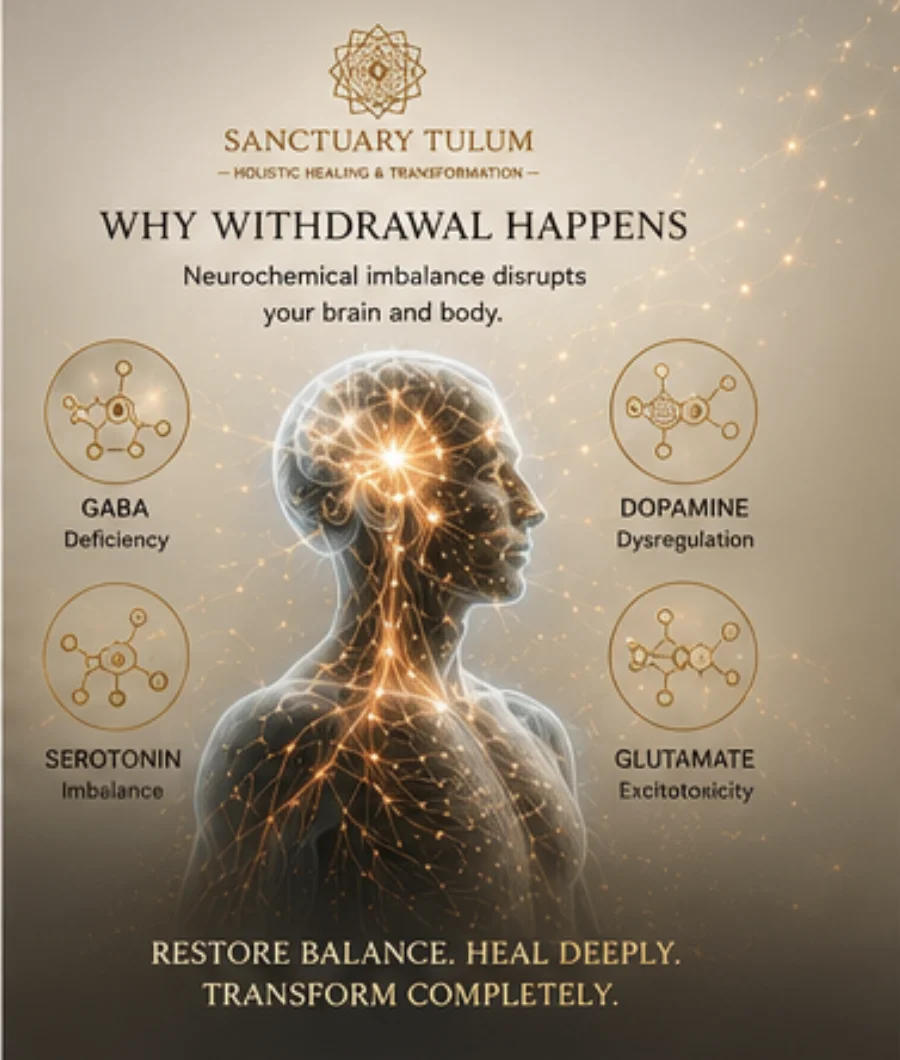
Benzodiazepine withdrawal is widely recognized as one of the most dangerous forms of drug withdrawal — more dangerous than opioid withdrawal, and potentially fatal without proper medical supervision. Benzodiazepines like Xanax, Klonopin, Valium, and Ativan fundamentally alter the brain's GABA receptor system. When these drugs are removed, the nervous system can become dangerously hyperactive, leading to seizures, psychosis, extreme anxiety, insomnia, tremors, and in severe cases, death.
Conventional medicine manages benzo withdrawal through slow tapers — a process that can take months or even years while the patient continues to suffer. Many doctors simply substitute one benzodiazepine for another, or add medications like gabapentin, Seroquel, and antidepressants — creating even more chemical dependency. This is not healing. This is symptom management that keeps patients trapped.
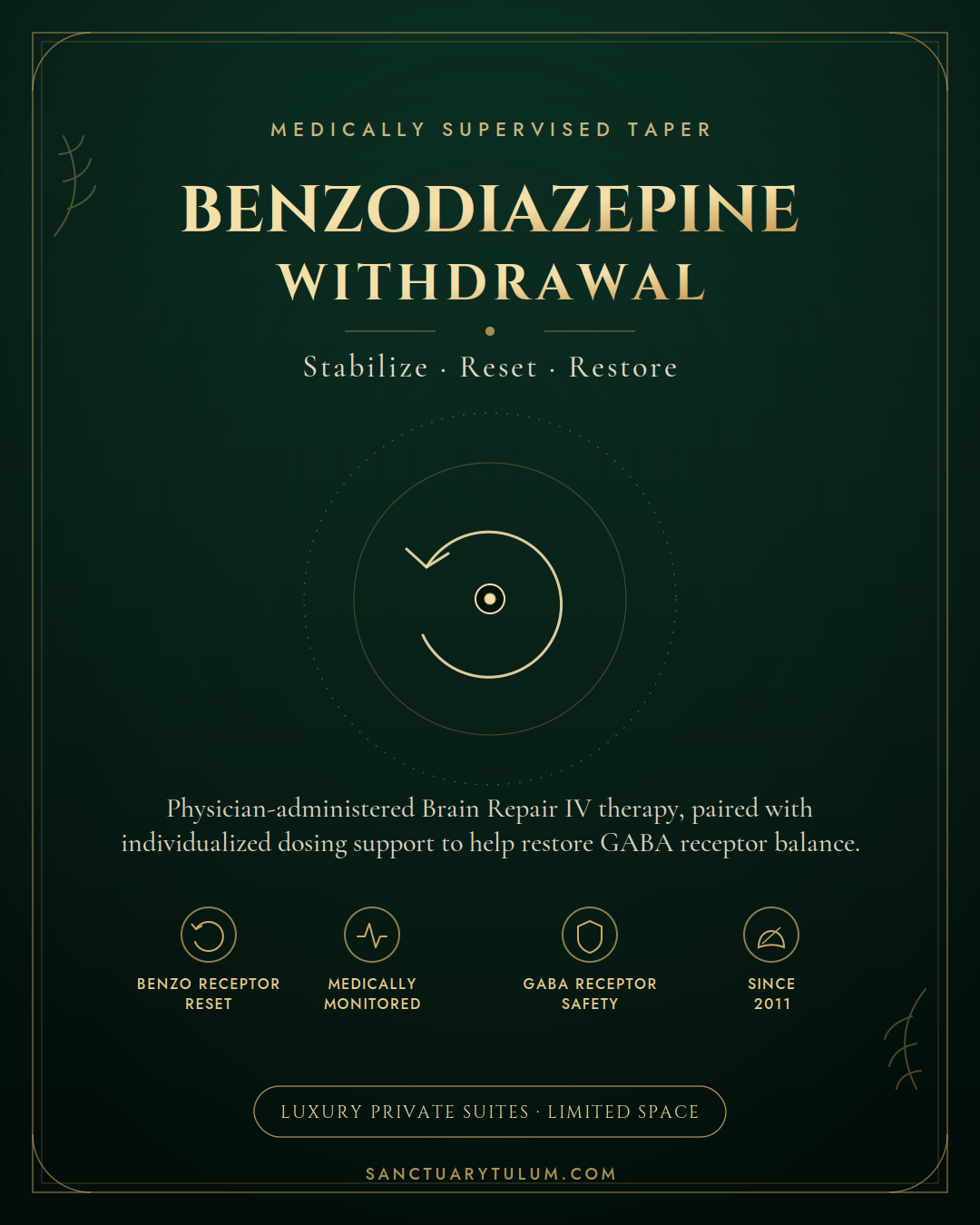
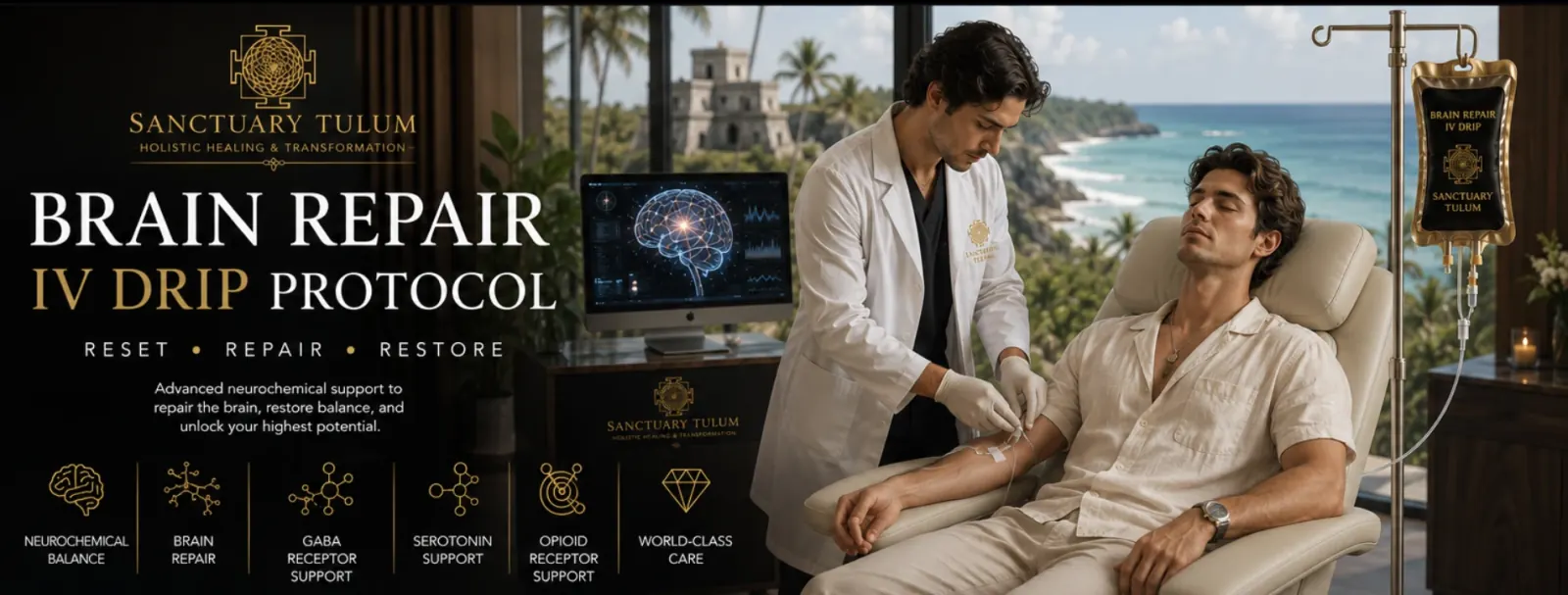
At Sanctuary Tulum, we take an individualized, physician-directed approach. Our Pouyan Method™ and proprietary Brain Repair IV Drip Protocol are designed to support nervous-system stabilization alongside careful tapering, monitoring, nutrition, sleep support, and integrative care. No IV protocol can guarantee complete receptor repair or a symptom-free withdrawal.
The Brain Repair IV Drip: The Heart of Benzo Recovery
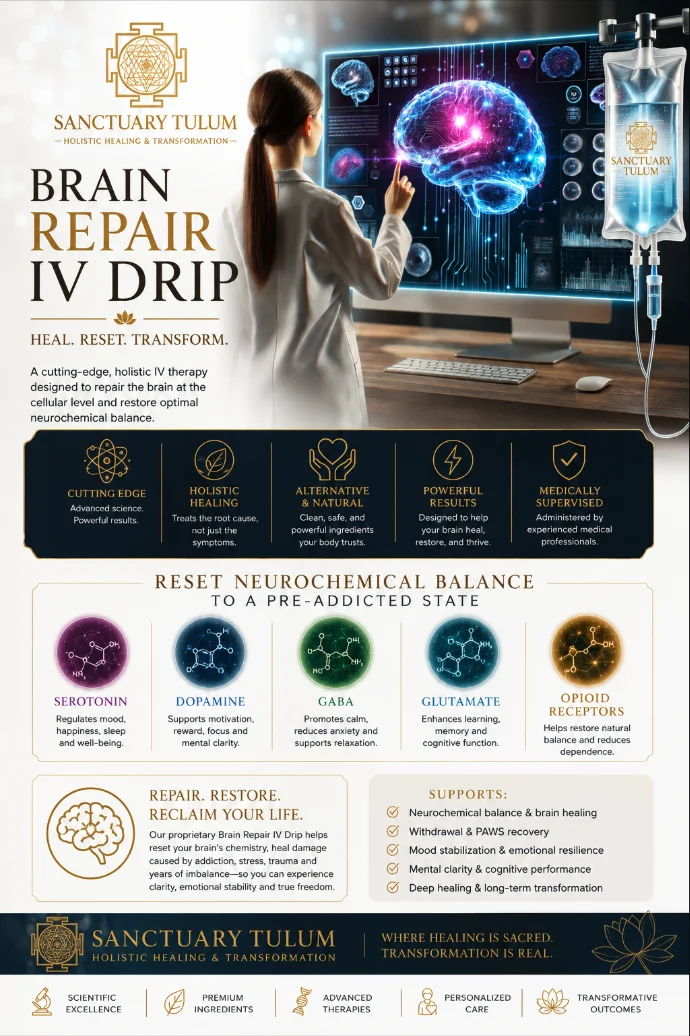
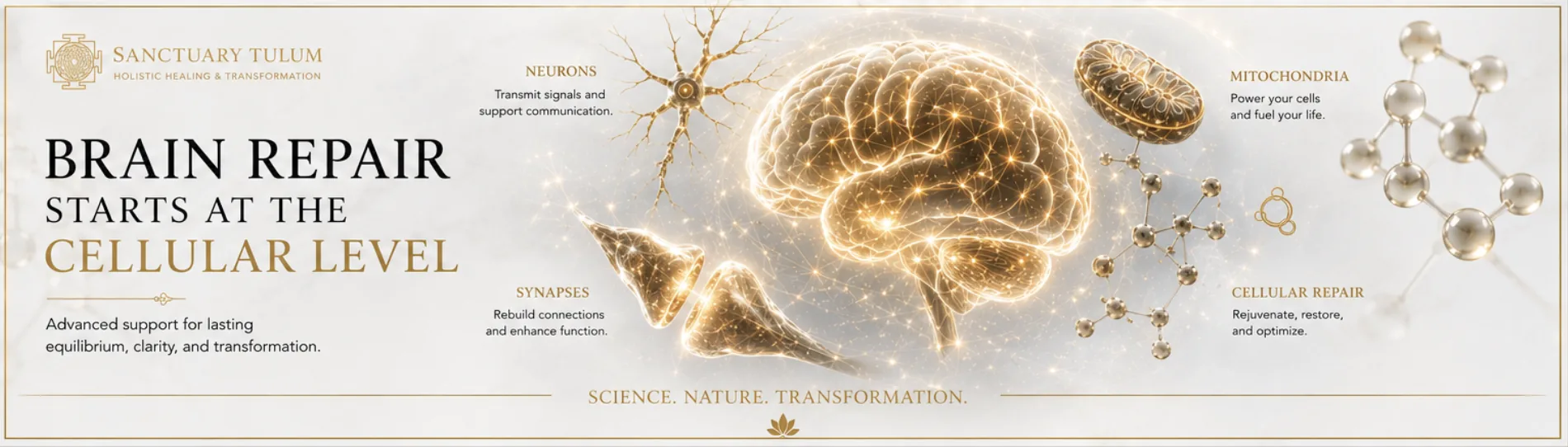
The Brain Repair IV Drip is a proprietary, standalone neurochemical reset protocol developed by Johnny Tabaie. It is the cornerstone of everything we do for benzodiazepine withdrawal. It is NOT NAD+, NOT amino acids, NOT glutathione, NOT vitamin C, NOT chelation — those are all separate, distinct therapies also administered at Sanctuary Tulum.
What the Brain Repair IV Drip Does:
- • Supports GABA-System Recovery — Long-term benzodiazepine exposure changes GABA-A receptor signaling. The Brain Repair IV Drip is used as supportive care while the nervous system adapts during a physician-directed taper.
- • Supports Neurochemical Stability — The protocol is designed to support broader nervous-system recovery; it is not represented as a proven receptor reset.
- • Supports Excitatory–Inhibitory Balance — Clinical monitoring, gradual tapering, sleep, nutrition, and supportive therapies work together to reduce destabilization risk.
- • May Reduce Withdrawal Distress — Supportive care aims to make symptoms more manageable, but withdrawal severity and duration vary.
- • Supports Longer-Term Recovery — No protocol can promise to prevent protracted symptoms; taper pace remains individualized and physician-directed.
Additional IV Therapies (Separate from Brain Repair IV Drip):
Clients also receive these distinct, standalone IV therapies as part of the comprehensive protocol:
- • NAD+ IV Therapy — A separate cellular energy coenzyme that supports mitochondrial function, ATP production, and neuroprotection. NOT a neurochemical reset — serves a different clinical purpose.
- • Amino Acid IV Infusions — Provides precursors for natural neurotransmitter production.
- • Glutathione IV — The body's master antioxidant for cellular detoxification.
- • High-Dose Vitamin C IV — Immune support and liver detoxification.
- • Chelation Heavy Metal Detox IV — Removes toxic heavy metals that compound neurological dysfunction.
Our Complete Benzo Withdrawal Protocol
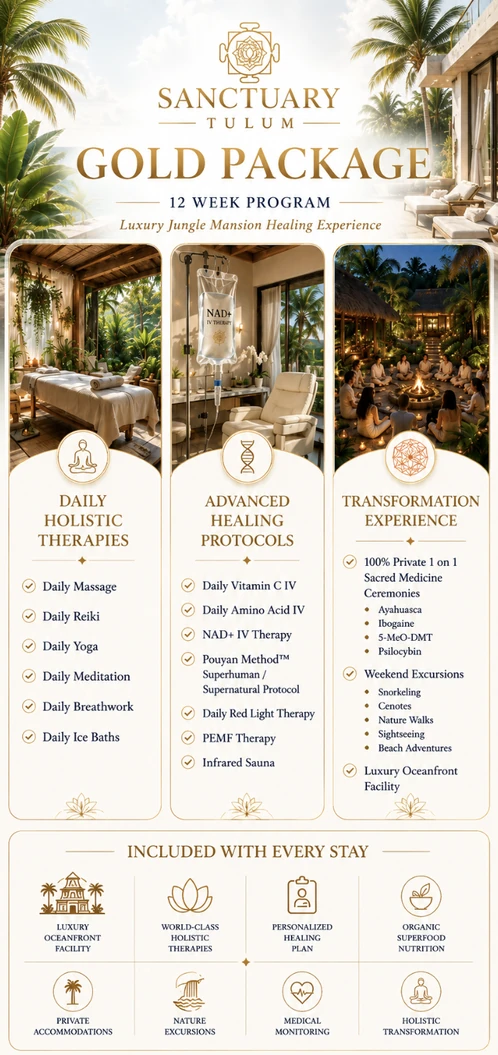
The Brain Repair IV Drip Protocol is just one component of our comprehensive approach. Our full benzodiazepine withdrawal and rehab program includes:
- • 24/7 medical supervision with on-site physicians, nurses, and cardiac monitoring throughout withdrawal
- • Brain Repair IV Drip — proprietary neurochemical reset protocol (standalone — NOT NAD+ or vitamins)
- • Ibogaine therapy — to reset neuroreceptors, eliminate cravings, and process the psychological roots of dependence
- • Stem cell therapy — mesenchymal stem cells for accelerated brain and nervous system regeneration
- • Hyperbaric oxygen therapy (HBOT) — daily sessions to promote neurogenesis, reduce inflammation, and activate stem cells
- • Private ayahuasca ceremonies — for deep subconscious processing and trauma resolution (see our medically supervised ayahuasca ceremony)
- • supervised 5-MeO-DMT ceremonies — for nervous system reset and spiritual healing
- • Psilocybin therapy — for neuroplasticity and creating new neural pathways
- • Daily yoga, meditation, breathwork, and massage — to support the nervous system, reduce cortisol, and promote deep relaxation
- • Organic superfood nutrition — 100% organic, non-GMO, plant-based diet with superfood juices, bone broth, lion's mane, spirulina, moringa, and colostrum
- • Red light therapy and infrared sauna — for cellular detoxification and nervous system regulation
- • Green coffee enemas — for liver detoxification and glutathione production
Why Conventional Benzo Detox Fails
Most rehab facilities, hospitals, and psychiatrists use the same failed approach to benzodiazepine withdrawal: slow tapers with more benzodiazepines. They switch patients from a short-acting benzo (like Xanax) to a long-acting one (like Valium) and gradually reduce the dose over weeks, months, or even years. Some add gabapentin, pregabalin, SSRIs, or antipsychotics to "manage symptoms."
This approach has fundamental flaws:
- • It never repairs the damaged GABA receptors — it just slowly reduces the drug keeping them artificially activated
- • It takes months to years, during which patients suffer terribly
- • It often adds more medications, creating new dependencies
- • It does nothing to address the trauma, anxiety, or depression that led to benzo use in the first place
- • Relapse rates are extremely high because the brain was never actually healed
Our Pouyan Method™ combines physician-directed tapering with the Brain Repair IV Drip as supportive care. Separately, NAD+ IV therapy, amino acid IVs, HBOT, nutrition, and individualized integration may be used when clinically appropriate. The goal is a safer, more tolerable recovery process—not a promised outcome or a replacement for medical tapering.
Benzodiazepines We Treat
- • Xanax (Alprazolam)
- • Klonopin (Clonazepam)
- • Valium (Diazepam)
- • Ativan (Lorazepam)
- • Librium (Chlordiazepoxide)
- • Restoril (Temazepam)
- • Halcion (Triazolam)
- • Ambien (Zolpidem)
- • Lunesta (Eszopiclone)
- • All other benzodiazepines and Z-drugs
Benzo Withdrawal Symptoms We Address

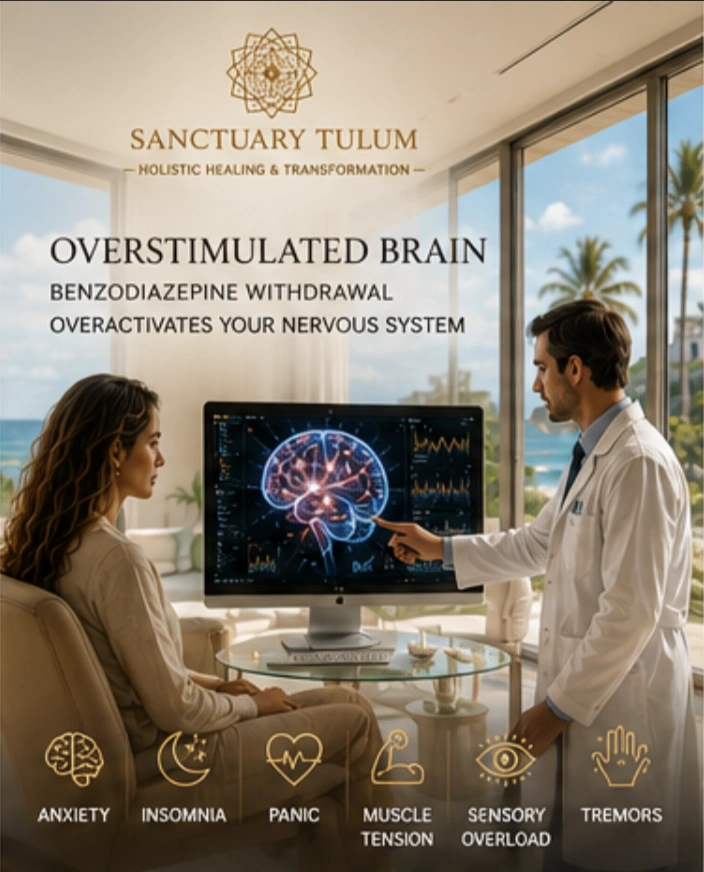
Our Brain Repair IV Drip Protocol and holistic therapies directly target and resolve the full spectrum of benzodiazepine withdrawal symptoms:
- • Severe anxiety, panic attacks, and agoraphobia
- • Insomnia and sleep disruption
- • Seizure prevention and management
- • Depersonalization and derealization
- • Muscle tension, spasms, and pain
- • Cognitive impairment and brain fog
- • Depression and suicidal ideation
- • Sensory hypersensitivity (light, sound, touch)
- • Gastrointestinal distress
- • Protracted Withdrawal Syndrome (PAWS)
Benzo Recovery Treatment Packages
Three levels of care — Gold, Platinum, and our Elite VIP Package — calibrated to dose history, duration of use, and complexity. See Packages & Prices for full details.


Detox From Xanax (Alprazolam)
Xanax (alprazolam) is a short-half-life benzodiazepine that can produce inter-dose withdrawal, rebound anxiety, insomnia, and seizure risk when reduced too quickly. Our approach uses individualized physician-directed tapering, monitoring, and supportive therapies; patients should never stop alprazolam abruptly or change a prescription without their clinician.
Detox From Valium (Diazepam)
Valium (diazepam) has a long half-life and can produce a prolonged, highly individual withdrawal course. At Sanctuary Tulum, tapering decisions are physician-directed and adjusted to medication history, dose, prior attempts, symptoms, and medical risk; no fixed 4–12 week timeline can be promised.
Clinical Principles for Benzodiazepine Withdrawal Care
Responsible benzodiazepine withdrawal care begins with medical assessment, an individualized taper, monitoring for complications, and continuity after discharge. Sanctuary Tulum layers the Brain Repair IV Drip, NAD+ IV, nutrition, restorative therapies, and the Pouyan Method™ around that medical foundation when clinically appropriate.
Benzodiazepine Withdrawal — Our Clinical Framework
Benzodiazepine withdrawal requires more than removing a medication: it requires a carefully paced taper, medical risk management, sleep and nutritional support, and continuity of care. Program length is individualized, and withdrawal may extend beyond a residential stay. Never change or discontinue benzodiazepines without qualified medical supervision.
Post-Acute Withdrawal Syndrome (PAWS) and BIND
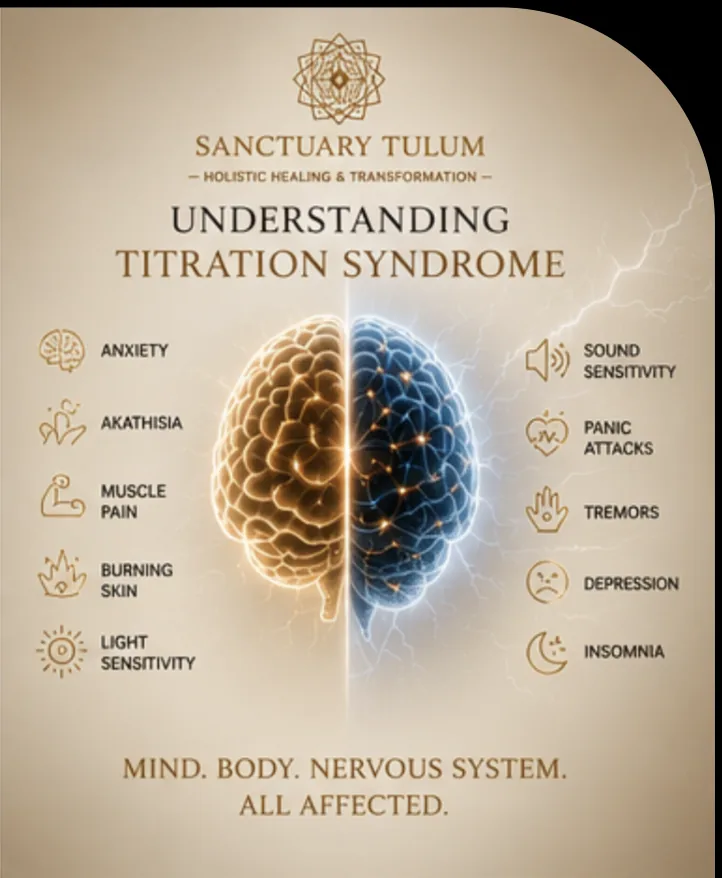
Peer-reviewed reviews in Addiction, Current Opinion in Psychiatry, and the Journal of Clinical Medicine have described a syndrome of prolonged post-acute symptoms following benzodiazepine discontinuation — cognitive fog, sleep dysregulation, autonomic instability, hyperacusis, and akathisia — that can persist for weeks to months after acute withdrawal resolves. The advocacy and clinical literature has increasingly referred to the more severe end of this spectrum as BIND (benzodiazepine-induced neurological dysfunction). The single most under-treated fact of benzo recovery is that these post-acute symptoms are neurochemical, not psychiatric, and require targeted receptor and micronutrient recovery — not another prescription.
Our program is designed for exactly that window. The Brain Repair IV protocol continues past the acute-taper phase; sleep architecture is rebuilt with red-light exposure, magnesium and glycine, and structured circadian scheduling; nervous-system-calming modalities — infrared sauna, cold plunge, breathwork, restorative yoga — are calibrated to each guest's autonomic state; and one-on-one integration coaching addresses the underlying anxiety, insomnia, or trauma that led to the original prescription.
Layered Medications and Poly-Prescription Realities
Most guests entering a benzodiazepine recovery program are not on benzodiazepines alone. Common layered regimens include SSRIs and SNRIs, Z-drugs (zolpidem, eszopiclone), trazodone, quetiapine at "sleep" doses, gabapentinoids, and — in a subset — opioid analgesics. Each of these categories interacts with the benzodiazepine taper in specific ways, and each requires its own transition plan. Our medical team addresses the full pharmacologic picture rather than isolating the benzodiazepine, coordinating with our SSRI and antidepressant treatment, opioid recovery, and PTSD programs inside the same continuous stay.
Screening: Who the Program Fits — and Who It Does Not
Every prospective guest completes a pre-arrival medical workup: comprehensive metabolic and lipid panels, CBC, liver function tests, HbA1c where indicated, 12-lead EKG, and — for guests with cardiac risk factors or complex polypharmacy — echocardiogram and cardiology consult. Every current prescription is reviewed against interaction and contraindication lists. Applicants who are pregnant, who have untreated long QT syndrome, who have active suicidal intent requiring inpatient psychiatric hospitalization, or who have medical conditions that contraindicate international travel are directed to stateside acute care before any admission is considered. This screening framework is the reason our medically supervised safety record has held across more than a decade of continuous operation. Guests can review the broader safety architecture on our safety page.
Integration and the Post-Discharge Window
The highest-risk moment of a benzodiazepine recovery is discharge. Sleep is still consolidating, autonomic tone is still recalibrating, and the environmental triggers that led to prescription typically return within days. Guests leave with a written integration plan covering sleep hygiene, nutrition, movement, breathwork, red-light and sauna protocols, ongoing supplementation, and structured clinical check-ins. Guests with high-visibility responsibilities frequently coordinate a phased re-entry through one-on-one integration coaching. The most durable outcomes come from guests who treat the post-program window with the same seriousness as the acute taper itself.
Explore Our Benzo Recovery Resources
Related Treatment Programs
- → Luxury Rehab — Complete Holistic Healing
- → Luxury alcohol treatment center
- → Brain Repair IV Drip Therapy
- → Medically supervised luxury detox
- → Ibogaine Treatment for Addiction
- → Ayahuasca retreat
- → SSRI & Antidepressant Withdrawal Treatment
- → Treatment for Depression
- → The Pouyan Method™
- → All Conditions We Treat
- → About Johnny Tabaie & Our Story
Medication-by-Medication: What Actually Changes
Benzodiazepines are not a monolith. Alprazolam (Xanax) and lorazepam (Ativan) are short-half-life agents that produce sharp inter-dose withdrawal and require a fundamentally different taper strategy from long-half-life agents like diazepam (Valium) or clonazepam (Klonopin). The Ashton Manual's clinical guidance — cross-titrating short-half-life agents to a long-half-life equivalent before initiating the taper — is used selectively in our program, calibrated to each guest's medication history, prior taper attempts, and autonomic response. Dedicated deep-dive articles cover each medication: Xanax (alprazolam) withdrawal, Klonopin (clonazepam) withdrawal, Valium (diazepam) withdrawal, Ativan (lorazepam) withdrawal, holistic rehab for benzodiazepines, Valium recovery, Xanax recovery, Klonopin recovery, the kindling effect, and Z-drugs vs. benzodiazepines. The full clinical picture is available on our new page The Dangers of Valium, Xanax & Klonopin.
The Regenerative Layer of Benzo Recovery
A taper on its own is a subtraction. Recovery is an addition. The reason guests entering their fifth, sixth, or tenth taper attempt frequently succeed in our program is that the taper is only one component of a much larger biological repair architecture. Mesenchymal stem cell infusions address the systemic neuroinflammation associated with long-duration benzodiazepine exposure. Hyperbaric oxygen therapy and mitochondrial support through NAD+ and amino-acid IVs restore the cellular energetics that chronic benzodiazepine use compromises. Infrared sauna, cold plunge, and breathwork are calibrated to each guest's autonomic state. Nutrition is treated as a clinical goal — magnesium, B-complex, glycine, and amino-acid precursors are repleted through IV protocols and 100% organic superfood nutrition, and sleep architecture is rebuilt through structured circadian scheduling and red-light exposure rather than reinstatement of a hypnotic.
The Sleep Layer: An Under-Treated Component
The single most under-treated component of conventional benzodiazepine withdrawal is sleep. Chronic benzodiazepine exposure alters sleep architecture in specific, measurable ways — reduced slow-wave sleep, altered REM density, and disruption of the circadian rhythm — and those changes do not resolve on the taper timeline. Our program rebuilds sleep as a clinical outcome, not an incidental byproduct: structured circadian scheduling, morning light exposure, evening red-light exposure, magnesium and glycine repletion, and — where indicated — gentle plant-based sleep support rather than reinstatement of a hypnotic. Autonomic recalibration is addressed in parallel through breathwork, restorative yoga, meditation, and calibrated infrared sauna and cold-plunge cycles.
Frequently Asked Clinical Questions
How is a physician-supervised residential program different from an outpatient one? Outpatient models are designed around a guest returning to their home environment between sessions, which is appropriate for stable, low-severity cases but insufficient for the complex, high-severity presentations our program is built for. Residential care under continuous physician supervision allows for real-time medication adjustment, 24-hour observation during sensitive taper phases, and immediate response to autonomic instability — variables that cannot be reproduced in an outpatient setting.
What does a typical intake process look like? Intake begins with a confidential clinical consultation to establish medication history, substance-use history, medical history, prior treatment attempts, and current goals. A pre-arrival medical workup is coordinated — labs, EKG, and where indicated, echocardiogram and cardiology consult. Every current prescription is reviewed against interaction and cardiac-risk lists. When the clinical picture confirms fit, admission is scheduled; when it does not, guests are referred to a more appropriate level of care.
What is the family's role during the program? Family members are often as depleted as the guest by the time admission occurs. Our program offers structured family communication, phased re-engagement, and — where indicated — family integration sessions that address the systemic dynamics that recovery inevitably surfaces. This is coordinated through one-on-one integration coaching.
What happens after the program ends? Guests leave with a written integration plan — sleep architecture, nutrition, movement, breathwork, supplementation, environmental design, and structured clinical check-ins. Guests with high-visibility responsibilities frequently coordinate a phased re-entry through ongoing coaching. The most durable outcomes come from guests who treat the post-program window with the same seriousness as the acute phase.
How is confidentiality protected? Privacy is architected into the program at every layer — private accommodations, one-on-one clinical sessions, no group settings, and structured protocols for guests with public profiles or high-visibility responsibilities. This is a core reason the program has served executives, artists, and public figures continuously for more than a decade. The full editorial position on privacy is documented on our luxury rehab center page.
Why This Model Endures When Others Regress to Medication
The conventional recovery industry has trended in one direction over the past two decades: toward pharmacology as the default answer. Suboxone maintenance for opioids, methadone maintenance for opioids, gabapentin for benzodiazepine tapers, quetiapine at "sleep" doses, layered antidepressants for the depressive symptomatology that chronic substance use produces. Each of these interventions has a legitimate use case in acute medicine. What has been lost is the distinction between acute stabilization and long-term identity as "a person on medication." Our program was built specifically to preserve that distinction — to use pharmacology only where it is genuinely necessary, and to build the biological, neurochemical, and psychospiritual repair that allows guests to leave the program without a lifelong pharmacologic dependence.
Peer-reviewed longitudinal data — in JAMA Psychiatry, The Lancet Psychiatry, and the American Journal of Psychiatry — has documented meaningful risks associated with long-duration polypharmacy: metabolic dysregulation, receptor desensitization, discontinuation syndromes, and diminished response to future interventions. Guests who arrive already carrying a five-, seven-, or ten-medication regimen are not asked to abandon those medications abruptly. They are transitioned under physician supervision, with regenerative-medicine and integration work running in parallel to the taper, and — where the clinical picture supports it — with medically supervised plant-medicine sessions that address the underlying neurobiological drivers.
The Editorial Position: Honesty Over Marketing
This program does not promise cures, does not promise 100% success, and does not promise miracles. It promises what more than a decade of continuous operation has actually delivered: a medically supervised environment, a physician-directed clinical plan calibrated to each guest, a regenerative-medicine layer that most residential programs do not have access to, medically supervised plant-medicine protocols with a safety record built on strict screening, and a one-on-one integration architecture designed to make the recovery durable in the environment the guest returns to. That is the honest description of the program. Everything else is marketing.
Guests who want the founder's editorial voice on this position can review our letter from Johnny Tabaie and the extended author page. The medical review architecture is documented on our medical review board page and by our medical director on the meet the team page.