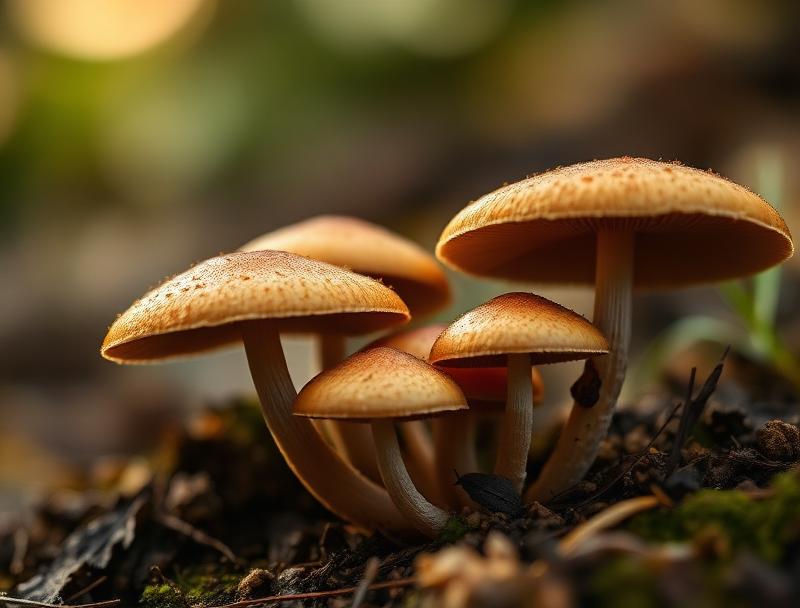
Psilocybin therapy — the clinical use of magic mushrooms for mental health treatment — has emerged as one of the most promising breakthroughs in psychiatry. While still restricted in most US states, Mexico offers legal access to psilocybin-assisted therapy in professional, medically supervised settings.
What Is Psilocybin Therapy?
Psilocybin is the active compound in "magic mushrooms." In therapeutic settings, it's administered in controlled doses under professional supervision to treat depression, anxiety, PTSD, addiction, and existential distress. Research from Johns Hopkins, Imperial College London, and NYU has demonstrated remarkable efficacy — often after just one or two sessions.
Why Mexico for Psilocybin?
Mexico has a deep cultural history with psilocybin mushrooms, particularly through the Mazatec tradition of María Sabina. Today, Mexico offers a legal framework where psilocybin can be administered therapeutically. Sanctuary Tulum combines this ancient wisdom with modern clinical protocols for the safest, most effective experience.
The Therapeutic Process
- Preparation — Psychological screening, intention setting, and dietary guidelines
- The ceremony — Guided psilocybin session in a safe, beautiful environment with trained facilitators
- Integration — Post-session therapy to process insights and translate them into lasting change
Psilocybin as Part of the Pouyan Method
At Sanctuary Tulum, psilocybin ceremonies are one component of the comprehensive Pouyan Method. Combined with ibogaine therapy, ayahuasca ceremonies, 5-MeO-DMT, stem cell therapy, and advanced nutritional protocols, psilocybin becomes even more powerful — each modality building on the others to create deep, lasting transformation.
Conditions Treated with Psilocybin
Clinical research supports psilocybin therapy for: treatment-resistant depression, end-of-life anxiety, PTSD, alcohol and tobacco addiction, OCD, cluster headaches, and existential distress. Many guests at Sanctuary Tulum who had given up on conventional psychiatry find breakthrough healing through psilocybin-assisted therapy.
Safety and Medical Oversight
While psilocybin has an excellent safety profile, proper medical screening is still essential. Certain psychiatric conditions (particularly psychotic disorders) are contraindications. At Sanctuary Tulum, every guest undergoes thorough medical and psychological evaluation before any plant medicine is administered.
What a Typical Stay Involves
A psilocybin-focused stay at Sanctuary Tulum begins with a confidential medical and psychological intake, reviewing current medications, mental health history, and any cardiovascular considerations. Guests currently taking SSRIs or other serotonergic medications work with our medical team on a documented tapering plan before ceremony day, since these medications can blunt or otherwise alter the psilocybin experience. This screening happens well before the ceremony itself, giving both guest and physician time to confirm readiness. For guests already engaged in a broader luxury rehab program, psilocybin work is sequenced alongside the rest of the clinical plan rather than offered as an isolated session.
Honest Limits and Who Should Wait
Psilocybin is not appropriate for everyone. Guests with a personal or strong family history of psychosis or certain bipolar presentations are screened out, since classical psychedelics can destabilize those conditions. Sanctuary Tulum does not diagnose or promise a cure through any single ceremony, and no outcome is guaranteed. What the program does provide is a licensed medical setting, individualized screening, and a structured integration process afterward, described further on our safest psychedelic facility page.
Integration: The Part That Determines Whether It Lasts
The ceremony itself is a small part of the overall arc. Integration — structured reflection, one-on-one processing time, and practical changes to daily life — is what determines whether insight from a session becomes lasting change. Guests leave with a written integration plan and continued contact with our team, and are encouraged to maintain their relationship with a home therapist or physician. This mirrors the same individualized, non-group approach used across our luxury mental health treatment center model and the broader Pouyan Method.
How Psilocybin Compares to Other Plant Medicines Offered
Guests sometimes ask how to choose between psilocybin, ayahuasca, and 5-MeO-DMT. Psilocybin sessions run several hours and tend to surface narrative, autobiographical material that can be discussed and processed in real time. Ayahuasca offers a similarly extended, narrative-rich experience within a different ceremonial structure. 5-MeO-DMT is far shorter and more intense, often described as non-narrative. Our medical and facilitation team helps each guest decide which modality, or sequence of modalities, fits their history and goals rather than defaulting to one option for everyone.
What the Clinical Trial Evidence Shows
Two of the most frequently cited controlled trials illustrate why psilocybin has drawn serious clinical interest. A phase 2 double-blind trial comparing psilocybin with escitalopram, a standard SSRI, in patients with moderate-to-severe major depressive disorder found the two performed comparably on the primary depression outcome over six weeks, with psilocybin also showing advantages on several secondary measures. Separately, a randomized controlled trial of psilocybin-assisted therapy in cancer patients with anxiety and depression reported rapid and sustained reductions in both conditions following a single high-dose session, with effects persisting at long-term follow-up. Neither study supports a claim of guaranteed benefit for any individual, and both were conducted with careful medical screening and trained clinical supervision — not casual use.
Contraindications and Ongoing Safety Research
Safety research on classical psychedelics continues to inform who should avoid them. Survey-based research on psilocybin use among people with bipolar disorder has documented reports of mood destabilization following use, reinforcing why bipolar spectrum diagnoses and personal or family history of psychotic disorders are treated as contraindications in supervised settings. Separately, longitudinal population research examining psychedelic use and psychotic symptoms over time has found limited evidence that psychedelic use alone provokes new psychotic illness in the general population, though this research does not extend to individuals with an existing predisposition, who remain excluded from supervised programs as a precaution. The U.S. National Center for Complementary and Integrative Health likewise notes that psilocybin remains a Schedule I substance in the U.S. and cautions that its safety and effectiveness outside of supervised research and clinical settings are not established.
Sequencing With Other Modalities
When ibogaine is part of a guest's broader plan rather than psilocybin, cardiac safety becomes the dominant consideration: published research and safety observational studies describe ibogaine's association with QT-interval prolongation and, in rare cases, life-threatening arrhythmia, which is why continuous cardiac monitoring during and after ibogaine administration is standard at a serious clinical facility. Psilocybin does not carry the same cardiac risk profile, but the two substances are never administered in the same window regardless, and any guest considering more than one plant medicine modality during a single stay works through the sequencing and spacing directly with the medical team.
References
- Carhart-Harris R, et al. Trial of Psilocybin versus Escitalopram for Depression. N Engl J Med. 2021;384:1402-1411.
- Ross S, et al. Rapid and sustained symptom reduction following psilocybin treatment for anxiety and depression in patients with life-threatening cancer. J Psychopharmacol. 2016;30(12):1165-1180.
- Risks and benefits of psilocybin use in people with bipolar disorder. PubMed. 2023.
- Longitudinal associations between psychedelic use and psychotic symptoms in the United States and the United Kingdom. PubMed. 2024.
- National Center for Complementary and Integrative Health. Psilocybin for Mental Health and Addiction: What You Need To Know. NIH.
- Koenig X, Hilber K. The anti-addiction drug ibogaine and the heart: a delicate relation. Molecules. 2015;20(2):2208-2228.
- Safety of ibogaine administration in detoxification of opioid-dependent individuals: a descriptive open-label observational study. PubMed. 2021.
Ready to take the next step? Learn about our psilocybin therapy program.
Ready to take the next step? Learn about our psychedelic retreat program.