What Is Holistic Rehab?
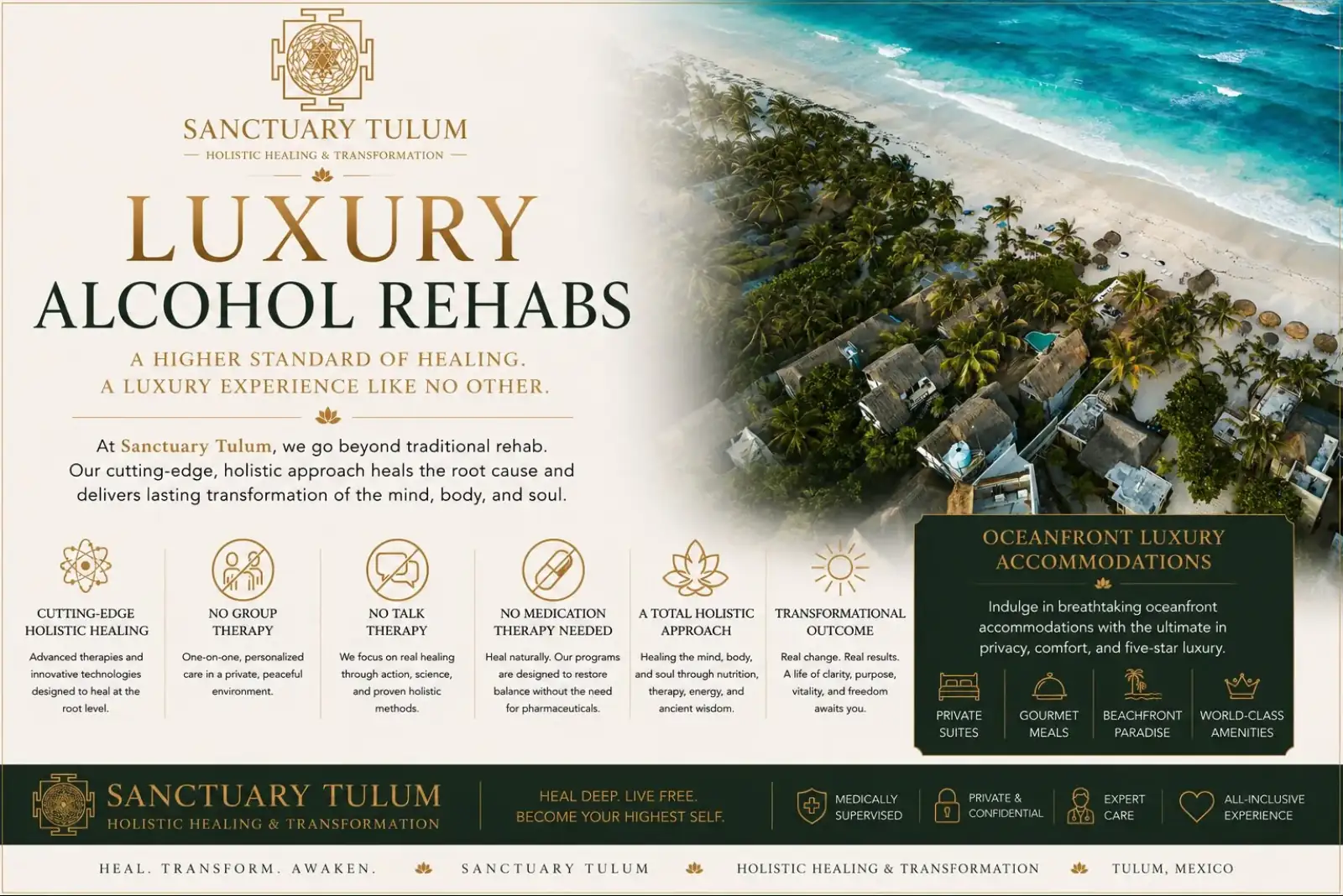
Holistic rehab is a whole-person approach to addiction and mental health recovery that treats the underlying neurochemical, emotional, physical, and spiritual roots of dependency — not just the surface symptoms. Unlike conventional rehab, which relies on medication management, group therapy, and 12-step ideology, holistic rehab uses natural, non-toxic, evidence-informed therapies to permanently repair the brain and body.
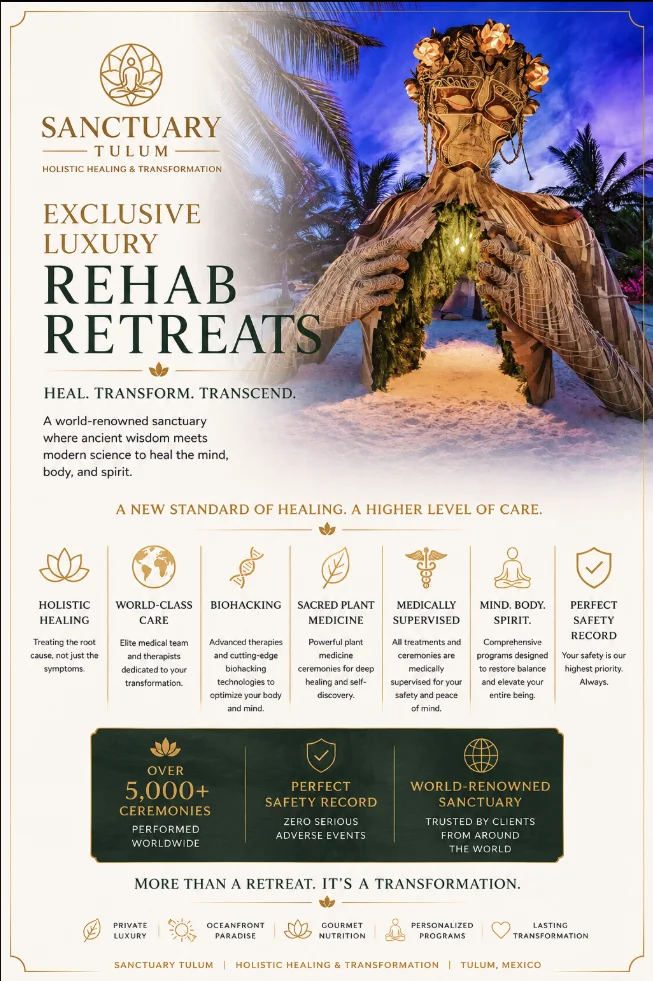
At Sanctuary Tulum, holistic rehab is a licensed medical program we have practiced since 2011. We integrate ibogaine, ayahuasca, psilocybin, and 5-MeO-DMT with regenerative medicine under one roof, delivered under on-site physician supervision within a facility licensed by Mexico's federal health authority.
Why Conventional Rehab Fails — And Holistic Rehab Works
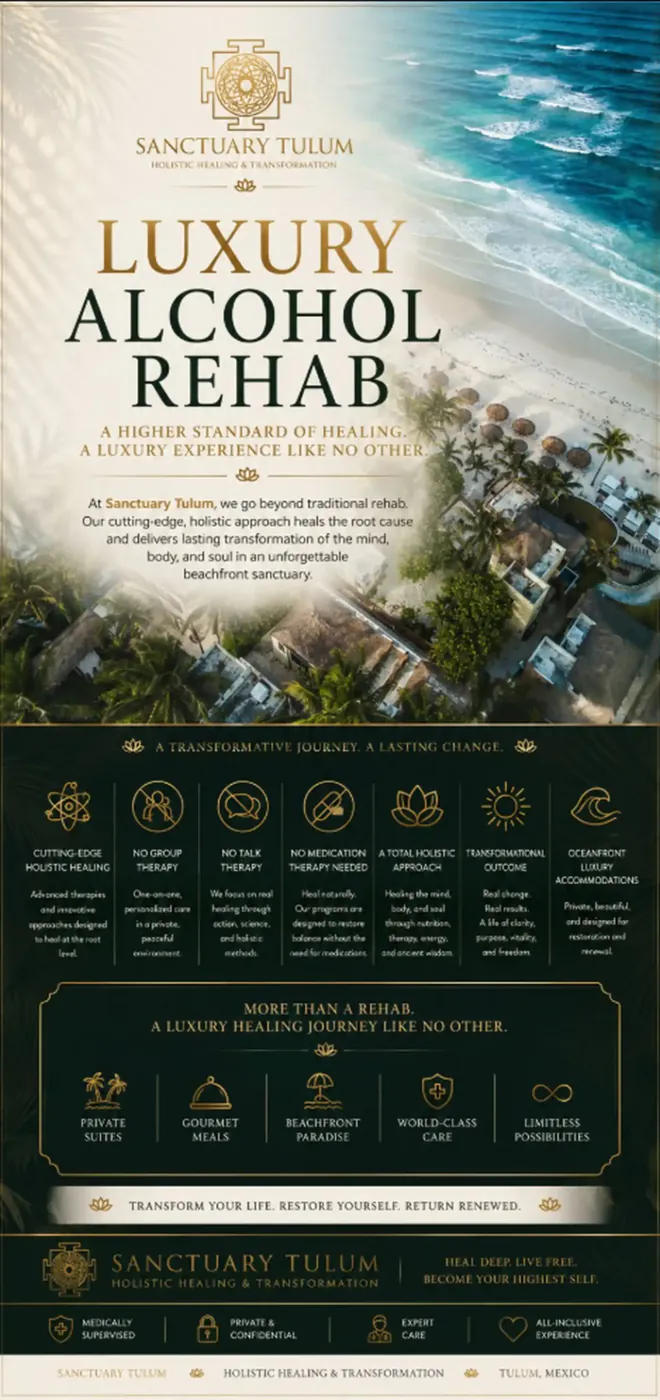
Conventional 28-day rehabs post relapse rates between 40% and 60% within the first year. Why? Because they treat addiction as a moral failing to be managed with more drugs — Suboxone, methadone, antidepressants, benzos — instead of healing the root cause. Holistic rehab reverses that model.
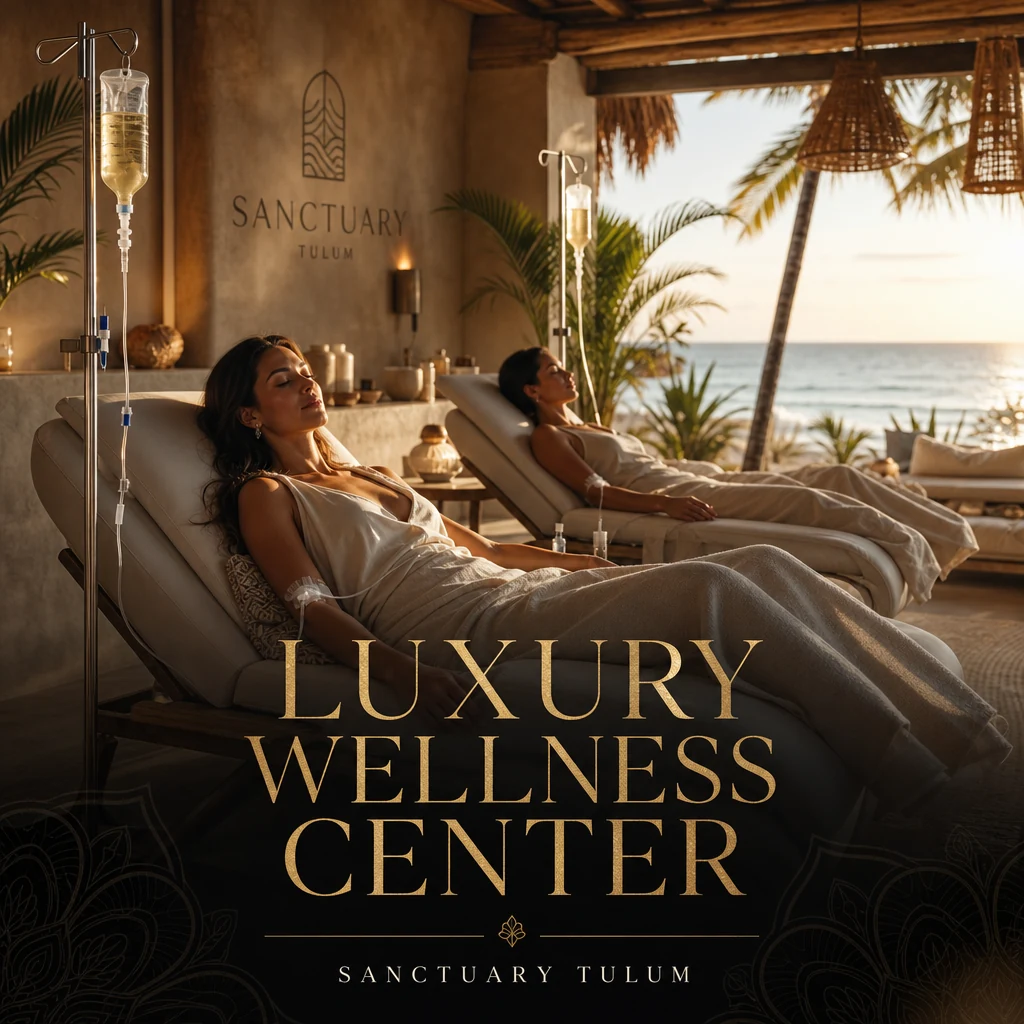
At Sanctuary Tulum, guests receive extensive one-on-one holistic therapy each week — a fully individualized care model without group sessions. This is paired with the Brain Repair IV Drip, NAD+ IV therapy, stem cell treatments, hyperbaric oxygen therapy, infrared sauna, cold plunge, and red light therapy — physically restoring the body while medically supervised sacred plant medicine ceremonies support psychological and emotional healing.
The Pouyan Method™: The Core of Our Holistic Rehab
The Pouyan Method™ is our proprietary, trademarked holistic healing system developed by our founder, Johnny Tabaie. Refined over more than a decade of clinical application with thousands of guests, it systematically:
- • Detoxifies the body at a cellular level
- • Repairs damaged neurochemistry (serotonin, dopamine, GABA, glutamate)
- • Resolves trauma stored in the subconscious
- • Activates stem cells, telomere repair, and neurogenesis
- • Rewires thought patterns and emotional triggers
- • Restores gut health, mitochondrial function, and hormone balance
The Complete Holistic Rehab Treatment Menu
Sacred Plant Medicine (Medically Supervised)
- • Ibogaine therapy program — neurological receptor reset
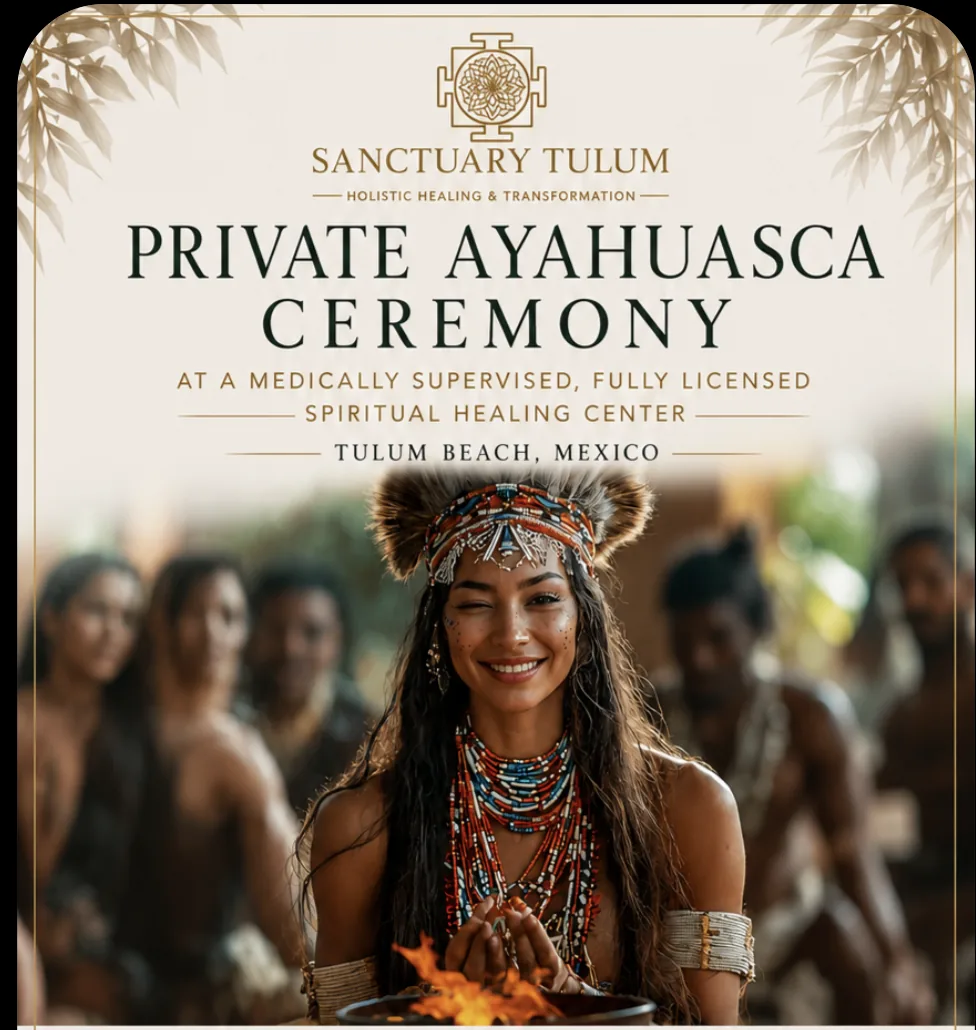
- • Medically supervised ayahuasca ceremonies — emotional purging and trauma release
- • Psilocybin therapy — neuroplasticity and depression breakthrough
- • 5-MeO-DMT ceremony program — ego dissolution and PTSD healing
Regenerative & IV Therapies
- • Stem cell therapy
- • Brain Repair IV Drip (proprietary — not NAD+ or vitamins)
- • NAD+ IV therapy
- • Amino acid, glutathione, vitamin C, and chelation IVs
- • Ozone and EBOO therapy
- • Plasmapheresis
Body-Mind Restoration
- • Hyperbaric oxygen therapy (HBOT)
- • Infrared sauna, cold plunge, red light therapy
- • Daily yoga, meditation, breathwork
- • Therapeutic massage and bodywork
- • Green coffee enemas
- • 100% organic superfood nutrition and juicing

Conditions Treated at Our Holistic Rehab
- • Alcohol addiction
- • Opioid, heroin, and fentanyl addiction
- • Benzodiazepine dependency
- • Methamphetamine, cocaine, and stimulant addiction
- • SSRI and antidepressant dependency
- • Treatment-resistant depression
- • PTSD and complex trauma
- • Anxiety, panic disorders, and burnout
- • Autoimmune conditions and chronic inflammation
Holistic Rehab Program Packages
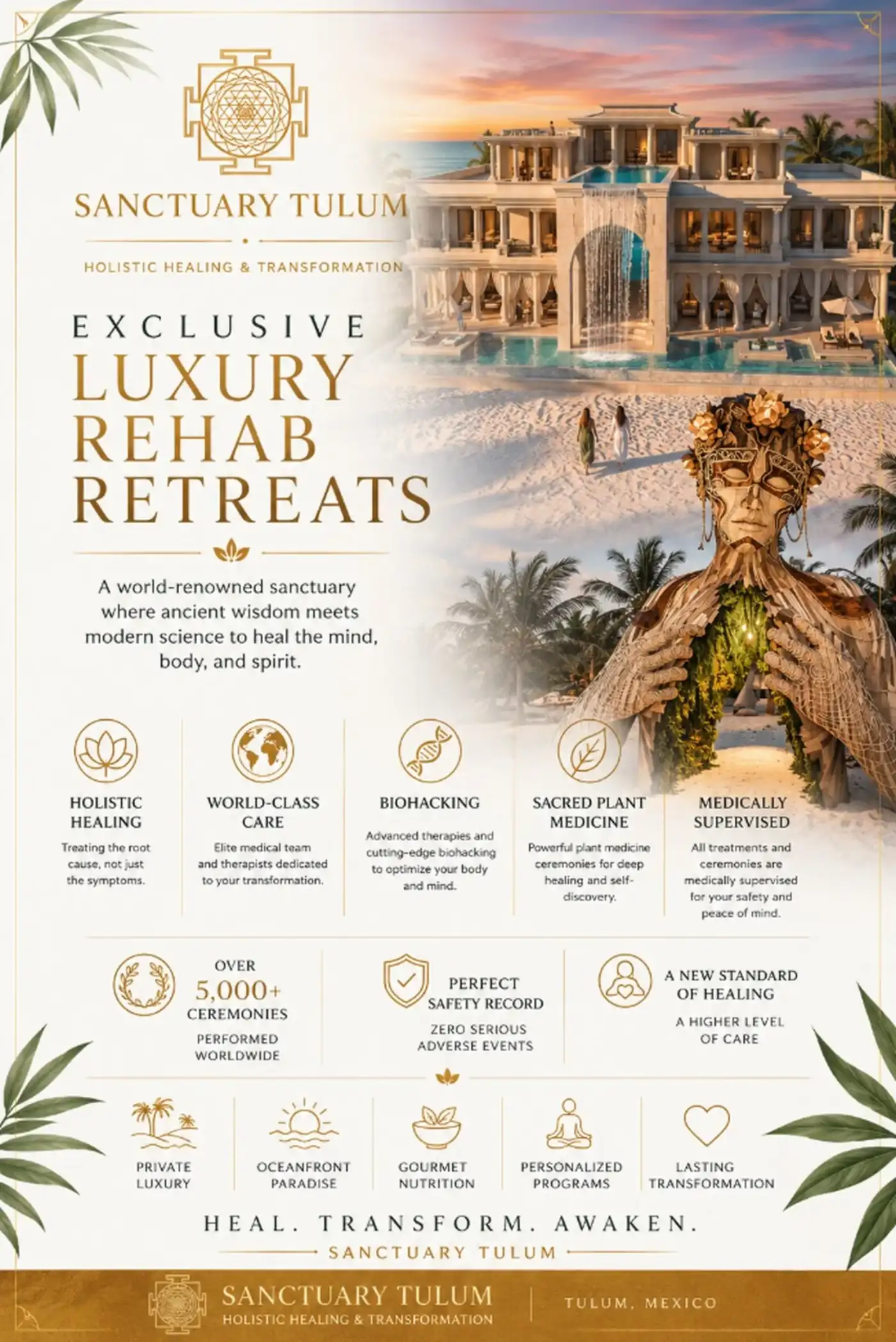
- Gold (12 weeks) — For guests seeking deep emotional, psychological, or spiritual healing with the full holistic curriculum in a luxury jungle mansion setting.
- Platinum (12 weeks) — For guests with moderate-to-severe trauma or substance dependency, delivered in a private oceanfront villa.
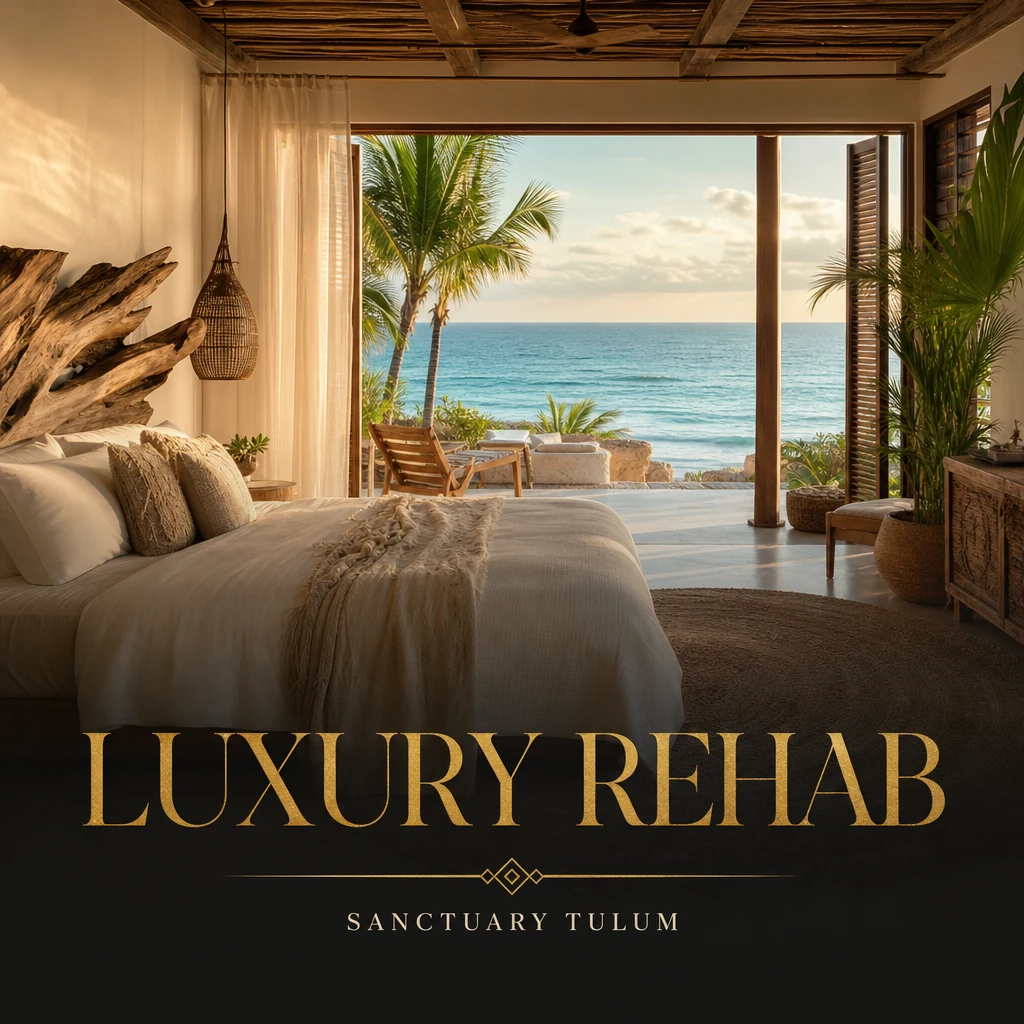
- Elite VIP (12 weeks) — For complex cases and high-privacy guests: private beach mansion, private chef, live-in coach, and full-spectrum regenerative optimization.
See our full packages and pricing.
What a Week in the Program Actually Involves
The word "holistic" has been used so loosely in the recovery industry that it has lost most of its clinical meaning. In our program it has a very specific one: every day of a guest's stay is architected around a physician-directed schedule that layers regenerative medicine, medically supervised sacred plant medicine, movement, breathwork, sauna and cold-plunge protocols, one-on-one integration, and 100% organic superfood nutrition. There are no group circles, no whiteboard talk therapy, and no medication-management appointments. Every session — every IV, every ceremony, every coaching hour — is one-on-one.
Mornings typically begin with breathwork and yoga at sunrise, followed by a diagnostic-guided IV protocol from the Brain Repair IV or NAD+ family. Midday blocks are reserved for regenerative modalities — HBOT, infrared sauna, cold plunge, red-light therapy, therapeutic massage — and afternoons are reserved for one-on-one integration coaching. Plant-medicine sessions are scheduled only after a guest has stabilized biologically, and always with physician supervision and continuous monitoring where indicated.
The Clinical Rationale for a Medication-Free Model
The conventional American model layers a substance-use disorder on top of a psychiatric-medication regimen and calls it "dual diagnosis" treatment. In practice this frequently means guests are stabilized onto Suboxone, methadone, benzodiazepines, SSRIs, antipsychotics, and sleep medications simultaneously, and are then asked to manage that pharmacologic complexity for the rest of their lives. Peer-reviewed longitudinal data — including work in JAMA Psychiatry, The Lancet Psychiatry, and the American Journal of Psychiatry — has documented meaningful risks associated with long-duration polypharmacy: metabolic dysregulation, receptor desensitization, discontinuation syndromes, and diminished response to future interventions.
Our model does not reject pharmacology in acute medical settings; it rejects lifelong pharmacologic dependence as a definition of recovery. We use IV micronutrient repletion, amino-acid precursor therapy, and mesenchymal stem cell infusions to reduce the systemic inflammation that fuels cravings, sleep disruption, and mood instability. We use medically supervised ibogaine therapy program, psilocybin therapy, ayahuasca ceremony program, and 5-MeO-DMT ceremony program to address the neurobiological and psychospiritual layers that pharmacology cannot reach. And we use nutrition, movement, and integration coaching to make the recovery durable in the environment the guest returns to.
Screening: Who the Program Fits — and Who It Does Not
Every prospective guest completes a pre-arrival medical workup: comprehensive metabolic and lipid panels, CBC, liver function tests, HbA1c where indicated, 12-lead EKG, and — for guests with cardiac risk factors — echocardiogram and cardiology consult. Current prescriptions are reviewed against interaction and contraindication lists. Guests on chronic benzodiazepines or opioids are transitioned under supervision, never forced through abrupt discontinuation. Applicants with untreated long QT syndrome, active severe hepatic encephalopathy, decompensated cardiac disease, active suicidal intent requiring inpatient psychiatric hospitalization, or medical conditions that contraindicate international travel are directed to stateside acute care before any admission is considered. This screening discipline is the reason our medically supervised safety record has held across more than a decade of continuous operation. Guests can review the underlying framework on our safety page.
Why Program Length Matches Clinical Severity
The 28-day residential window was designed around insurance reimbursement, not around neurobiology. Post-acute withdrawal syndrome (PAWS), autonomic instability, and sleep dysregulation frequently persist for weeks to months after acute detox resolves, and the majority of relapses occur inside that under-treated window. Our 12-week Gold and Platinum programs are calibrated to that biological reality; our Elite VIP program provides the longer, fully-private runway required for guests with high-dose polysubstance histories, treatment-resistant depression, complex PTSD, or long-duration medication tapers. The full clinical rationale for our program-length ladder is documented in packages and pricing.
Integration and the Post-Program Window
The single most under-taught fact of holistic recovery is that discharge is the highest-risk moment of a guest's journey. Neurochemistry is fragile, sleep architecture is still consolidating, and old environments and stressors return within days. Our program is designed to prevent that cliff. Guests leave with a written integration plan covering sleep, nutrition, movement, breathwork, red-light and sauna protocols, ongoing supplementation, and structured check-ins with the clinical team. Guests with high-visibility responsibilities frequently coordinate a phased re-entry through one-on-one integration coaching. The most durable outcomes come from guests who treat the post-program window with the same seriousness as the acute phase itself.
Related Resources
- → Holistic Rehab vs. Medication-Based Treatment
- → Holistic Alcohol Treatment Guide
- → Luxury rehab
- → Luxury Wellness Center
- → Luxury Treatment Center for Mental Health
- → Holistic Treatment Center for Mental Health
The Scientific Basis for the Non-Pharmacologic Model
The scientific literature on psychedelic-assisted therapy has moved rapidly in the past decade. Randomized controlled trials published in JAMA Psychiatry (Griffiths, Davis, Barrett et al.) have demonstrated durable reductions in depression scores following supervised psilocybin therapy for major depressive disorder. Work in Nature Medicine and The Lancet Psychiatry has documented rapid, sustained response in treatment-resistant depression. Independent observational cohorts have documented sustained interruption of craving states in opioid and polysubstance dependence following standardized ibogaine protocols. And peer-reviewed neuroimaging work has repeatedly shown that psilocybin and related agents produce lasting changes in default-mode-network connectivity — the brain network most consistently implicated in rumination, addictive cognition, and depressive relapse.
None of this positions plant medicine as a shortcut. It positions plant medicine as a neurobiologically active tool that, when embedded inside a comprehensive holistic recovery program — with medical screening, regenerative medicine, nutritional repair, and structured integration — addresses layers of the addictive and depressive process that pharmacology alone cannot reach. That is the model our program has practiced continuously since 2011.
Nutritional and Metabolic Recovery
Chronic substance use, long-duration psychiatric-medication regimens, and long-term stress all produce measurable disruptions to micronutrient status, gut microbiome composition, and mitochondrial function. Deficiencies in thiamine, folate, magnesium, zinc, and B-complex vitamins are the norm rather than the exception in guests entering the program. Our medical team screens for these deficits on admission and repletes them aggressively through IV protocols, then reinforces the repair through 100% organic superfood nutrition — bone broth, lion's mane, spirulina, moringa, colostrum — calibrated to each phase of recovery. This nutritional layer is not a luxury add-on; it is the biochemical scaffolding on top of which the neurochemical and psychospiritual work becomes durable.
Regenerative Medicine as a Core Component of Recovery
Mesenchymal stem cell therapy is not a "wellness upgrade" in our program — it is a core clinical component. Chronic substance use, long-duration psychiatric-medication regimens, and long-term inflammatory conditions all produce measurable systemic inflammation and cellular dysfunction. Peer-reviewed work has documented the role of neuroinflammation in addictive cognition, depressive symptomatology, and craving states. Ethically sourced mesenchymal stem cell infusions, administered under physician supervision, target that inflammation at its source.
Hyperbaric oxygen therapy (HBOT) at clinical pressures increases dissolved plasma oxygen and — in peer-reviewed work in Restorative Neurology and Neuroscience and related journals — has been associated with markers of neuroplasticity relevant to post-substance neurological recovery. EBOO (extracorporeal blood oxygenation and ozonation) is used selectively for guests with elevated inflammatory or infectious markers. Plasmapheresis is available for guests with heavy toxin or medication burdens. None of these modalities are deployed as a menu of add-ons — each is prescribed based on the guest's individual clinical picture.
How Long, Why That Long, and When It Is Not Long Enough
Program length is calibrated to clinical severity, not to a fixed package. The 12-week Gold program is appropriate for guests in good physical health with a defined trauma-, mood-, or substance-recovery objective. The 12-week Platinum program is calibrated for guests with moderate-to-severe trauma or substance dependency, delivered in a private oceanfront villa. The 12-week Elite VIP program is the correct clinical answer for guests with high-dose polysubstance histories, treatment-resistant depression, complex PTSD, long-duration medication tapers, or multiple co-occurring conditions requiring a fully-private mansion setting. This is documented in detail on our packages and pricing page and matched to each guest at intake.
A Note on Language: Ibogaine Is a Treatment, Not a Ceremony
The recovery industry has increasingly conflated "ibogaine ceremony" with the properly medically supervised ibogaine treatment protocol. In our program, ibogaine is administered as an extracted, isolated alkaloid inside a physician-supervised clinical protocol with pre-treatment cardiac screening (EKG, echocardiogram where indicated), continuous cardiac monitoring, and standardized dosing calibrated to each guest. Ayahuasca, 5-MeO-DMT, and psilocybin are administered as medically supervised ceremonies. This linguistic distinction reflects a clinical one — and the safety architecture in each protocol is built accordingly. Guests can review the full picture on our safest psychedelic facility page.
Frequently Asked Clinical Questions
How is a physician-supervised residential program different from an outpatient one? Outpatient models are designed around a guest returning to their home environment between sessions, which is appropriate for stable, low-severity cases but insufficient for the complex, high-severity presentations our program is built for. Residential care under continuous physician supervision allows for real-time medication adjustment, 24-hour observation during sensitive taper phases, and immediate response to autonomic instability — variables that cannot be reproduced in an outpatient setting.
What does a typical intake process look like? Intake begins with a confidential clinical consultation to establish medication history, substance-use history, medical history, prior treatment attempts, and current goals. A pre-arrival medical workup is coordinated — labs, EKG, and where indicated, echocardiogram and cardiology consult. Every current prescription is reviewed against interaction and cardiac-risk lists. When the clinical picture confirms fit, admission is scheduled; when it does not, guests are referred to a more appropriate level of care.
What is the family's role during the program? Family members are often as depleted as the guest by the time admission occurs. Our program offers structured family communication, phased re-engagement, and — where indicated — family integration sessions that address the systemic dynamics that recovery inevitably surfaces. This is coordinated through one-on-one integration coaching.
What happens after the program ends? Guests leave with a written integration plan — sleep architecture, nutrition, movement, breathwork, supplementation, environmental design, and structured clinical check-ins. Guests with high-visibility responsibilities frequently coordinate a phased re-entry through ongoing coaching. The most durable outcomes come from guests who treat the post-program window with the same seriousness as the acute phase.
How is confidentiality protected? Privacy is architected into the program at every layer — private accommodations, one-on-one clinical sessions, no group settings, and structured protocols for guests with public profiles or high-visibility responsibilities. This is a core reason the program has served executives, artists, and public figures continuously for more than a decade. The full editorial position on privacy is documented on our luxury rehab center page.
Why This Model Endures When Others Regress to Medication
The conventional recovery industry has trended in one direction over the past two decades: toward pharmacology as the default answer. Suboxone maintenance for opioids, methadone maintenance for opioids, gabapentin for benzodiazepine tapers, quetiapine at "sleep" doses, layered antidepressants for the depressive symptomatology that chronic substance use produces. Each of these interventions has a legitimate use case in acute medicine. What has been lost is the distinction between acute stabilization and long-term identity as "a person on medication." Our program was built specifically to preserve that distinction — to use pharmacology only where it is genuinely necessary, and to build the biological, neurochemical, and psychospiritual repair that allows guests to leave the program without a lifelong pharmacologic dependence.
Peer-reviewed longitudinal data — in JAMA Psychiatry, The Lancet Psychiatry, and the American Journal of Psychiatry — has documented meaningful risks associated with long-duration polypharmacy: metabolic dysregulation, receptor desensitization, discontinuation syndromes, and diminished response to future interventions. Guests who arrive already carrying a five-, seven-, or ten-medication regimen are not asked to abandon those medications abruptly. They are transitioned under physician supervision, with regenerative-medicine and integration work running in parallel to the taper, and — where the clinical picture supports it — with medically supervised plant-medicine sessions that address the underlying neurobiological drivers.
The Editorial Position: Honesty Over Marketing
This program does not promise cures, does not promise 100% success, and does not promise miracles. It promises what more than a decade of continuous operation has actually delivered: a medically supervised environment, a physician-directed clinical plan calibrated to each guest, a regenerative-medicine layer that most residential programs do not have access to, medically supervised plant-medicine protocols with a safety record built on strict screening, and a one-on-one integration architecture designed to make the recovery durable in the environment the guest returns to. That is the honest description of the program. Everything else is marketing.
Guests who want the founder's editorial voice on this position can review our letter from Johnny Tabaie and the extended author page. The medical review architecture is documented on our medical review board page and by our medical director on the meet the team page.
A Final Note on Fit
The program is not for everyone, and honesty about that is one of the reasons the safety record and outcome record have held across more than a decade. It is designed for adults who are prepared to commit to a residential, one-on-one, medication-minimized program of substantive length; who are medically appropriate for international travel and for the specific modalities the program uses; and who are seeking a durable resolution rather than a temporary symptom reprieve. Guests who fit that description have consistently found the program to be one of the most substantive interventions available in the current recovery landscape. Guests who do not are directed, honestly and without a sales conversation, to a level of care that is appropriate for their situation. That editorial position is the one that has defined the program since 2011 and will continue to define it.
Guests who arrive with clarity about what they are seeking, who are willing to engage the program fully rather than approach it as a passive intervention, and who are prepared to carry the work into the environment they return to are the guests who consistently report the most durable outcomes. That has been true from the earliest cohort we admitted in 2011 to the guests entering the program this week. The architecture works when the guest works with it, and the program is designed accordingly — with substantial one-on-one clinical time, structured integration coaching, and continuity of care across the full stay.