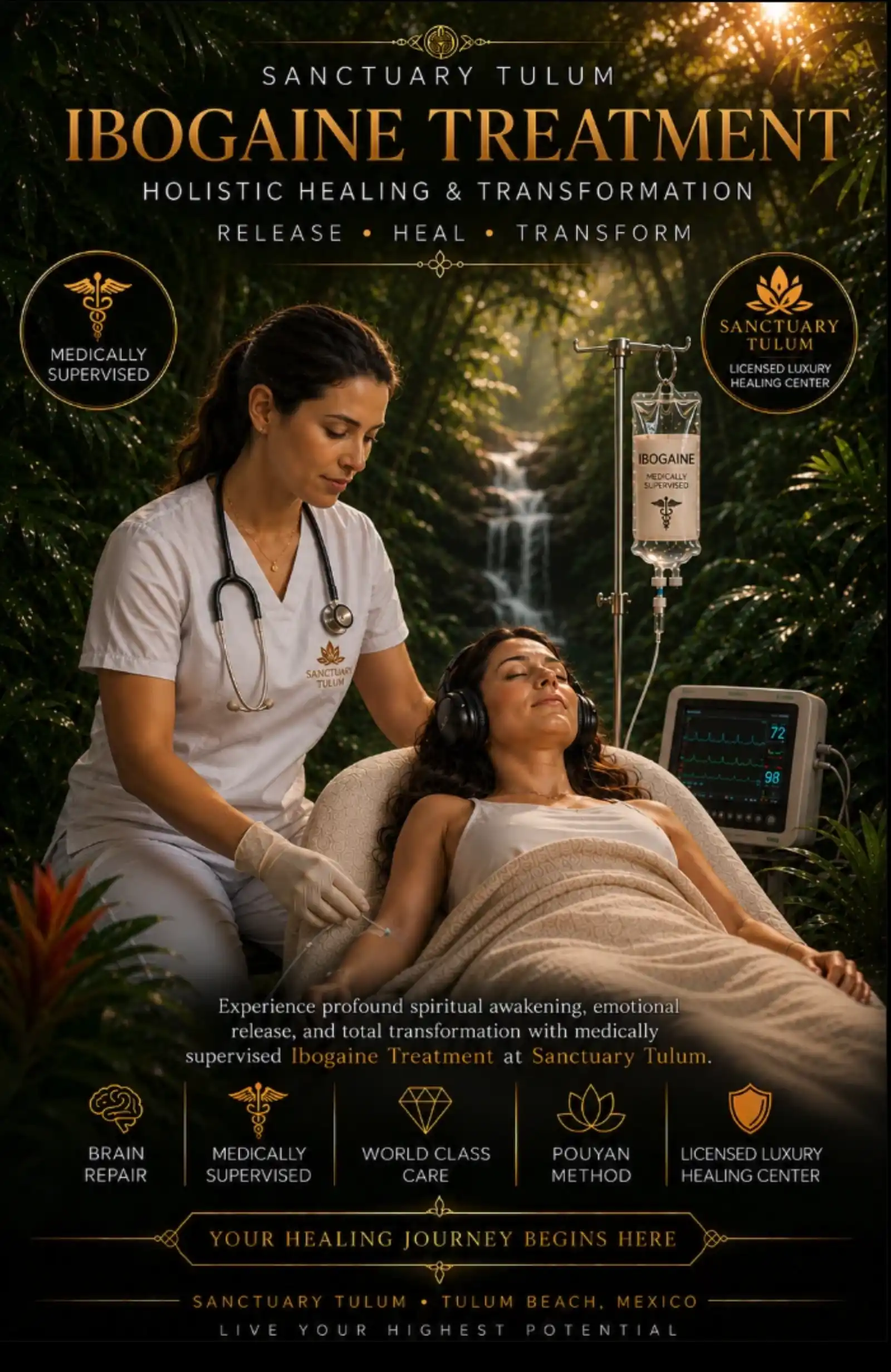
Ibogaine treatment pricing sits in a range that surprises most people the first time they see it — commonly $6,000 to $25,000 for a program. The wide spread is not arbitrary. It reflects specific, quantifiable differences in cardiac screening, physician staffing, program length, and aftercare. Understanding what actually drives cost is the difference between paying for real clinical infrastructure and paying for marketing on top of an under-resourced clinic.
Why Ibogaine Costs More Than Other Plant Medicines
Ibogaine is pharmacologically different from ayahuasca or psilocybin in a way that matters for pricing. It prolongs the cardiac QT interval, which means every dose has to be preceded by a real cardiac workup and monitored throughout the treatment window. That workup and monitoring is where a large fraction of the cost of a legitimate program lives. See our detailed piece on ibogaine cardiac safety screening for the specific protocol.
The Four Main Cost Drivers
1. Cardiac Screening Infrastructure
A safe protocol requires, at minimum, a recent 12-lead ECG with QTc measurement; an echocardiogram is required for anyone with a cardiac history, family history of arrhythmia, or QTc at the upper end of normal. Metabolic and liver panels, electrolyte assessment (particularly potassium and magnesium), and a full medication review are non-optional inputs. Continuous cardiac telemetry through the treatment window requires on-site monitoring equipment and a clinician who can interpret it in real time. Clinics that price aggressively usually cut here first — often silently — because the equipment and staffing costs are large and largely invisible to the guest.
2. Physician Staffing Level
"On-call" and "on-site" are not the same and cost dramatically different amounts to staff. A physician who is physically present during the treatment window is available in seconds if a cardiac event develops; an on-call physician is a phone call and a drive away. Emergency-medicine-level staffing costs a facility meaningfully more than a general-practitioner-on-call arrangement, and this shows up in the treatment price. Ask any clinic specifically who is present at what times and what their credentials are — vague answers here are the single most reliable red flag.
3. Program Length
A single flood-dose session is a fundamentally different clinical product from a two- to four-week program that includes pre-treatment stabilization, the ibogaine window itself, a recovery period with follow-up bloodwork, and structured integration. Longer programs cost more because they occupy staff time and beds for longer, not because they are inherently better. For someone with a long opioid history or benzodiazepine use, the longer program is often the safer clinical decision because tapering, medical stabilization, and post-treatment support meaningfully reduce relapse risk.
4. Aftercare and Integration
Ibogaine's outcome data is significantly better in programs that include structured aftercare. That aftercare — integration counseling, medical follow-up, and often adjunctive modalities like ibogaine treatment center integration or 5-MeO-DMT ceremonies in the days after ibogaine — requires staff time and space. Programs that quote a low price by removing aftercare are quoting for the acute treatment event only, not for the intervention that produces durable results. Ibogaine without integration disappoints far more often than ibogaine with integration does.

Broad Price Ranges
- Bare-clinical single session ($4,000–$8,000): One flood dose, basic ECG, limited or no on-site physician, minimal aftercare. Widely available and where most preventable adverse events occur.
- Mid-tier medical programs ($8,000–$15,000): Multi-day stay, more thorough screening, physician available on-site during dosing, some post-treatment integration.
- Licensed multi-week programs ($15,000–$30,000+): Full cardiac workup including echocardiogram when indicated, continuous telemetry, on-site physician during treatment window, adjunctive therapies, and 2–8 weeks of structured integration.
Why the Cheap End Is Where the Risk Lives
Ibogaine has real cardiac risk. Fatalities documented in the peer-reviewed literature cluster in unsupervised or minimally supervised settings — hotel rooms, private homes, clinics without telemetry, or facilities that skipped ECG. The medicine itself is not what makes ibogaine dangerous; the absence of cardiac screening and monitoring is.1 See the mechanism of action deep-dive for the pharmacology behind the cardiac effect. Choosing a lower-cost provider means, in practice, accepting a higher probability of an event that a well-staffed clinic would have caught earlier.
Cost vs. Alternatives
For families weighing ibogaine cost against repeated conventional treatment, the arithmetic is worth doing honestly. A single 30-day stay at a US residential treatment center commonly costs $30,000–$80,000. Multiple stays over years of relapse frequently exceed six figures in total. Ibogaine is not a guaranteed intervention and is not appropriate for everyone — but for the subset of people it is clinically appropriate for, a single well-run program often costs less than one conventional cycle of relapse and retreatment. The peer-reviewed ibogaine opioid addiction research2 is the honest place to calibrate expectations before making that comparison.
What to Ask Before You Book
Ask specifically: What is the ECG and echocardiogram protocol? Who reviews the ECG and what QTc threshold do you use to exclude candidates? Is a physician physically present during the treatment window, and what are their credentials? What continuous monitoring is used? What is the emergency plan and the nearest hospital transfer time? What is included in aftercare and for how long? Any facility unwilling or unable to answer those in writing is one to avoid regardless of price. Our overview of a safe psychedelic facility covers the broader checklist.

Sanctuary Tulum's Approach
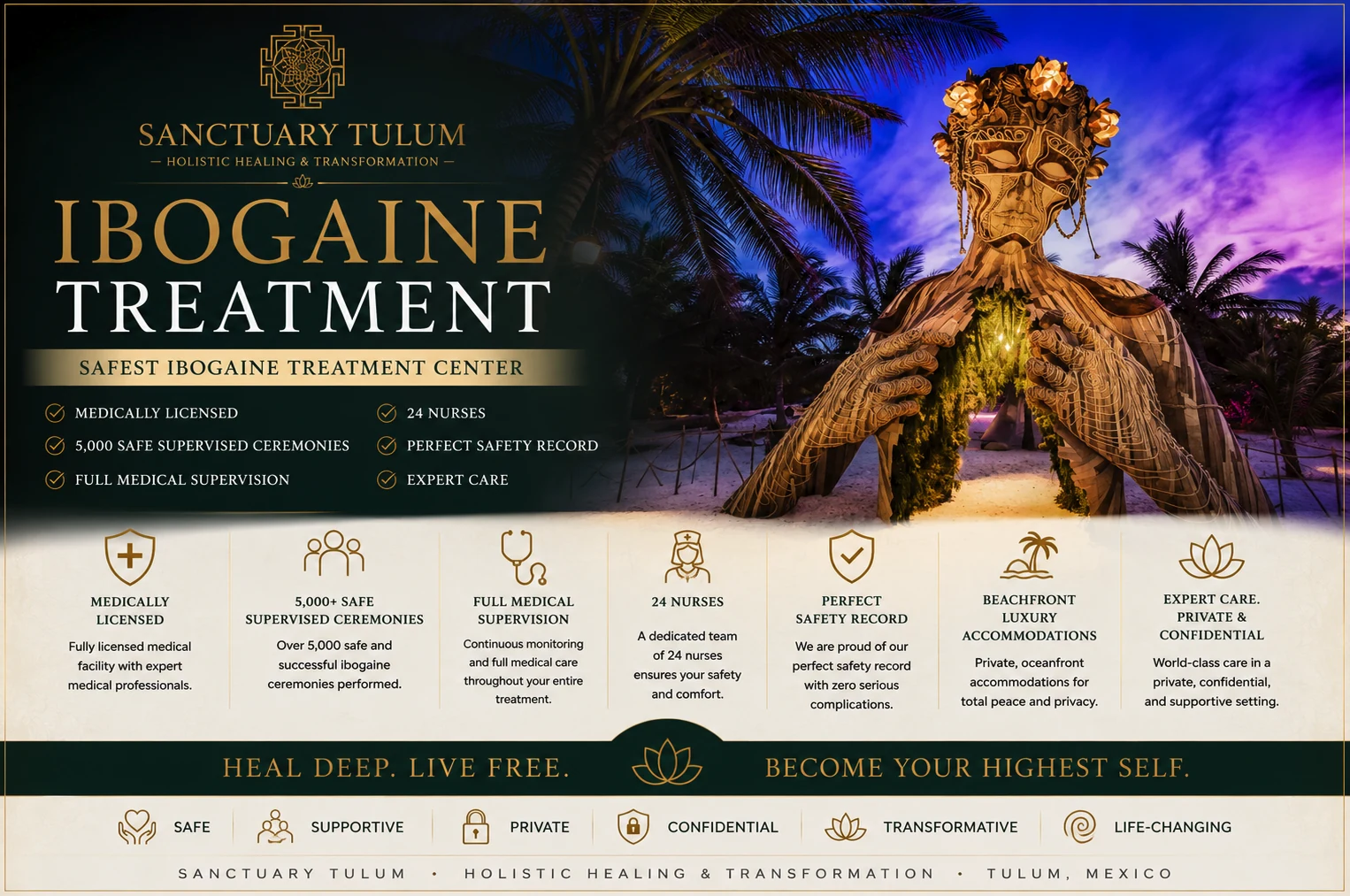
Sanctuary Tulum operates under a federal health license as a hospital and clinic. Ibogaine programs include pre-arrival ECG (with echocardiogram when indicated), on-site physician supervision throughout the treatment window, continuous cardiac telemetry, and multi-week integration.3 Pricing reflects those inputs. The full ibogaine treatment program page details what each package includes.
Ibogaine Treatment Cost in Mexico vs. Other Jurisdictions
Mexico is one of the few jurisdictions where ibogaine treatment can be legally administered in a licensed clinical setting, which is why the majority of high-volume, medically supervised ibogaine programs operate there. Costs in Mexico typically undercut equivalent programs in Costa Rica, Portugal, and New Zealand by 20–40% — not because clinical standards are lower, but because operational overhead (staffing, real estate, imports) is meaningfully lower. The pricing gap between a Mexican licensed facility and a Mexican unlicensed clinic is far wider than the pricing gap between comparable licensed facilities across countries. For a US or Canadian family evaluating ibogaine treatment in Mexico, the honest comparison is not Mexico vs. elsewhere — it is licensed medical infrastructure vs. unlicensed retreat, in whichever jurisdiction you are considering. See our ibogaine clinics in Mexico guide for jurisdiction-specific licensing details.
Bottom Line
Ibogaine treatment cost is not a marketing number — it is a proxy for cardiac screening depth, physician staffing hours, program length, and aftercare bandwidth. Normalize what is actually included, ask specifically about the cardiac protocol, and evaluate on clinical infrastructure rather than website design. The savings from a cheap provider are real; the medical risk they represent is also real. For the complete clinical overview, see our ibogaine therapy program page.
References
- Alper, K. R., Stajić, M., & Gill, J. R. (2012). Fatalities temporally associated with the ingestion of ibogaine. Journal of Forensic Sciences, 57(2), 398–412. PubMed 22268458
- Brown, T. K., & Alper, K. (2018). Treatment of opioid use disorder with ibogaine: detoxification and drug use outcomes. American Journal of Drug and Alcohol Abuse, 44(1), 24–36. PubMed 28643969
- Mash, D. C., Duque, L., Page, B., & Allen-Ferdinand, K. (2018). Ibogaine detoxification transitions opioid and cocaine abusers between dependence and abstinence. Frontiers in Pharmacology, 9, 529. PubMed 29922156