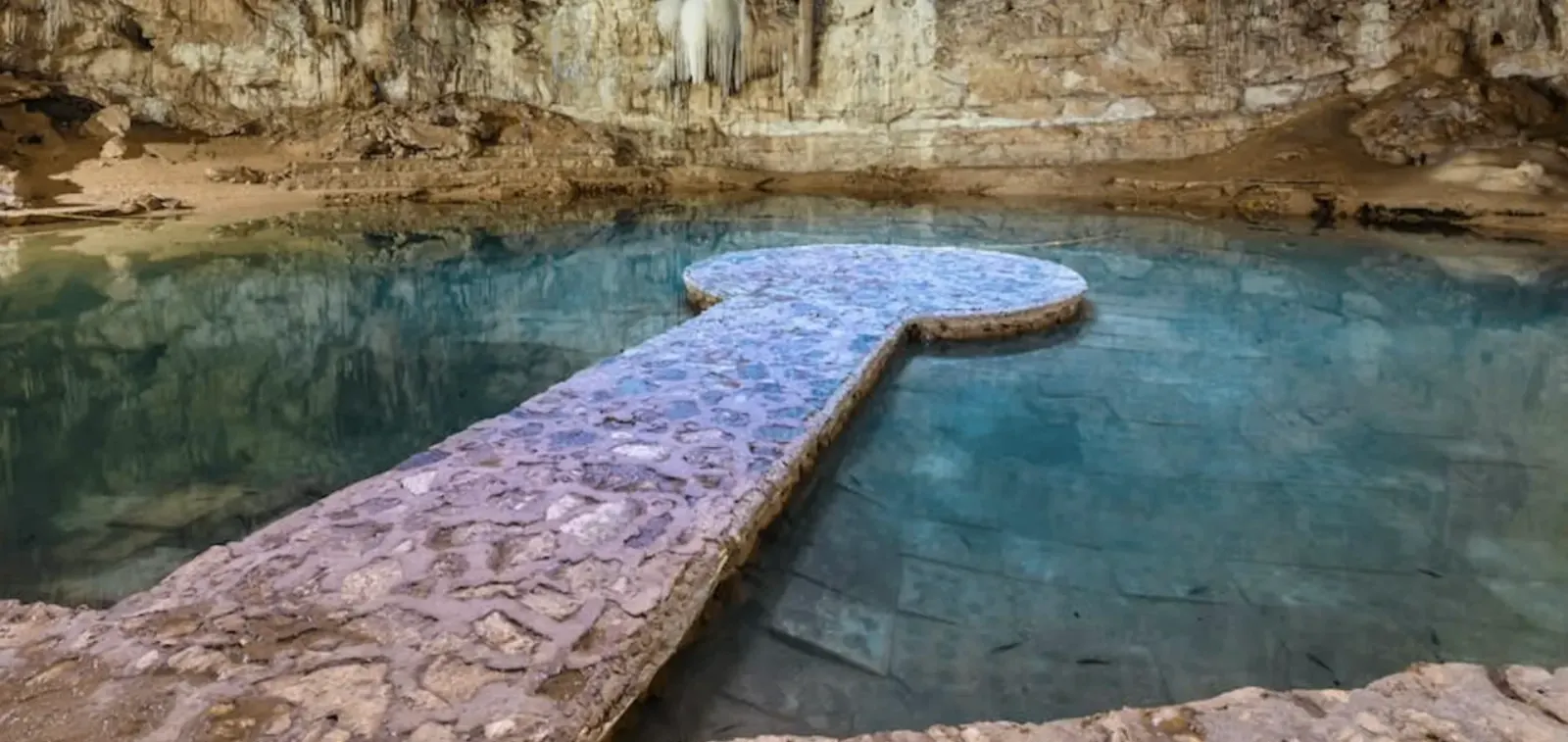
The Science of Cold-Water Immersion
Cold-water immersion is one of the most studied hydrotherapy modalities. A landmark study by Šrámek and colleagues published in the European Journal of Applied Physiology showed that head-out immersion at 14°C produced a threefold rise in plasma noradrenaline and a marked increase in dopamine, along with meaningful changes in metabolic rate — the physiological signature that drives its reported effects on mood and alertness.
More recent systematic reviews of cold-water immersion in athletic populations show consistent short-term benefits for perceived recovery, muscle soreness, and inflammation markers after strenuous activity, while emphasizing that dose, duration, and temperature all matter. At Sanctuary Tulum, cold plunge sits inside the Pouyan Method™ as a supporting hydrotherapy tool rather than a stand-alone treatment.
What Guests Experience
- • A measured rise in norepinephrine and dopamine that supports focus and mood
- • Reduced perceived muscle soreness and post-exertion inflammation
- • Improved vagal tone and heart-rate variability with regular practice
- • A structured stress-exposure practice that supports emotional regulation
- • Better subjective sleep quality when paired with breathwork and meditation
- • Enhanced peripheral circulation and thermogenic response
How Cold Plunge Supports Recovery
Many guests arriving at Sanctuary Tulum have spent years in a chronically activated stress state. A brief, controlled cold exposure — followed by warm re-heating, breathwork, and rest — becomes a rehearsal in returning to a regulated baseline. Combined with NAD+ IV therapy, hyperbaric oxygen therapy, meditation, and yoga, cold plunge becomes one piece of an integrated nervous-system restoration protocol.
Every session is preceded by medical screening and supervised by trained staff. Guests with cardiovascular contraindications receive alternative hydrotherapy options rather than cold immersion.
What a Cold Plunge Session Actually Looks Like
A typical Sanctuary Tulum cold plunge session begins with a brief physiological check — resting heart rate, blood pressure, and a short conversation about how the guest slept, what medications they took that morning, and whether any prior sessions produced light-headedness or unusual chest sensations. Guests are never encouraged to "push through" discomfort; the practice is deliberately built around a controlled dose, not a challenge.
The immersion itself is short — most guests spend two to three minutes in the water during their first week and gradually extend as tolerance builds. Breathwork is the anchor: a slow, extended exhale on entry, then relaxed nasal breathing through the plateau. The goal is a controlled sympathetic response, not a stress reaction. Guests who begin to shiver aggressively, feel numb, or lose steady breathing are helped out immediately and warmed gradually with towels and a warm beverage rather than a hot shower, which can trigger sharp vascular rebound.
Building a Practice, Not Chasing an Intensity
One of the mistakes commonly made outside a supervised setting is treating cold plunge as a bravado exercise — colder water, longer times, harder breathing. That approach conflates stress exposure with training. Guests at Sanctuary Tulum are coached toward the opposite: a consistent, well-tolerated dose that they can carry into their life at home. A five-minute cold shower, three or four times per week, produces most of the durable benefit the research points to.
That transferable-skill emphasis is why cold plunge is grouped with our other daily practices — meditation, breathwork, yoga, and structured sleep — rather than treated as a stand-alone intervention. It becomes part of a routine that continues after the guest leaves the beach, and that continuity is what the outcome data actually reward.
Related Resources
References
- 1. Šrámek P, Šimečková M, Janský L, et al. Human physiological responses to immersion into water of different temperatures. Eur J Appl Physiol. 2000;81(5):436-442.
- 2. Espeland D, de Weerd L, Mercer JB. Health effects of voluntary exposure to cold water — a continuing subject of debate. Int J Circumpolar Health. 2022;81(1):2111789.
- 3. Machado AF, Ferreira PH, Micheletti JK, et al. Can water temperature and immersion time influence the effect of cold water immersion on muscle soreness? Sports Med. 2016;46(4):503-514.