
Anyone researching ibogaine and heart safety quickly encounters the same phrase: QT prolongation. The concern is real, well-documented in the pharmacology literature, and the reason ibogaine can never be a casual, take-home therapy. It is also the reason a properly-screened, medically-monitored ibogaine program has a very different safety profile than an unstructured underground ceremony.
What Ibogaine Actually Does to Cardiac Repolarization
Ibogaine and its primary metabolite noribogaine bind to the hERG (KCNH2) potassium channel, which is responsible for the rapid delayed-rectifier current (IKr) that helps repolarize the ventricular myocyte. Blockade of hERG prolongs the QT interval on surface EKG. In vulnerable individuals — those with pre-existing long QT, hypokalemia, hypomagnesemia, structural heart disease, or concurrent QT-prolonging medications — a sufficiently prolonged QT can precipitate torsades de pointes, a polymorphic ventricular tachycardia. This is the mechanism behind essentially every published ibogaine fatality (Alper et al., 2012; Koenig & Hilber, 2015).
Why Screening Changes the Risk Profile
The published case series of adverse events overwhelmingly share the same features: no pre-treatment EKG, unmeasured electrolytes, undisclosed concurrent medications, and no cardiac monitoring during the treatment window. A responsible program removes each of those variables. Pre-treatment 12-lead EKG with QTc measurement identifies baseline long QT. Electrolyte panels correct hypokalemia and hypomagnesemia before dosing. A detailed medication reconciliation eliminates concurrent QT-prolongers (many antibiotics, antidepressants, antipsychotics, methadone itself). Continuous telemetry throughout the treatment window allows immediate response to any repolarization abnormality.
The Sanctuary Tulum Cardiac Protocol
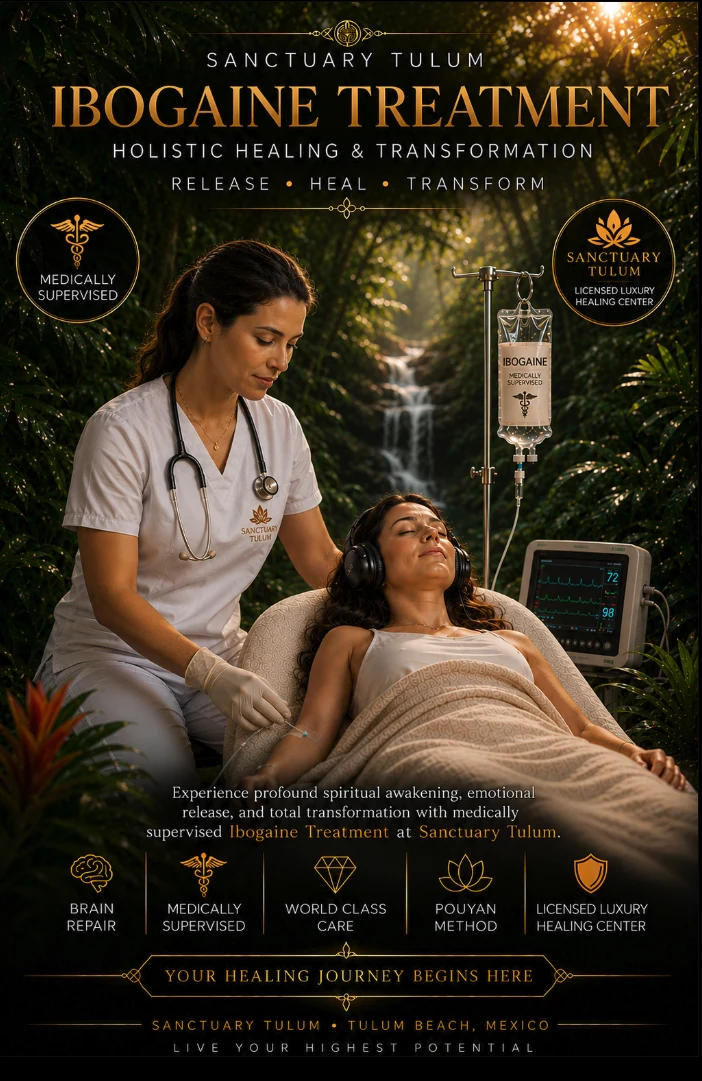
Every guest cleared for ibogaine work at Sanctuary Tulum completes a pre-treatment workup that includes: baseline 12-lead EKG, echocardiogram when indicated, complete metabolic panel with magnesium and phosphorus, liver function testing, urine toxicology, and full medication reconciliation. Correctable electrolyte abnormalities are corrected before dosing. Guests remain on continuous cardiac telemetry throughout the treatment window with immediate access to advanced cardiac life support and a physician on site. Guests with baseline QTc above accepted safety thresholds, active structural heart disease, or uncorrectable electrolyte issues are not cleared — those are hard clinical stops, not preferences. See our safety record and screening standards.
What the Long-Term Cardiac Data Shows for Screened Patients
The largest published observational series of properly-screened ibogaine detoxification (Mash et al., 2018) reported no fatalities across their treated cohort. The Brown & Alper (2018) outcomes paper, which followed 88 patients through ibogaine treatment for opioid dependence, likewise reported no cardiac deaths. This is the practical difference: ibogaine is a real cardiac liability in the absence of screening, and a manageable one in a program designed around it. See the detailed cardiac screening walkthrough.
Questions to Ask Any Ibogaine Program
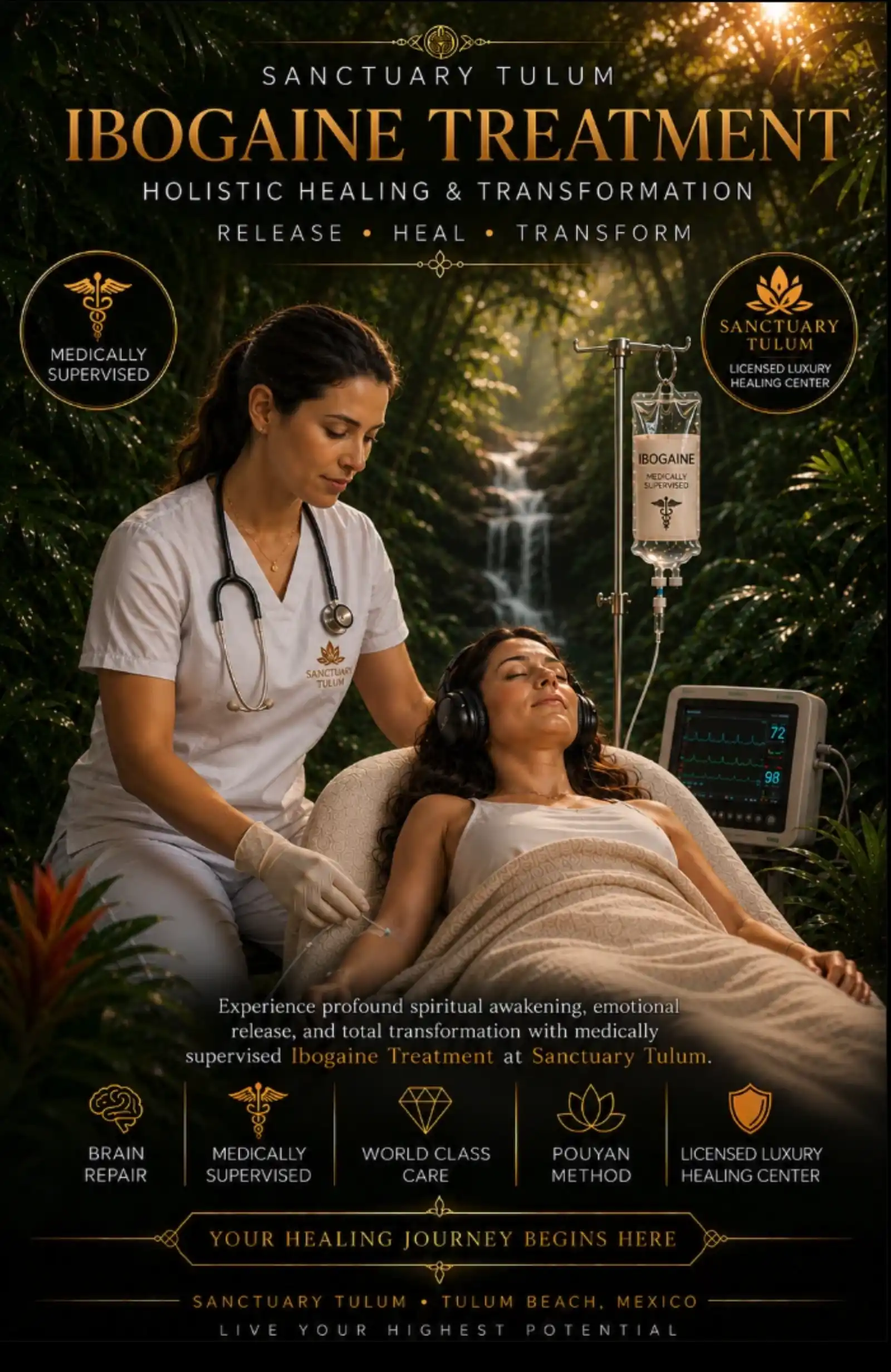
If you or a loved one is evaluating an ibogaine program, the specific questions to ask are concrete: Do you require a pre-treatment 12-lead EKG and measured QTc? Do you check magnesium and potassium and correct them before dosing? Is there continuous cardiac monitoring during the treatment window? Is there an on-site physician trained in advanced cardiac life support? What is the program's disclosed adverse event history? Any program that hedges on those questions is not a program you should trust with this molecule. Explore our ibogaine treatment program and fentanyl detox protocol.
References
- Alper KR, et al. "Fatalities temporally associated with the ingestion of ibogaine." J Forensic Sci. 2012;57(2):398-412.
- Koenig X, Hilber K. "The anti-addiction drug ibogaine and the heart: a delicate relation." Molecules. 2015;20(2):2208-2228.
- Mash DC, et al. "Ibogaine detoxification transitions opioid and cocaine abusers between dependence and abstinence." Front Pharmacol. 2018;9:529.
For the full program overview, read about our ibogaine treatment program.