Benzodiazepines — including diazepam (Valium), alprazolam (Xanax), and clonazepam (Klonopin) — are among the most widely prescribed psychoactive medications in the United States. They are also among the most misunderstood. In September 2020, the U.S. Food and Drug Administration announced that it was requiring an updated Boxed Warning across the entire benzodiazepine class to reflect the serious risks of abuse, misuse, addiction, physical dependence, and withdrawal reactions — risks the agency concluded existed even when the drugs were taken as prescribed.
This page summarizes what the current research and federal guidance say about those risks. It does not offer medical advice. It is intended as an educational reference for patients, families, and clinicians researching benzodiazepine safety, dependence, and safe discontinuation.
Class-Wide Boxed Warning: What the FDA Said
The FDA's 2020 safety communication is the most consequential recent regulatory action on this drug class. The agency reviewed post-marketing surveillance and concluded that benzodiazepines carry meaningful risks even at therapeutic doses and over relatively short courses of treatment. The updated labeling specifically names dependence and withdrawal as risks that can occur without misuse.
The CDC's 2022 Clinical Practice Guideline for Prescribing Opioids reinforces this by explicitly discouraging the co-prescription of benzodiazepines with opioids, citing substantially increased overdose mortality. NIDA's overdose death data has consistently shown benzodiazepines — alprazolam in particular — implicated in a large share of polysubstance overdose deaths.
Physical Dependence at Therapeutic Doses
One of the most persistent clinical misconceptions is that dependence only occurs at high doses or with recreational use. The peer-reviewed record contradicts this. Rickels and colleagues (PubMed 1969262) documented dependence and rebound anxiety in patients taking prescribed therapeutic doses for as little as a few weeks. Professor C. Heather Ashton's widely cited work (PubMed 1675688) described a full protracted withdrawal syndrome in a substantial subset of long-term users.

Protracted Withdrawal and "Titration Syndrome"
Acute benzodiazepine withdrawal typically resolves over days to weeks. What the literature calls the protracted or post-acute withdrawal phase can extend for many months or, in some patients, years. Symptoms documented in SAMHSA's TIP 45 detoxification guidelines include persistent anxiety, insomnia, sensory hypersensitivity, cognitive fog, autonomic instability, and, less commonly, seizures during dose changes.
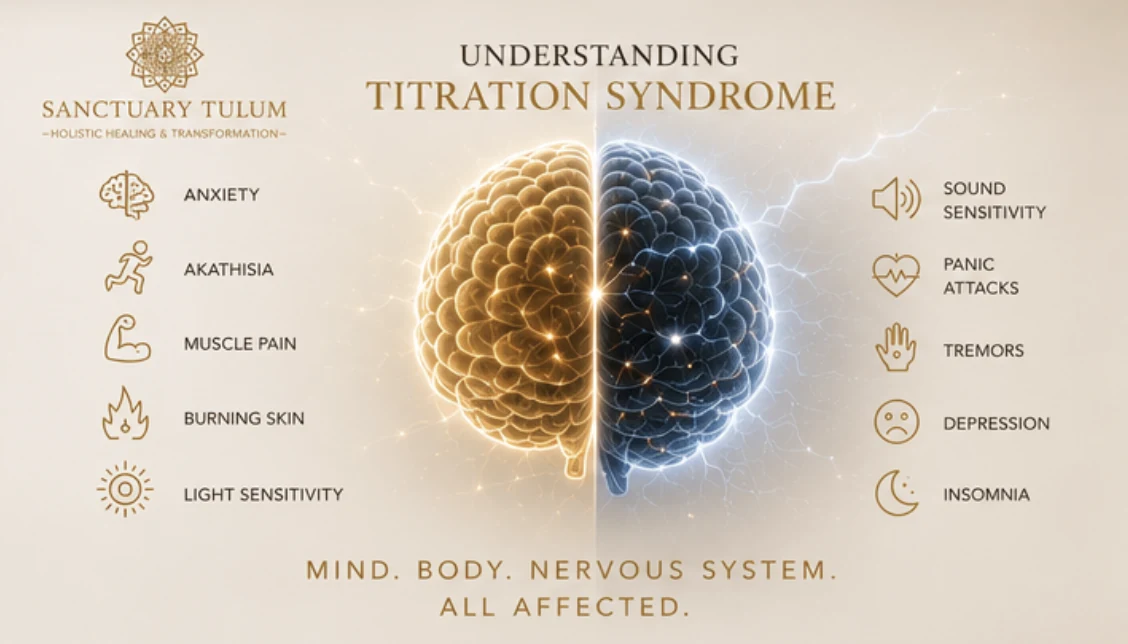
Long-term users often describe a related phenomenon clinicians call inter-dose withdrawal or "titration syndrome": symptoms that emerge between scheduled doses as receptor sensitivity fluctuates. It is one of several reasons published tapering protocols — including the Ashton Manual — recommend very slow, often multi-month dose reductions rather than aggressive cuts.

Why Rapid or "Cold-Turkey" Discontinuation Is Dangerous
Benzodiazepines and alcohol are the two substance classes where abrupt cessation can be directly fatal. SAMHSA, the American Society of Addiction Medicine, and virtually every clinical guideline on the subject warn against rapid discontinuation, citing risks of grand mal seizures, delirium, and psychosis. This is why any published protocol for stopping benzodiazepines specifies a gradual, physician-supervised taper — not a fixed short window.