Sanctuary Tulum

    About Us

    Fifteen Years of Doing This the Hard Way — On Purpose

    A licensed, physician-supervised healing center on the coast of Mexico, built around one commitment almost nobody in this industry is willing to carry: three to five people in the building at a time, every session one-on-one, for as long as the work honestly takes.

    Written by Johnny Tabaie, Founder & Director of Operations · Medically reviewed by Dr. Jose A. Jimenez, MD, Medical Director

    Rewritten 29 August 2026 · Medically reviewed and approved 29 August 2026

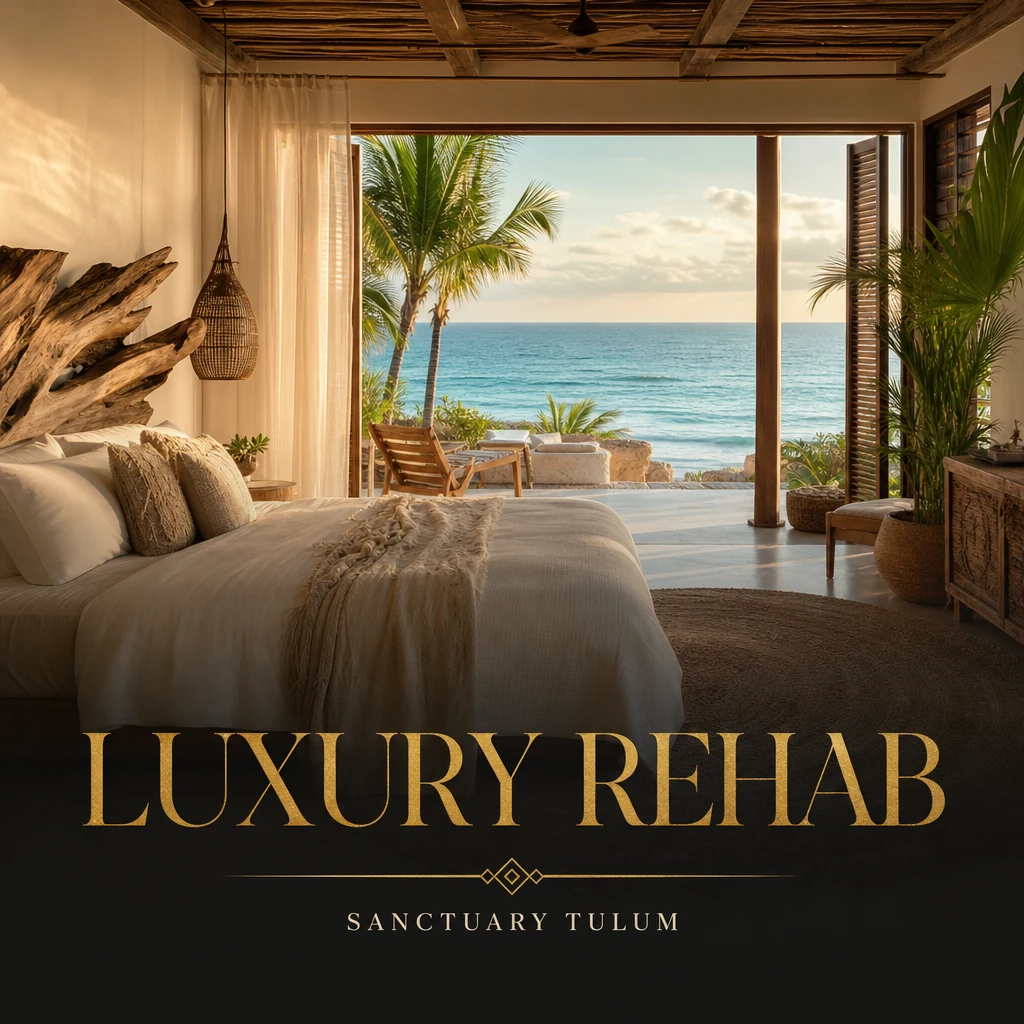
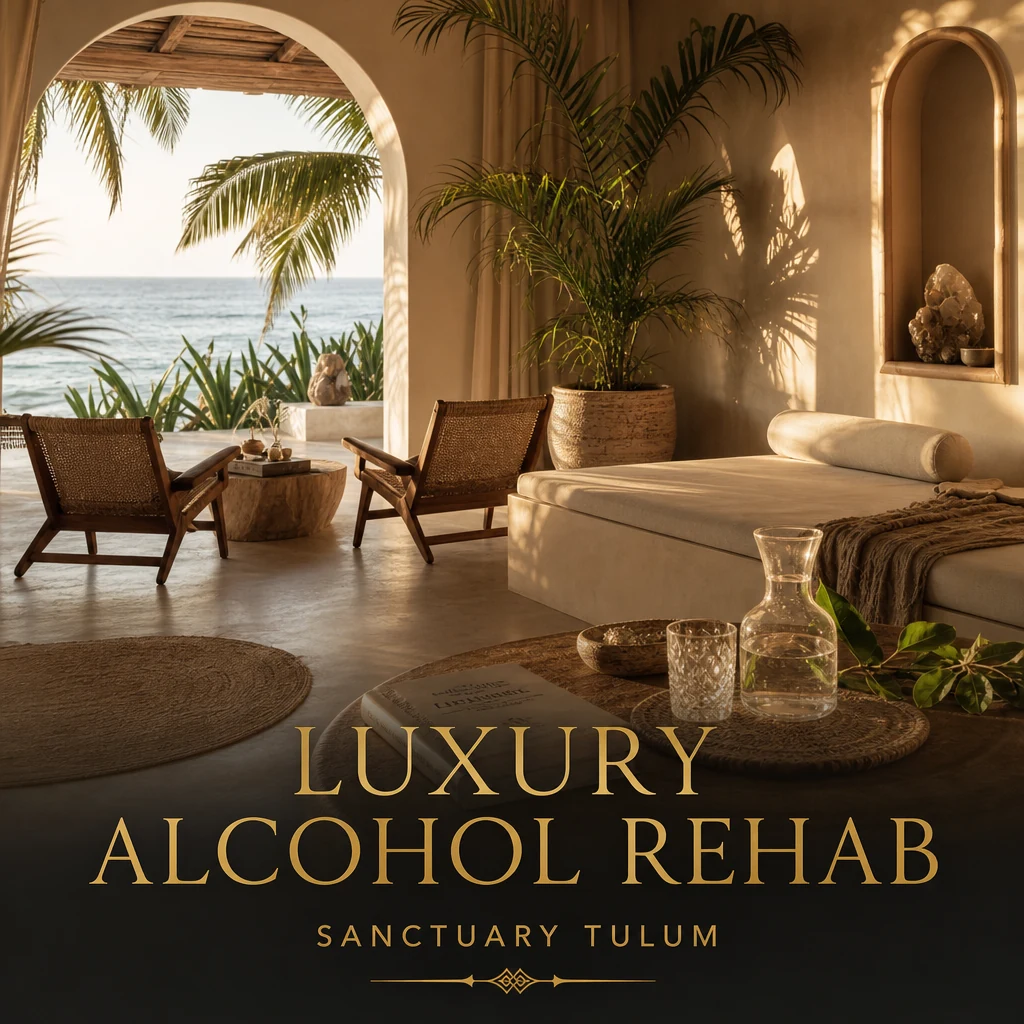
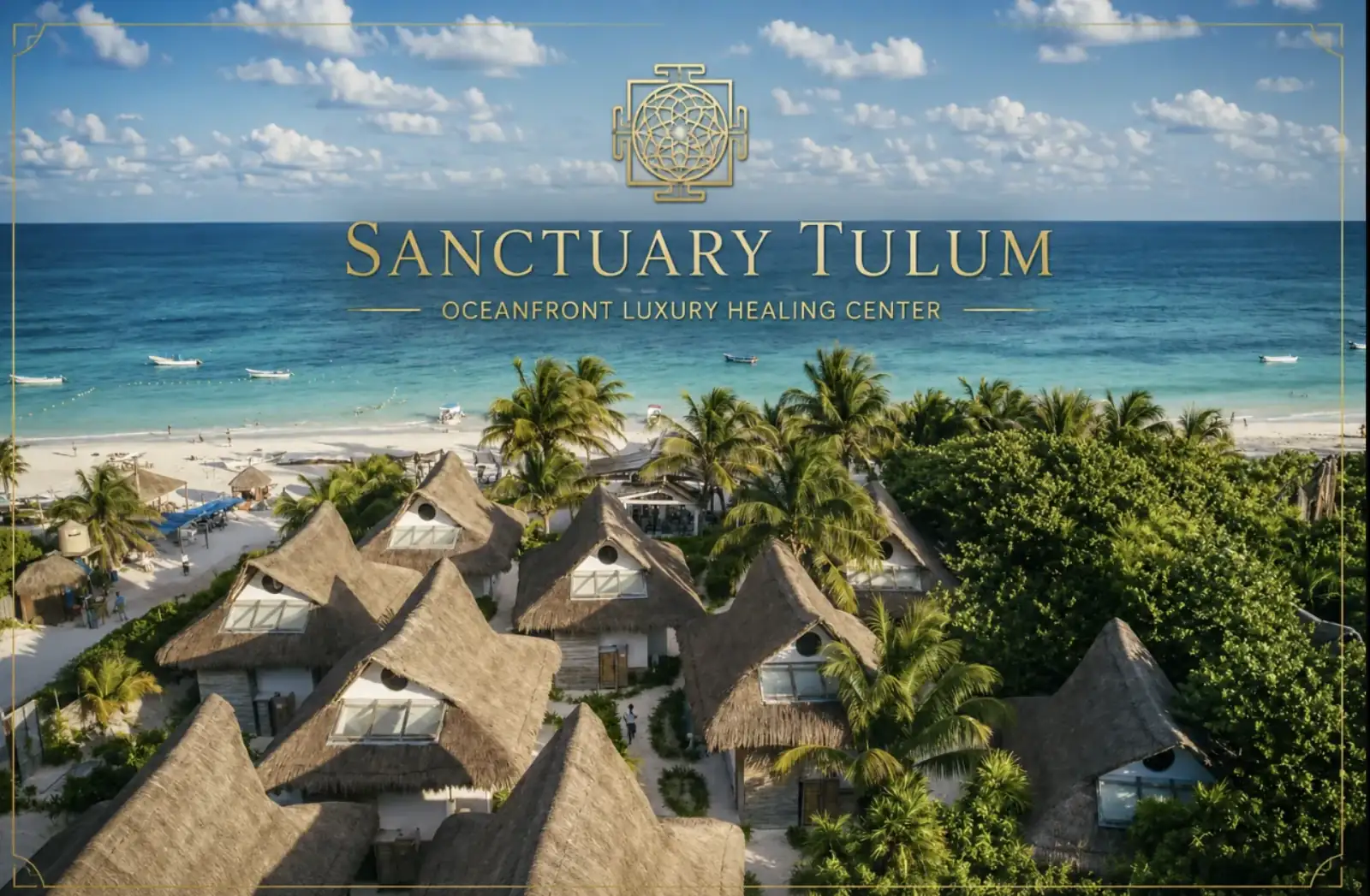
    Sanctuary Tulum oceanfront luxury healing center in Mexico — licensed, physician-supervised facility

    The facility has operated as a licensed, physician-supervised center since 2011.

    The reason this exists

    We did not enter this field to compete with treatment centers. We entered it because the conventional model — a circle of chairs, a shared curriculum, a prescription pad, and a discharge date set by an insurance cycle — failed someone we loved, and then kept failing the people who arrived here after it.

    So we spent fifteen years building the alternative in the open, on our own funding, on our own clients' timelines, and we refused every shortcut that would have made it cheaper. No groups. No twelve steps. No talk therapy as the spine of a program. No moving a person off one prescription and onto another and calling that recovery. And no three-day, five-day, seven-day ceremony weekend, which is the fastest-growing product in this industry and the least honest one.

    What grew out of that refusal is a system, not a service — biological repair, nervous-system restoration, nutrition, oxygen, light, bodywork, and medically supervised sacred plant medicine, sequenced in an order the body can actually use. The work is physical before it is ever mystical. It is measured before it is ever profound. And the profound part, when it arrives, arrives because the groundwork was laid for weeks beforehand.

    What this place actually is

    Sanctuary Tulum is a licensed healing center in Mexico, physician-supervised and operating continuously since 2011. Dr. Jose A. Jimenez, MD, our Medical Director, medically clears every client before treatment begins and approves the protocol they are placed on. That sentence is deliberately unexciting, and it is the most important sentence on this page.

    The plant-medicine field is crowded with operations that are none of those things: unlicensed retreats in jungles and rented villas, weekend ceremonies with no physician present, no cardiac screening, and no way to intervene when something goes wrong. We built the inverse of that on purpose, and we have run it that way for fifteen years.

    Programs here run four to twelve weeks. We have never run a five-to-seven-day detox and we never will. A week is long enough to move somebody through acute withdrawal and send them home fragile. It is not long enough to change anything. We also fund an annual scholarship for students pursuing degrees in health-related fields, because the next generation of this work has to be better trained than ours was.

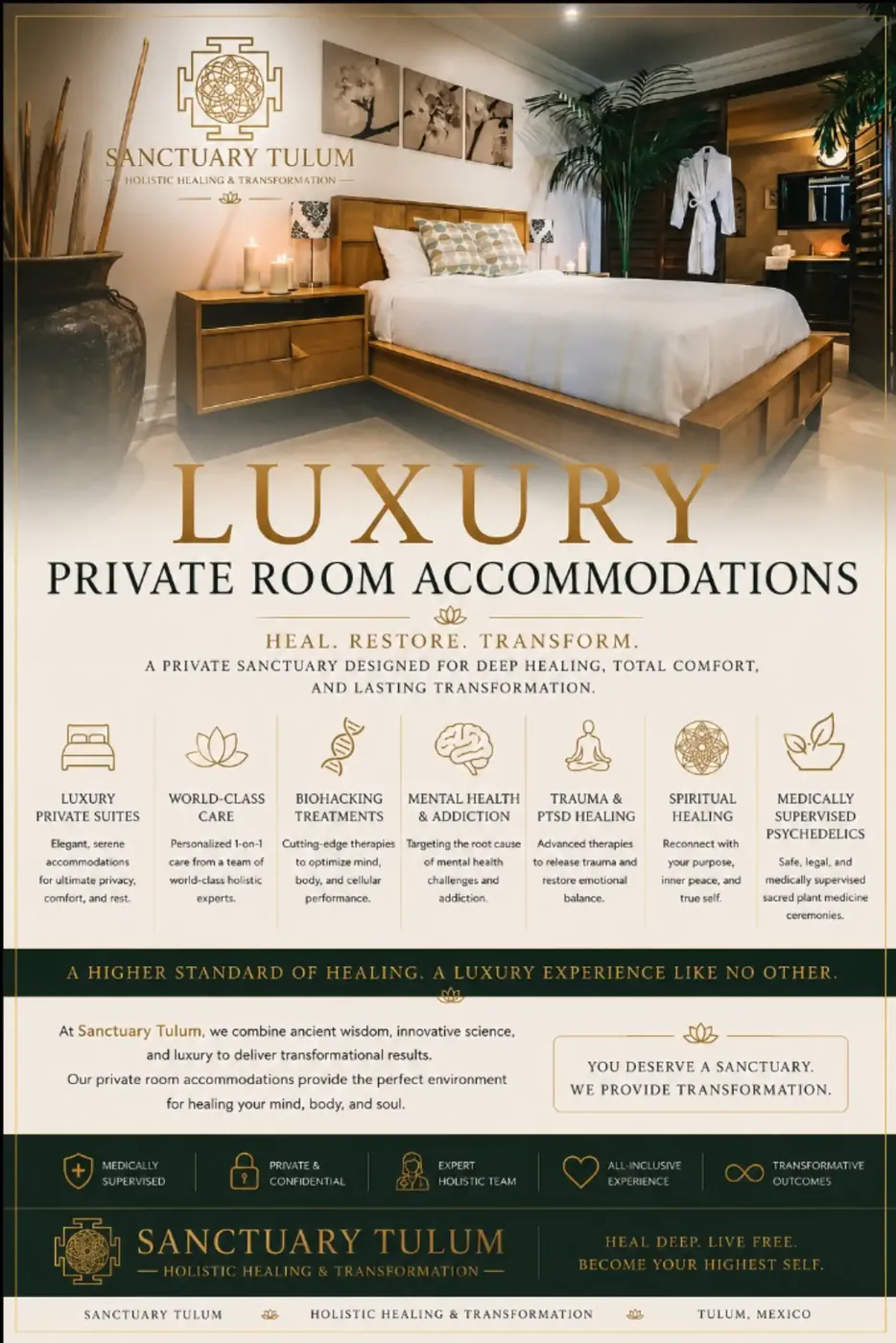
    Private oceanfront room and private bathroom at Sanctuary Tulum, used for one-on-one sessions
    Private room, private bathroom, four to twelve weeks.

    The Standard We Refused to Lower

    Fifteen years is long enough for nearly every operator in this field to quietly loosen something. Put two more beds in the building. Trim the stay from six weeks to two. Add a group session, because group staffing costs a fraction of one-to-one staffing. The entire premise of this facility is that we did not.

    Each of the following is a cost we chose to carry, not a feature invented for a brochure:

    Three to five clients, never more. The facility is 10,000 square feet and holds a maximum of three to five clients at any one time on the Gold Package. The Platinum Package takes the building down to a single client. On either one, every ceremony and every therapy session is delivered one-on-one.

    No groups, no twelve-step, no talk therapy as the spine. Those models help some people in some settings. They are not what we do, and widening our market by pretending otherwise would make us indistinguishable from everyone else.

    Medication-free as the destination. We do not substitute one prescription for another and present it as an outcome.

    In-house, medically supervised tapers. When someone arrives on benzodiazepines, opioids, or psychiatric medication, the taper happens here, under medical supervision, on a schedule set by the body in front of us — never outsourced to a detox unit down the road.

    Ceremony last, never first. Plant medicine sits at the end of a sequence, not the opening of one.
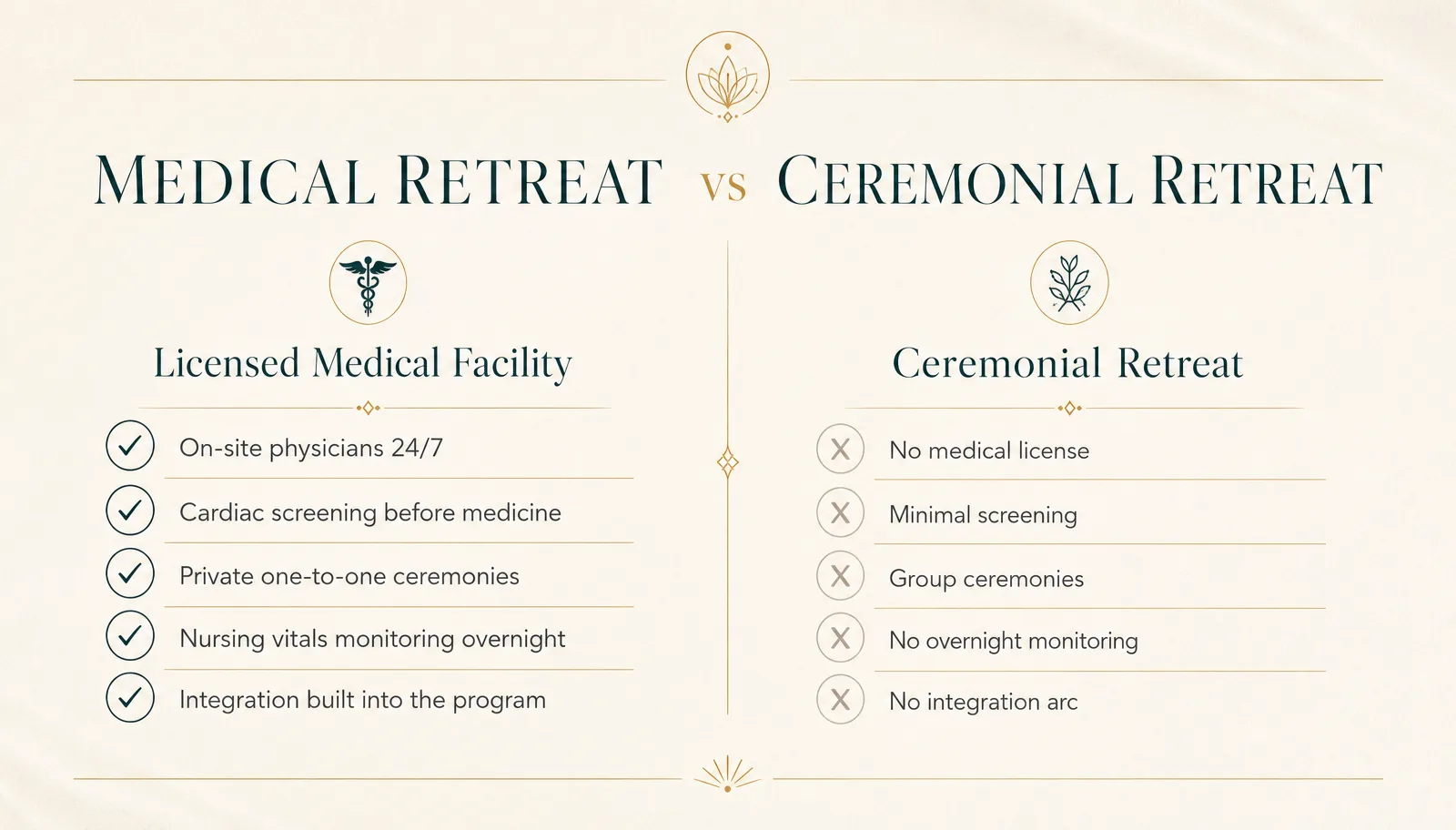
    Comparison of medically supervised plant medicine treatment versus ceremonial retreat models
    Screening is not the tedious part before the treatment. It is part of the treatment.

    Why the Sequence Matters More Than the Substance

    The question we field most often is about ibogaine, or ayahuasca, or 5-MeO-DMT — which one, how much, how soon. It is the wrong question, and our answer disappoints anyone hoping for a shortcut.

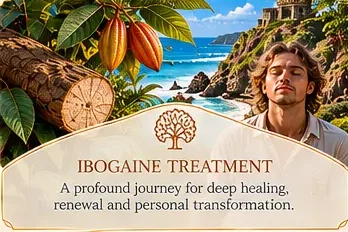
    Nothing happens on day one. The first phase is medical: bloodwork, EKG, cardiac evaluation, and a complete picture of what is in someone's system and what their heart can tolerate. Then stabilization — sleep, nutrition, hydration, mineral repletion — and where required, a supervised taper that can occupy weeks on its own. Only after all of that does a ceremony take place. Ibogaine, the compound with the most serious cardiac profile of anything we work with, always comes last in the sequence.

    That ordering is not caution performed for its own sake. The published follow-up data on ibogaine for opioid dependence comes from settings with medical screening and supervision, not from improvised ones.2 The screening is not the tedious part before the treatment. The screening is part of the treatment. Remove it and you are not running a faster program — you are running a different, more dangerous one.

    This is where the paradigm actually diverges. Conventional care asks what to prescribe. The weekend-retreat market asks what to administer. We ask what condition the nervous system, the gut, the liver, the heart, and the sleep architecture are in — and we spend weeks answering that before anything sacred is introduced.

    The Record, Stated Plainly

    The figures

    5,000+supervised ceremonies since 2011 — every one delivered one-on-one, with a medically cleared client and nursing cover on site.
    30,000+hands-on clinical hours accumulated by the founder across the life of the facility.
    Zeroserious incidents. In a field where the serious incidents that do occur almost always trace back to absent screening or absent supervision, this is the number the entire model exists to protect.
    Dailyadjunct therapies alongside the core protocol — never sold as an add-on.

    The caveat we will not bury

    These figures are the facility's own operational numbers. We publish them as our record, because that is precisely what they are.

    They have not been independently audited, and we are not going to dress them up as something they are not. They are internal operational records, kept in-house, reported honestly. We would rather tell you that in the same paragraph as the numbers than let you discover it later.

    Fifteen years of in-house documentation is not a randomized controlled trial and we will never present it as one. It is, however, considerably more than most operators in this field can show you at all.

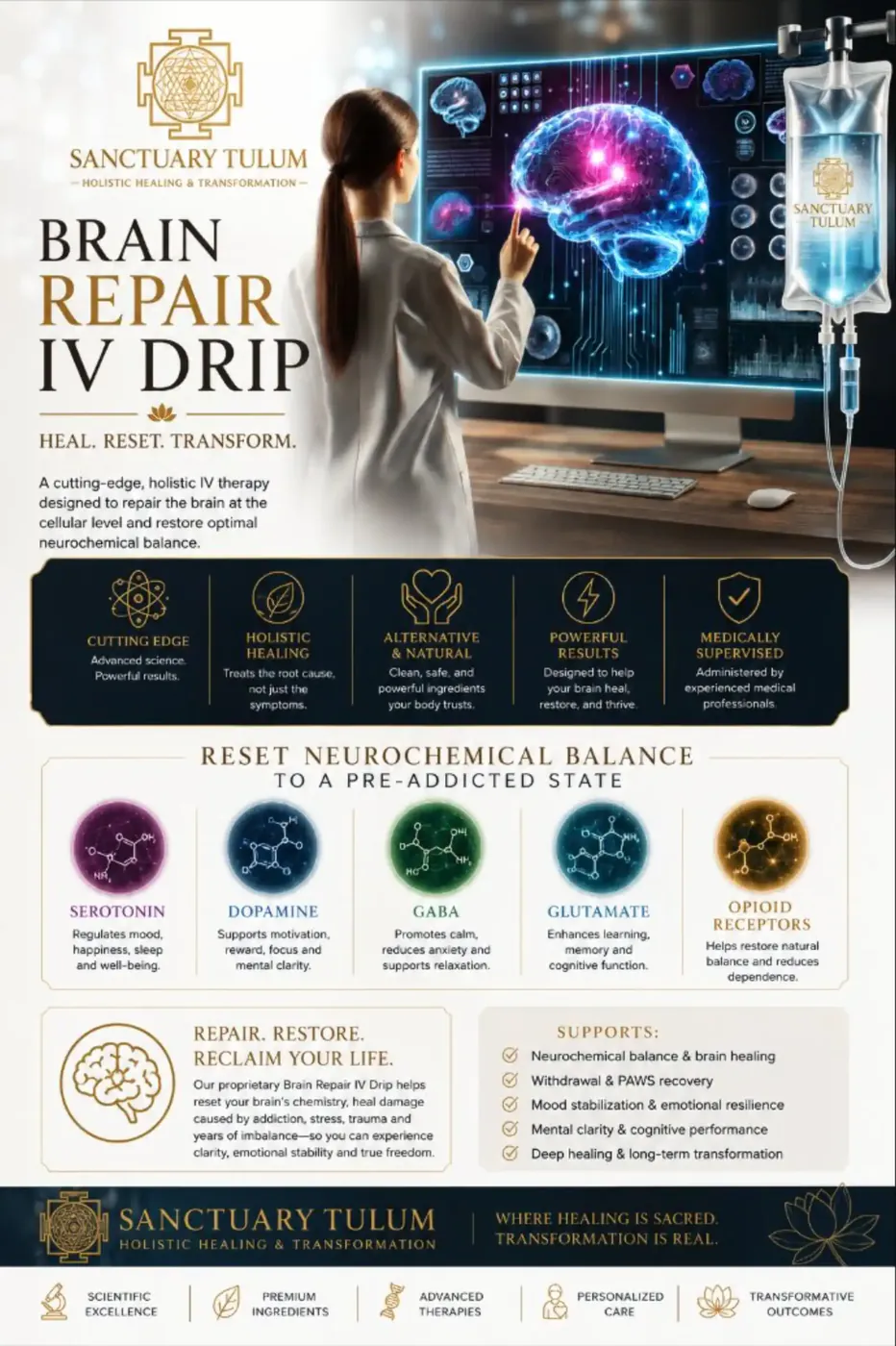
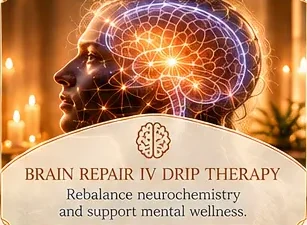
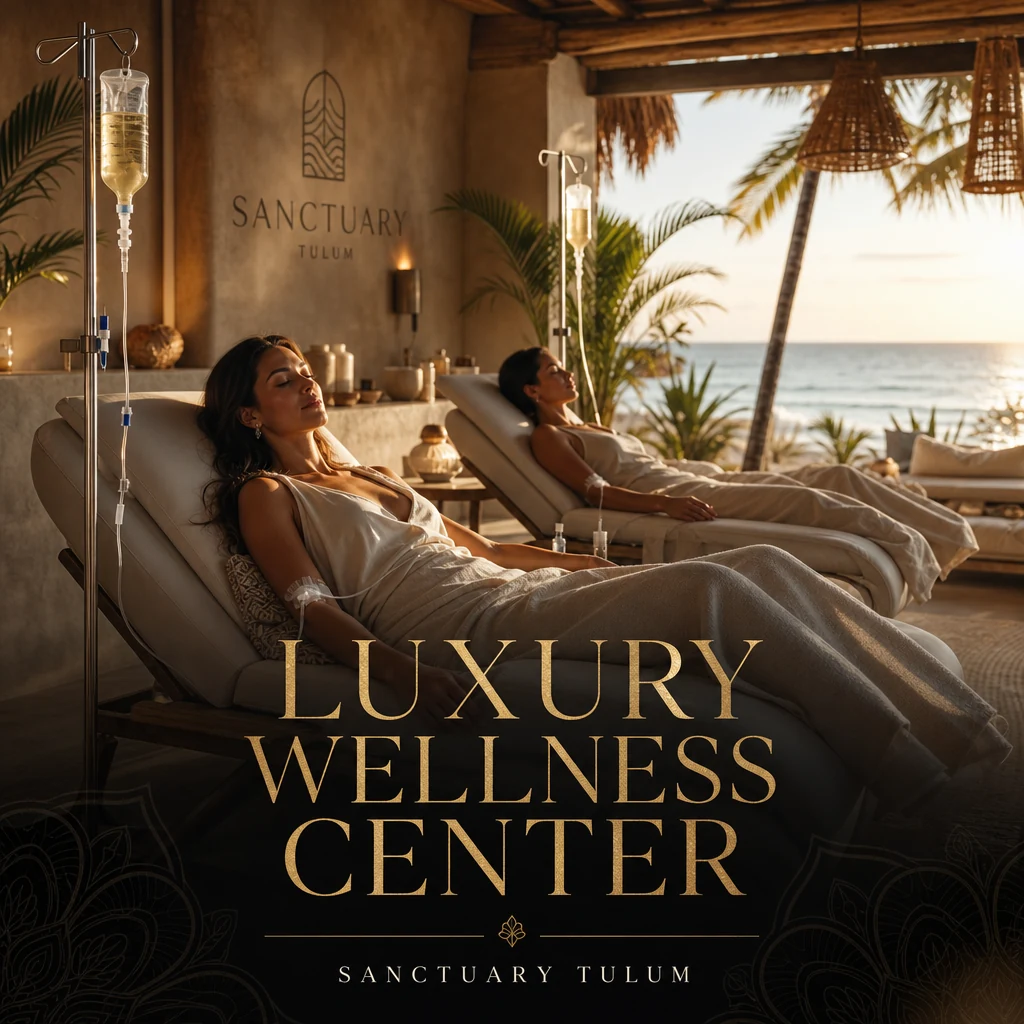
    Brain Repair IV Drip protocol delivered at Sanctuary Tulum as part of the Pouyan Method
    Adjunct therapies run daily alongside the core protocol, not as an upsell.

    What Runs Alongside the Ceremonies

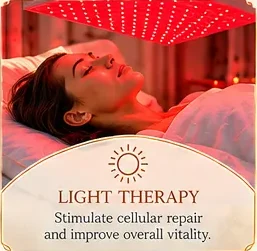
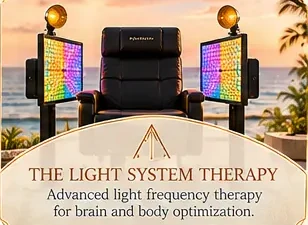
    Most of a guest's time here is not spent in ceremony. It is spent on the unglamorous work that makes a ceremony worth anything at all: nutrition, sleep repair, IV protocols, hyperbaric oxygen, red light, ozone, cold exposure, movement, bodywork, and one-to-one hours with staff who are not managing anyone else that day.

    Hyperbaric oxygen therapy is a useful example of how we speak about all of it. HBOT has a defined list of indications approved by the Undersea and Hyperbaric Medical Society, and addiction is not on that list.3 We use it here as a supportive therapy, and we say so plainly rather than implying a clearance that does not exist. The same discipline applies to every other component: described for what it is designed to support, never for what it is claimed to cure.

    This is what fifteen years of iteration buys — not a longer menu, but a sharper one. Therapies that earned their place stayed. Therapies that looked impressive and delivered nothing were removed, regardless of what they cost to install. The full component-by-component breakdown lives on the Pouyan Method™ page, because a slogan is not an explanation.

    Who Is Actually in the Building

    A licensed facility is a staffing decision before it is anything else. The building is 10,000 square feet, never holds more than three to five clients at a time, and the people working in it outnumber the people being treated in it. That ratio is the single most expensive commitment described on this page.

    Dr. Jose A. Jimenez, MD is our Medical Director, and his role is oversight and review rather than day-to-day treatment. He is a visiting physician rather than a full-time in-house doctor, and he does not perform procedures on site. What he does is the part that determines whether anything happens at all: he reviews the cardiology workup, the stress test, the EKG, the imaging, the bloodwork and the analysis; he approves stem cell work; and he medically clears — or declines to clear — each client for ibogaine, ayahuasca and DMT.

    Day-to-day care is delivered in-house by our own clinical team. Nursing cover runs 24 hours a day across a morning shift, an evening shift and two to three night shifts, with at least four nurses on duty across any 24-hour period. Three ER doctors rotate through the facility, reviewing bloodwork, medically supervising ibogaine treatment, and signing off on protocols involving stem cells, autoimmune conditions, diabetes, cholesterol, and tapering off prescribed medication. An ER doctor is also brought in for other plant-medicine sessions whenever a client is frail, medically compromised, or otherwise needs critical-care cover present in the room. Around them sit the practitioners who run the IV, hyperbaric, light and bodywork sessions; a kitchen that cooks to a nutritional plan rather than a menu; and the facilitators who sit with a client through a ceremony and, more importantly, through the hours afterward when the actual processing happens.

    Nobody here is running a caseload. There is no rotation of counselors and no shared curriculum, because with three to five clients in the building each person has their own schedule rather than a slot in somebody else's. When we say one-to-one, we do not mean an hour of individual attention bolted onto a group day. We mean every ceremony and every therapy session delivered one-on-one, in a private room with a private bathroom, on a plan built for that person and revised as their body responds.

    Johnny Tabaie, who founded the facility and directs operations, remains personally involved in every admission. He is not a physician and makes no clinical decisions; that separation is set out in full on his professional profile.

    Medically supervised benzodiazepine and psychiatric medication tapering review at Sanctuary Tulum
    Cardiac screening and medication review happen before a deposit, not after.

    The Week Before You Arrive

    Admission here begins with the review most facilities perform after a deposit clears. We do it before.

    We ask for a complete medication list — doses, durations, and every prescriber involved — along with recent bloodwork, cardiac history, and any psychiatric diagnoses already on file. Where the picture is incomplete, we arrange the missing tests rather than guess at them. Cardiac screening in particular is not negotiable, because the sequence ends in compounds that require a heart somebody has actually examined, and because the published outcome literature on ibogaine comes from screened, supervised settings rather than improvised ones.2

    That review settles three things: whether this model fits at all, how long the program needs to run inside the four-to-twelve-week range, and what the taper looks like on day one. Someone arriving on a high benzodiazepine dose and someone arriving on alcohol alone are not on the same program, and the difference is worked out before either of them books a flight.

    Then there is the unromantic half of it — travel, documents, arrival timing, what to bring and what to leave behind. We handle that end directly, because someone in the state most people are in when they first call should not also be project-managing their own rescue.

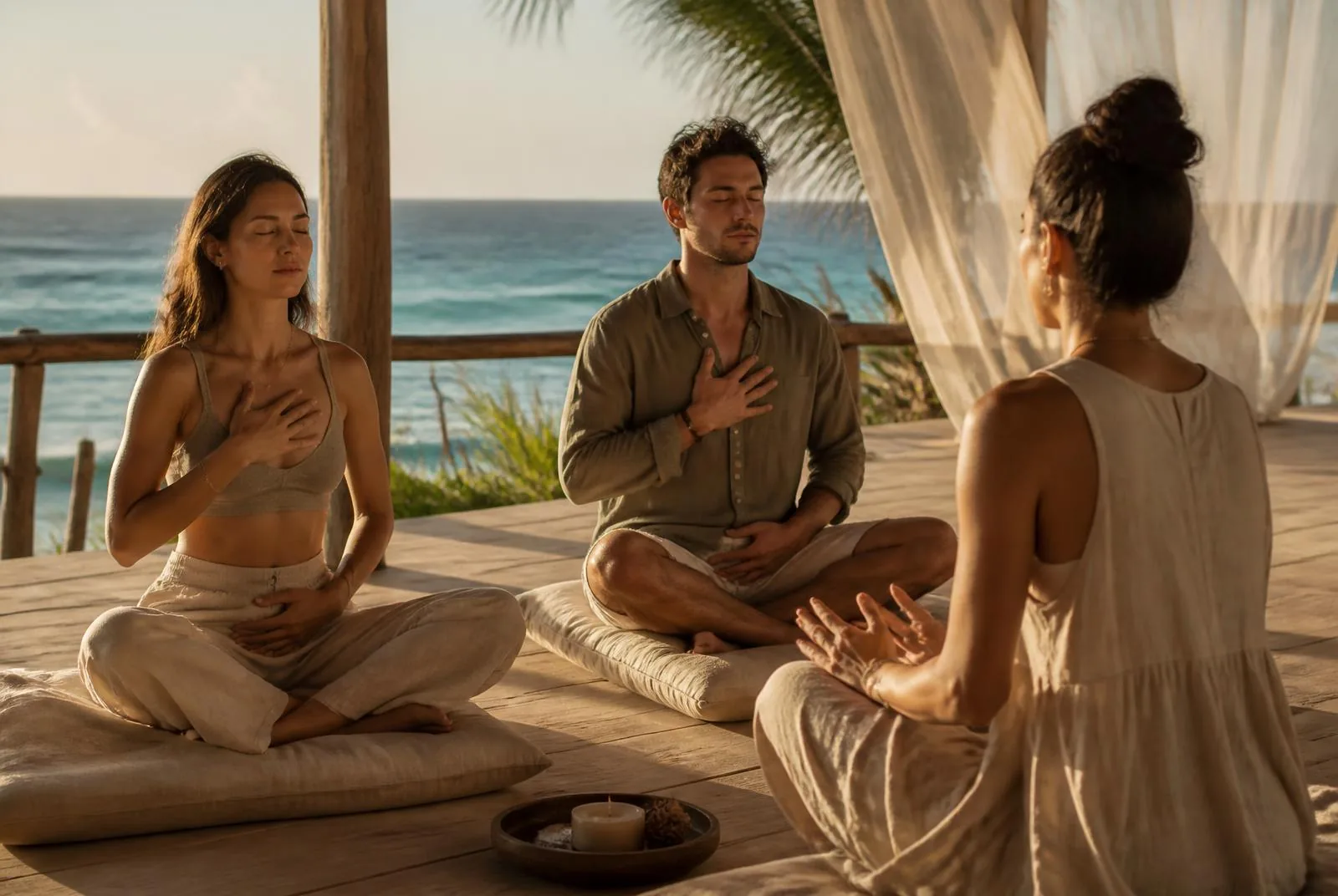
    Breathwork and integration session on the oceanfront deck at Sanctuary Tulum
    The final phase of every program is spent preparing for the return home.

    What Happens After You Leave

    Four to twelve weeks is long enough to change a physiology. It is not long enough to change a life on its own, and we would rather say that plainly than sell a departure date as a finish line.

    Before anyone leaves, the closing phase of the program is spent on the return itself: what the first month at home looks like, which routines and relationships are load-bearing, and what to do on the day the old solution starts making sense again. Where continued support is needed, we help arrange it locally, rather than pretend that distance care from Mexico is the same thing as care.

    We stay reachable afterward. Guests contact this facility months and years later, and that line does not close at discharge. What we will not do is promise permanence. Outcomes differ from person to person, not everyone responds, and any program offering you the rest of your life in advance has stopped being honest with you.

    Read this part twice

    What We Do Not Claim

    We do not cure anything. Nothing we do has been evaluated by the FDA. We are not a pharmaceutical trial; our protocol has not been through randomized controlled testing; and the published research we cite — on ibogaine, ayahuasca, psilocybin, 5-MeO-DMT — is research into individual compounds, not into our program. Some of it is preliminary by its own authors' description.

    When Eli Lilly agreed in July 2026 to acquire AtaiBeckley for up to $3.8 billion, with a synthetic 5-MeO-DMT nasal spray at the center of the deal,1 that told us institutional research had caught up with a hypothesis formed here in 2007. It did not tell us our protocol had been validated. Those are two different sentences and we intend to keep them different.

    Individual results vary. Some people do not respond. We would rather say it here than have you find it out later. We are not asking you to believe us. We are asking you to read the sources, ask harder questions than any brochure invites, and then decide.

    References

    1. Eli Lilly to acquire AtaiBeckley for up to $3.8 billion — Psychedelic Alpha, July 2026. psychedelicalpha.com
    2. Noller GE, Frampton CM, Yazar-Klosinski B. Ibogaine treatment outcomes for opioid dependence from a twelve-month follow-up observational study. Am J Drug Alcohol Abuse. 2018. pubmed.ncbi.nlm.nih.gov
    3. Undersea and Hyperbaric Medical Society — approved indications for hyperbaric oxygen therapy. uhms.org

    Medical disclaimer: This article describes published research findings and the facility's reported operational history. It does not constitute medical advice, and nothing herein has been evaluated by the FDA. Sanctuary Tulum does not diagnose, treat, or cure disease.

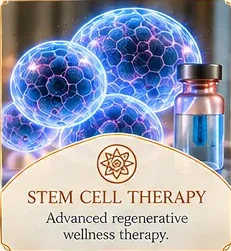
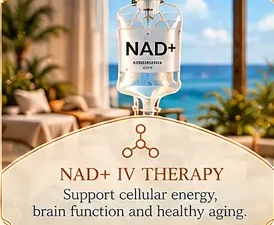
    Our Therapies at Sanctuary Tulum — Proven, Holistic, and 100% Natural: Sacred Plant Medicine Ceremonies, Brain Repair IV Drip, Stem Cell Therapy, NAD+ IV Therapy, Daily Yoga & Meditation, Massage & Bodywork, Hyperbaric Oxygen Therapy, Ozone Therapy, Infrared Sauna & Red Light Therapy, Cold Plunge Therapy, Green Coffee Enemas, and Organic Superfood Nutrition

    What Makes Us Different

    Oceanfront, Private, Luxury Suites
    Licensed, Medical-Grade Facility
    One-on-One Healing — No Groups, Ever
    Zero Medications, 100% Natural Therapies
    No Group Meetings or Replacement Drugs
    Daily Nine-Hour Custom Healing Regimen
    Personalized 4–16 Week Healing Programs
    15+ Years — Fatality-Free Plant Medicine Record

    See the Full Comparison

    A detailed breakdown of what truly separates Sanctuary Tulum from every other treatment center, retreat, or facility in the world.

    Additional Information →

    Programs Tailored to Where You Actually Are

    We do not believe in one-size-fits-all recovery. The severity of your history determines the depth of care you receive — not a standard admission package.

    A Different Kind of Honest

    Conventional medicine has failed too many people for too long. We are not here to replace it entirely — we are here to offer what it cannot. A real, full-spectrum, non-pharmaceutical path through suffering for those who are willing to do the work.

    "Our work is to give people a real chance — an integrative, non-pharmaceutical path they were never offered." — Johnny Tabaie

    Frequently Asked Questions

    Verified Reviews

    What Our Guests Say

    4.9· Exceptional

    53+ verified reviews on Yelp