The conventional addiction treatment industry has a dirty secret: most "treatment" simply replaces one drug with another. Suboxone for heroin. Antidepressants for emotional pain. Benzodiazepines for anxiety. Patients leave rehab taking a cocktail of pharmaceuticals they will be told to stay on indefinitely — and when they eventually relapse or experience devastating side effects, the system blames them rather than the model.
Holistic luxury rehab offers a fundamentally different path — one that heals the root cause rather than masking symptoms with more chemicals.
The Problem with Medication-Based Rehab
Medication-assisted treatment (MAT) was designed with good intentions, but it has become a profit-driven system that keeps patients dependent. Suboxone and methadone are themselves opioids — they occupy the same brain receptors as heroin and fentanyl. Patients trade one addiction for another, often for years or even a lifetime. Withdrawal from Suboxone can be more agonizing than withdrawal from the original substance.
Antidepressants like SSRIs blunt emotional range, cause sexual dysfunction, weight gain, and cognitive fog — and research increasingly shows they are no more effective than placebo for most patients. The pharmaceutical model does not cure; it manages. And management is not healing.
How Holistic Rehab Actually Heals
At Sanctuary Tulum, our Pouyan Method™ takes a completely different approach. Rather than suppressing symptoms, we repair the neurochemistry that was damaged by substance abuse, trauma, and toxic medications. Here is how:
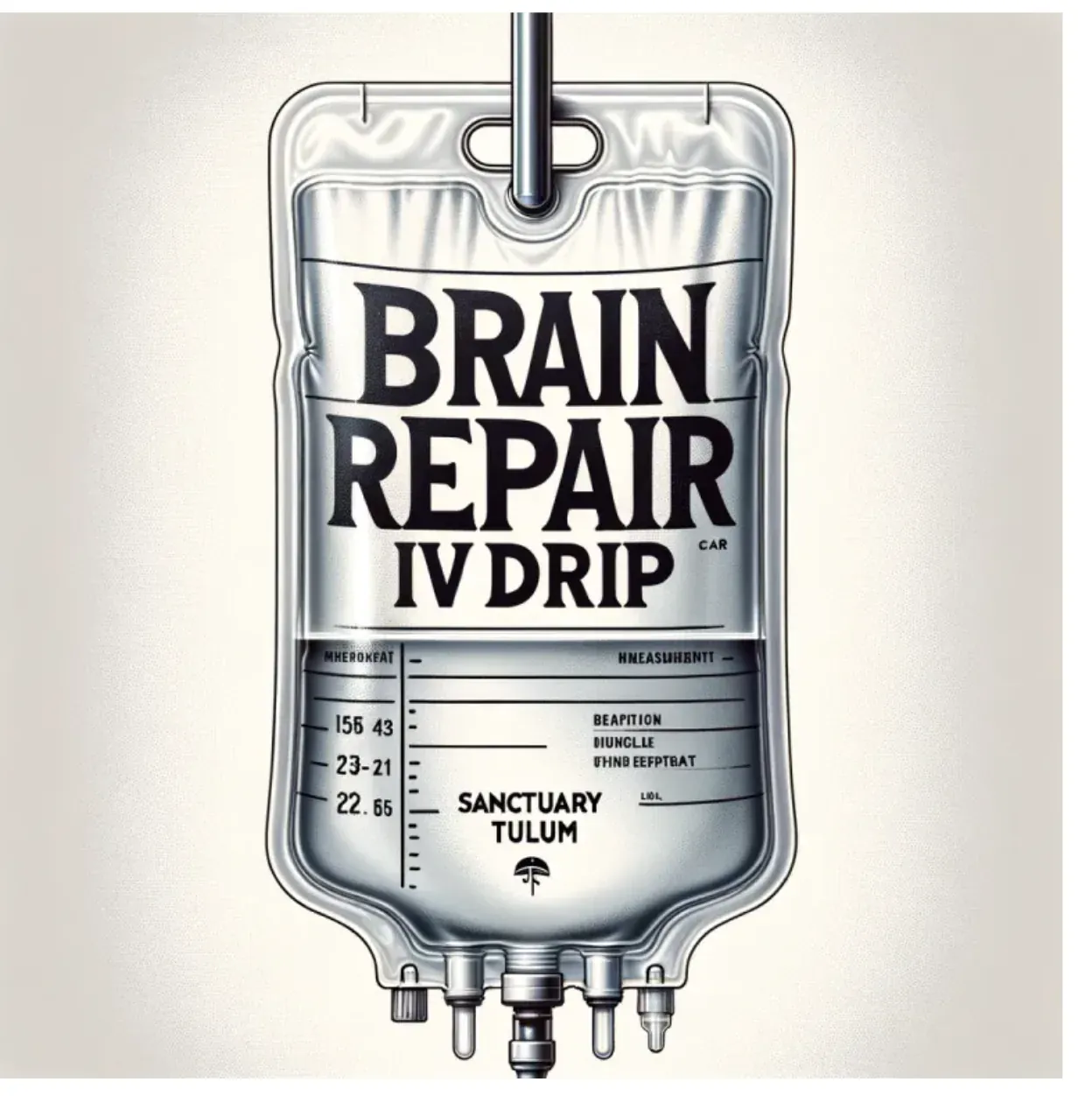
- Brain Chemistry Restoration: NAD+ IV therapy and amino acid IV drips rebuild depleted serotonin, dopamine, and GABA pathways — the neurotransmitters that regulate mood, pleasure, and calm — without pharmaceuticals. This is central to our depression treatment and benzodiazepine withdrawal programs.
- Neurological Reset: Ibogaine therapy interrupts addiction patterns at the receptor level, eliminating cravings and withdrawal in a single session.
- Trauma Resolution: Ayahuasca ceremonies and psilocybin therapy access and resolve the subconscious trauma that drives addictive behavior — far more effectively than years of talk therapy.
- Cellular Regeneration: Stem cell therapy repairs organ damage, reduces systemic inflammation, and accelerates healing at the biological level.
- Physical Restoration: Hyperbaric oxygen therapy, infrared sauna, cold plunge, and red light therapy restore the body's natural vitality.
The Results Speak for Themselves
Conventional medication-based programs report relapse rates of 40–60% within the first year. Many patients cycle through rehab three, five, even ten times — spending hundreds of thousands of dollars while never actually healing. The system profits from repeat customers.
Sanctuary Tulum's holistic approach produces dramatically different outcomes. Our guests complete their programs without ongoing medication dependency, without lifelong meeting attendance, and without the revolving door of conventional treatment. They leave with restored brain chemistry, resolved trauma, and the tools for genuine, self-sustained wellness.
Making the Choice
If you or someone you love has been through the medication merry-go-round and found it lacking, holistic luxury rehab offers a real alternative. The body has an extraordinary capacity to heal itself when given the right support — and that support does not come in a pill bottle.
Contact our intake team to learn how the Pouyan Method can help you break free permanently.
🔬 A Radical New View of Why Medication Fails — The Biological Root
What if addiction is being sustained by a biological driver that medication-based treatment never addresses? Sanctuary Tulum's 20-year self-funded research hypothesis links parasitic infection — including Toxoplasma gondii and gut parasites — to the same dopamine, GABA, and serotonin disruptions that medication claims to treat.
Specifically: parasitic immune activation triggers the kynurenine pathway, which shunts tryptophan away from serotonin synthesis and toward excitotoxic metabolites. The result is a biologically generated serotonin deficit that SSRIs attempt to compensate for downstream — while the upstream parasitic driver continues unaddressed. This is a central reason why medication management produces chronically high relapse rates and why the Pouyan Method™ addresses the biological substrate first.
→ Full Research Page: Parasites, Inflammation & the Hidden Biology of Addiction|→ Research Cluster 02: Parasites & Drug/Opioid Addiction
Medication-Assisted Treatment — What the Evidence Says
Methadone, buprenorphine, and naltrexone each have decades of outcomes data in opioid use disorder. Methadone and buprenorphine reduce all-cause mortality by roughly 50 percent in maintained patients compared with abstinence-only treatment — that is a large, reproducible effect and it is why WHO lists them as essential medicines. For a subset of patients, indefinite MAT is the intervention that keeps them alive.
Any honest comparison of holistic and pharmacological models has to acknowledge that. Sanctuary Tulum's model is not that MAT is wrong; it is that many guests presenting to a private program have specific goals (return to full cognitive function, taper off maintenance medication, address the underlying trauma driving use) that a maintenance model was not designed to address.
Where a Holistic-Led Model Fits
The clinical pattern where a holistic-led program shows its value is with guests who have been abstinent or maintained for a period, whose acute overdose risk is stable, and whose remaining picture is trauma, nervous-system dysregulation, cognitive impairment, or medication dependence that they are actively seeking to taper under supervision. That is a different clinical population than an unstable, actively-using guest presenting to an emergency department.
Sanctuary Tulum's intake is explicit about which guests fit which model. Guests who need continuous MAT to remain safe are told so, and are directed to programs equipped to deliver it. Related: opioid recovery.
References
- Cipriani A, et al. "Comparative efficacy and acceptability of 21 antidepressant drugs for major depressive disorder in adults: a systematic review and network meta-analysis." Lancet. 2018;391(10128):1357-1366.
- Kirsch I. "Placebo Effect in the Treatment of Depression and Anxiety." Front Psychiatry. 2019;10:407.
- Ashton CH. "Benzodiazepines: How They Work and How to Withdraw" (The Ashton Manual). University of Newcastle upon Tyne; 2002.
To see how this fits into a complete program, explore our holistic rehab center.