Many people arrive at luxury rehab program after several antidepressant trials and years of talk therapy that never quite reached the underlying issue. The largest network meta-analysis of antidepressants for major depressive disorder found only modest average effect sizes across 21 agents versus placebo,1 and treatment-resistant presentations remain a live clinical problem.2
Where the Conventional Model Stalls
The standard sequence — try an SSRI, wait six weeks, adjust, switch, add an adjunct — can stretch on for years while side effects (emotional blunting, weight gain, sexual dysfunction, insomnia) accumulate. Talk therapy is useful for day-to-day stress but rarely reaches the trauma and neurochemical picture that drives chronic depression and severe anxiety.
How the Program Approaches Depression Differently
At Sanctuary Tulum, depression treatment is not about finding the right pill. It is a multi-modal, physician-led protocol. For guests whose depression co-occurs with trauma, our PTSD program integrates:
- Psilocybin-assisted therapy: Psilocybin therapy has shown durable responses in treatment-resistant depression in controlled trials.
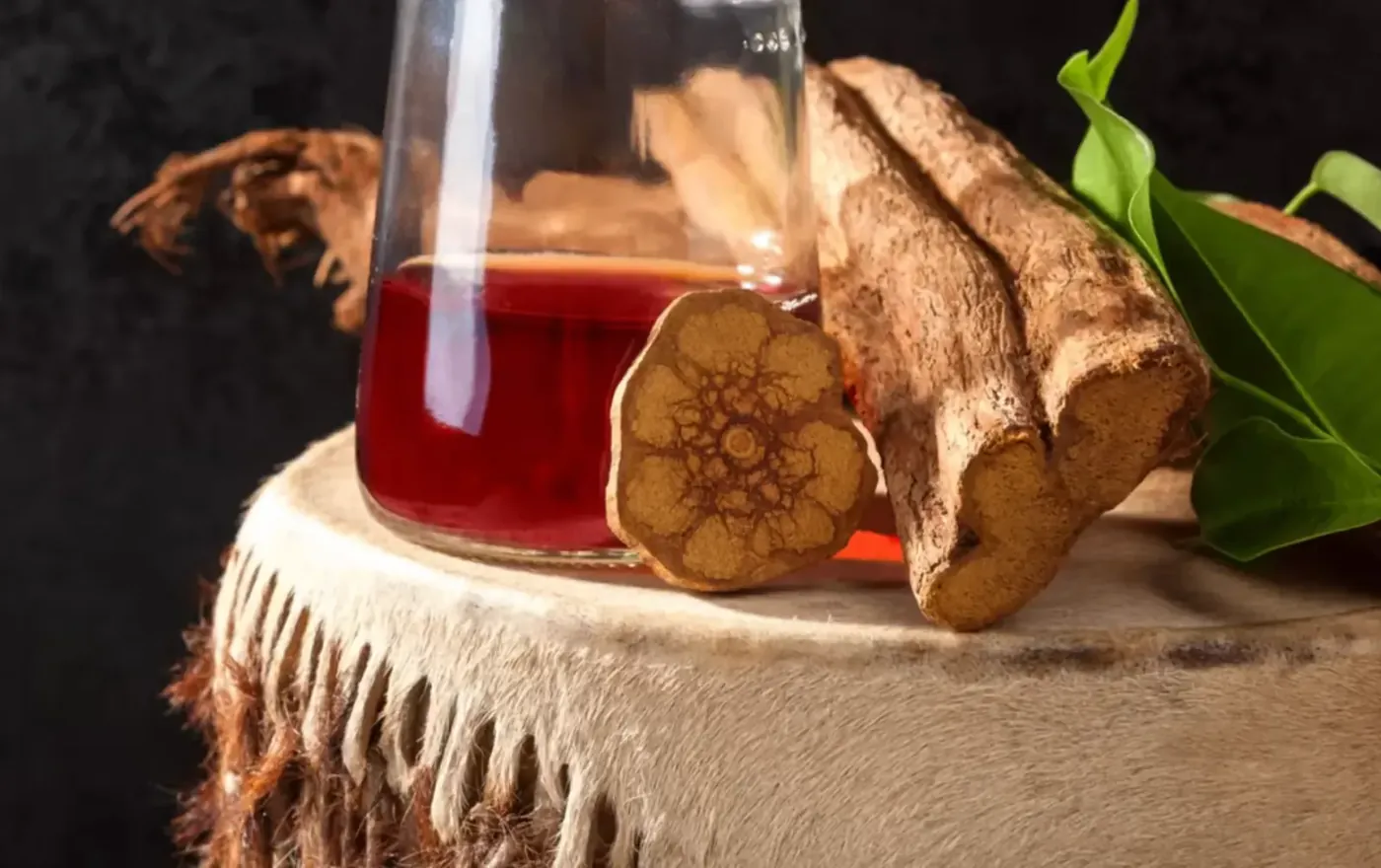
- Ayahuasca ceremonies: Ayahuasca work can access emotional material conventional therapy struggles to reach; published trials show rapid antidepressant response after a single session with effects persisting at follow-up.3
- 5-MeO-DMT for trauma-linked depression: 5-MeO-DMT ceremonies are used selectively for guests cleared for that modality.
- NAD+ and amino-acid IVs: NAD+ IV therapy supports neurotransmitter recovery during and after medication tapers.
- Stem cell and HBOT: Stem cell therapy and hyperbaric oxygen address neuroinflammation, an increasingly recognized contributor to depressive symptoms.
Why the Environment Matters
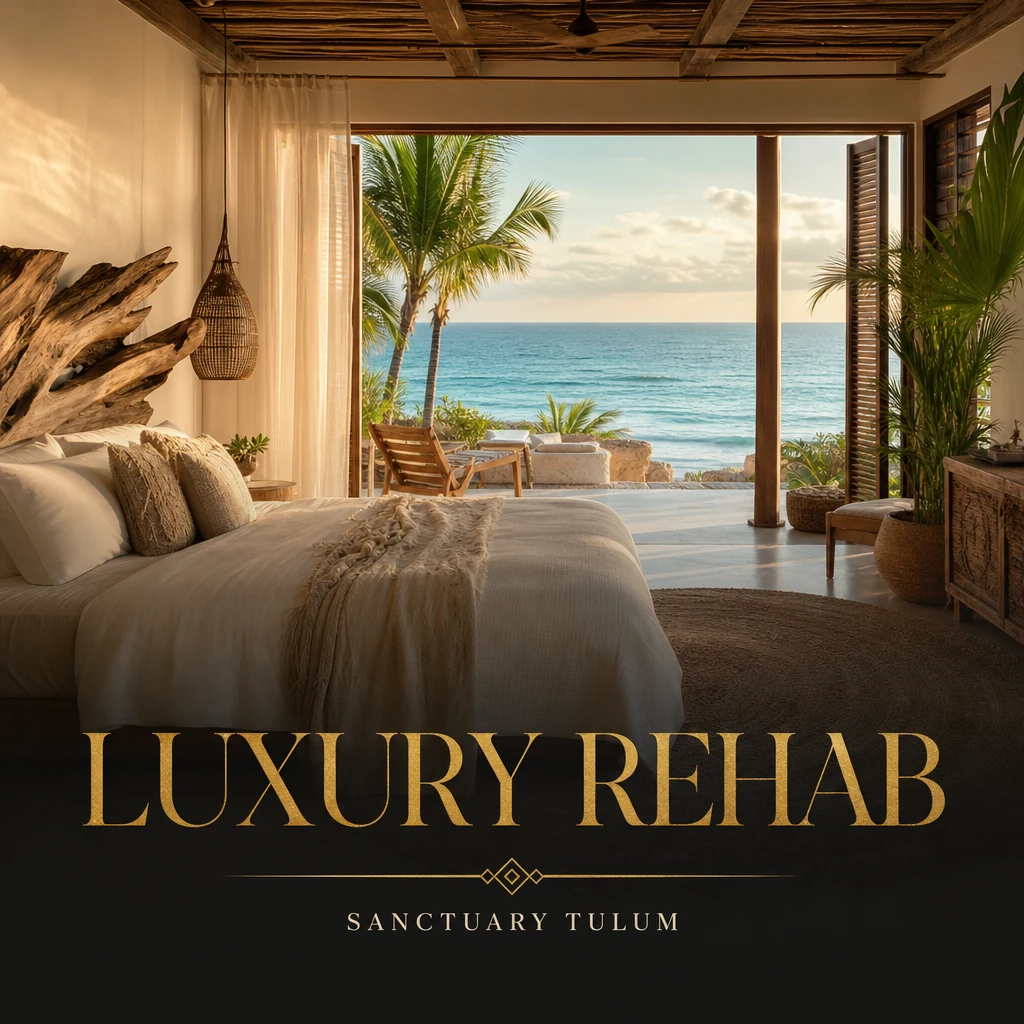
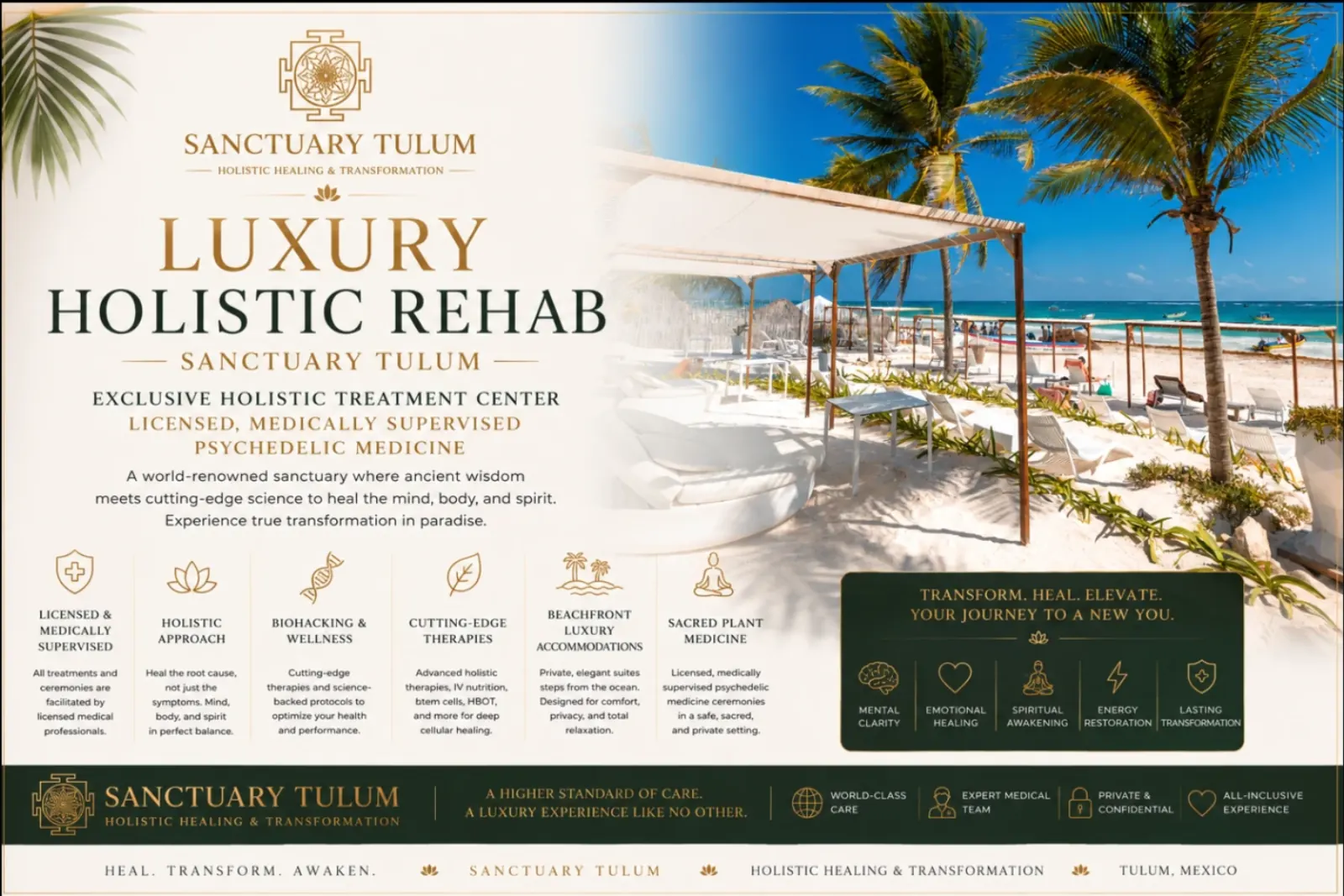
Depression and anxiety are shaped by environment. Healing in a clinic between the very circumstances that contributed to the condition is an uphill battle. At Sanctuary Tulum guests are removed from routine stressors and immersed in an oceanfront setting with daily yoga and breathwork, organic nutrition, and dedicated one-on-one clinical attention — conditions in which the nervous system can down-regulate.
A Typical Day in the Program
Mornings start with movement (yoga, breathwork, or beach walking) and a physician check-in. Mid-morning is IV therapy — usually a combination of NAD+, amino acids, glutathione, and targeted vitamins depending on the taper stage. Afternoons alternate between HBOT sessions, bodywork, and one-on-one integration hours with the clinical team. Meals are organic, plant-forward, and structured around amino-acid and micronutrient support for neurotransmitter recovery. Ceremony nights, when clinically indicated, follow a full-day preparation and are followed by a rest day and a dedicated integration session the next afternoon.
Honest Outcomes and Aftercare
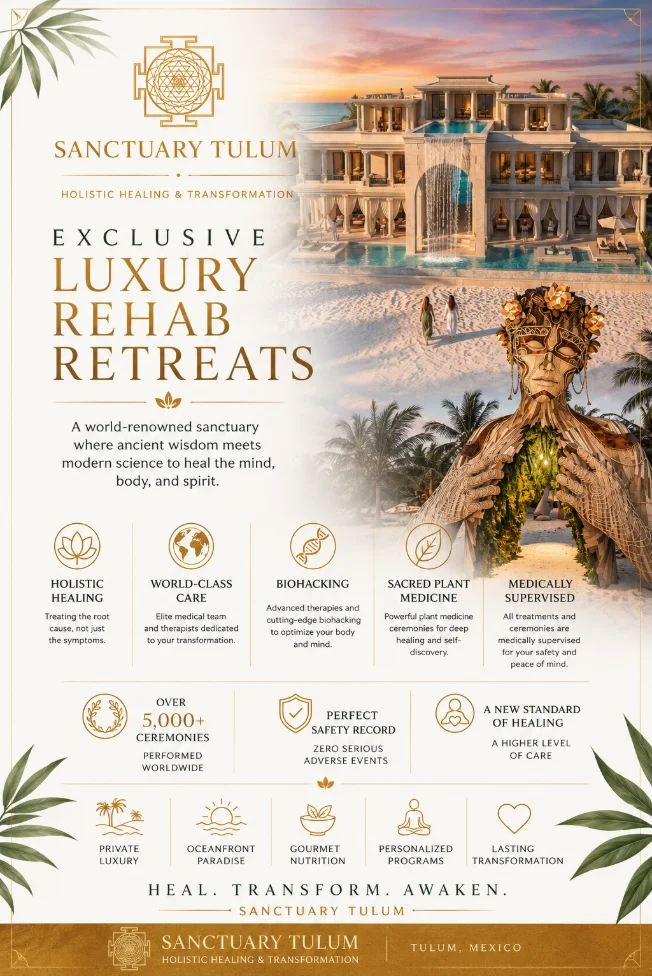
Guests commonly report reduced symptom burden and improvements in sleep, appetite, and functioning by discharge. A meaningful portion do not respond fully — treatment-resistant depression is treatment-resistant precisely because no single approach works for everyone. Sanctuary Tulum does not promise remission; the program is presented as one credible option to consider alongside your existing care team. Aftercare planning — including coordination with your prescriber for any medication changes, structured integration calls, and a written relapse-prevention outline — is built into the plan on arrival, not designed on the last day. The Pouyan Method™ was built for people who have exhausted the standard sequence. Related reading: depression treatment center, holistic rehab vs medication, psilocybin for depression. For a confidential intake conversation, reach out to our team.
Where SSRIs Fit — and Where They Reach Their Limit
SSRIs remain first-line for major depression in most guidelines, and they help a meaningful portion of patients. The STAR*D program and subsequent replications indicate that roughly one-third of patients reach remission on a first SSRI, with cumulative remission approaching two-thirds only after multiple sequential trials — and each successive trial produces diminishing returns. Roughly a third of patients meet criteria for treatment-resistant depression by the time they reach a program like Sanctuary Tulum.
The program's clinical framing is neither anti-SSRI nor SSRI-first. It is that guests who have already cycled through multiple medication trials without durable remission deserve a different clinical model — one built around nervous system regulation, trauma work, and (where indicated and cleared) psychedelic-assisted therapy. Related: depression treatment.
What the Non-Medication Toolkit Actually Includes
The non-medication clinical toolkit is not a single technique. It includes structured one-to-one hours (not group-only), somatic and nervous-system regulation work, sleep and light protocols, exercise programming calibrated to the guest's current tolerance, nutrition targeted at the neurotransmitter precursors depleted by chronic depression, and — where indicated and medically cleared — psilocybin, 5-MeO-DMT, or ayahuasca ceremonies inside a supervised container.
The order and combination is individual, not menu-driven. A guest with predominantly anxiety and insomnia will not receive the same protocol as a guest with anhedonic depression and a trauma history, even if both come off the same class of medication. See Pouyan Method™.
References
- Cipriani A, et al. "Comparative efficacy and acceptability of 21 antidepressant drugs for major depressive disorder in adults: a systematic review and network meta-analysis." Lancet. 2018;391(10128):1357-1366.
- Kirsch I. "Placebo Effect in the Treatment of Depression and Anxiety." Front Psychiatry. 2019;10:407.
- Palhano-Fontes F, et al. "Rapid antidepressant effects of the psychedelic ayahuasca in treatment-resistant depression: a randomized placebo-controlled trial." Psychol Med. 2019;49(4):655-663.
To see how this fits into a complete program, explore our luxury treatment for anxiety.