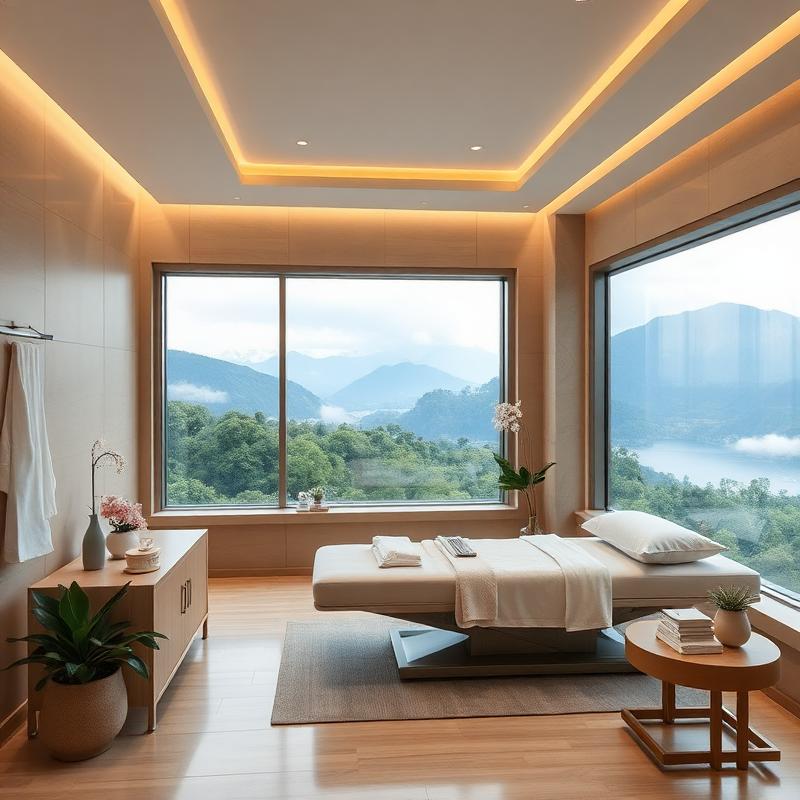
Choosing a luxury residential rehab is an investment in your life. Here are seven compelling reasons why luxury rehabilitation produces superior outcomes and lasting transformation.
1. Completely Personalized Treatment
Every aspect of your treatment is designed specifically for you — from your detox protocol to your therapeutic modalities. No group programs, no standardized approaches.
2. Access to Advanced Therapies
Luxury rehab centers offer treatments unavailable elsewhere: ibogaine therapy, stem cell treatments, NAD+ infusions, ayahuasca ceremonies, and other cutting-edge modalities.
3. Complete Privacy
With only a handful of guests at any time, luxury rehab provides total discretion. No shared rooms, no group settings with strangers.
4. Holistic Mind-Body-Spirit Healing
Rather than treating only the addiction or mental health condition, luxury rehab addresses the whole person — biochemistry, emotional trauma, and spiritual disconnection simultaneously.
5. Healing Environment
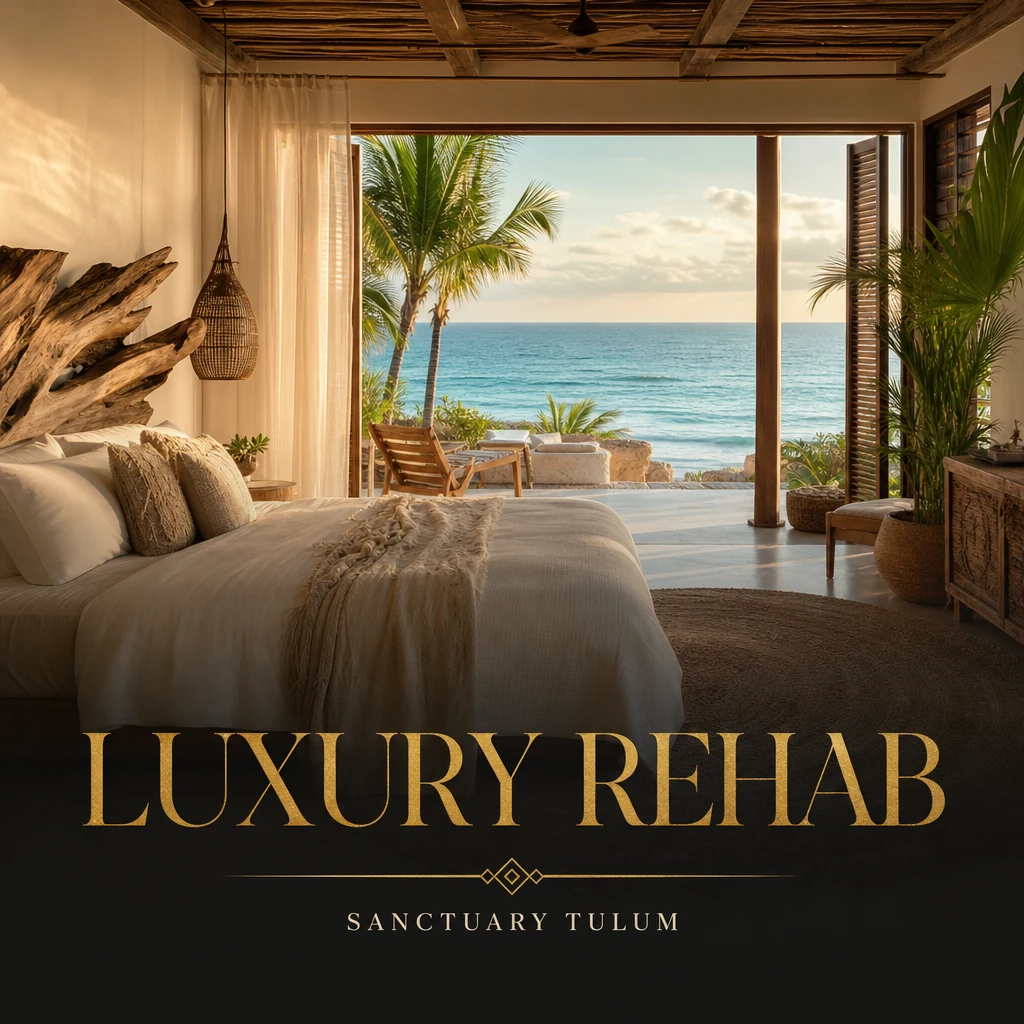
The therapeutic power of a beautiful, natural setting cannot be overstated. Healing in a private oceanfront estate is profoundly different from recovering in a clinical facility.
6. One-on-One Expert Care
Dedicated doctors, therapists, and healers focused entirely on your recovery. The attention and expertise you receive is unmatched in traditional settings, and it is the single variable most guests underestimate before arriving. A program built as a luxury rehab for mental health can schedule dozens of one-to-one clinical hours each week because the guest count stays small — something a sixty-bed facility running group blocks simply cannot reproduce, regardless of how the brochure reads.
7. Stronger Continuity of Care
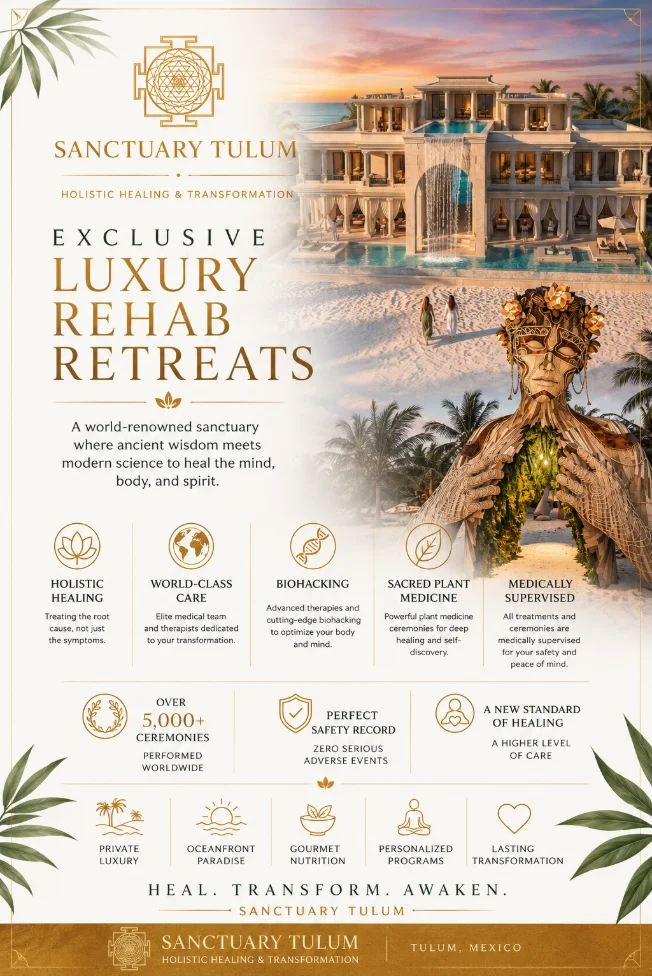
By addressing root causes rather than symptoms, luxury rehab produces significantly better long-term outcomes. Guests don't just get sober — they transform their lives.
What Actually Improves Outcomes
The variables that reliably correlate with better outcomes in the substance use literature are treatment duration, clinical intensity (hours of one-on-one care per week), continuity into structured aftercare, and stability of the recovery environment.1,2 Luxury settings tend to make these variables easier to deliver — private housing enables sleep, a low guest count enables high one-on-one hours, and control over food and environment removes friction.
What 'Luxury' Does Not Buy
A beautiful setting does not treat addiction. It does not compress recovery, reduce the honest work required, or guarantee an outcome. Anyone marketing a luxury program as a shortcut is misrepresenting what the environment is actually contributing. Sanctuary Tulum's position is that comfort supports clinical work — it does not replace it.
Who Benefits Most from This Model
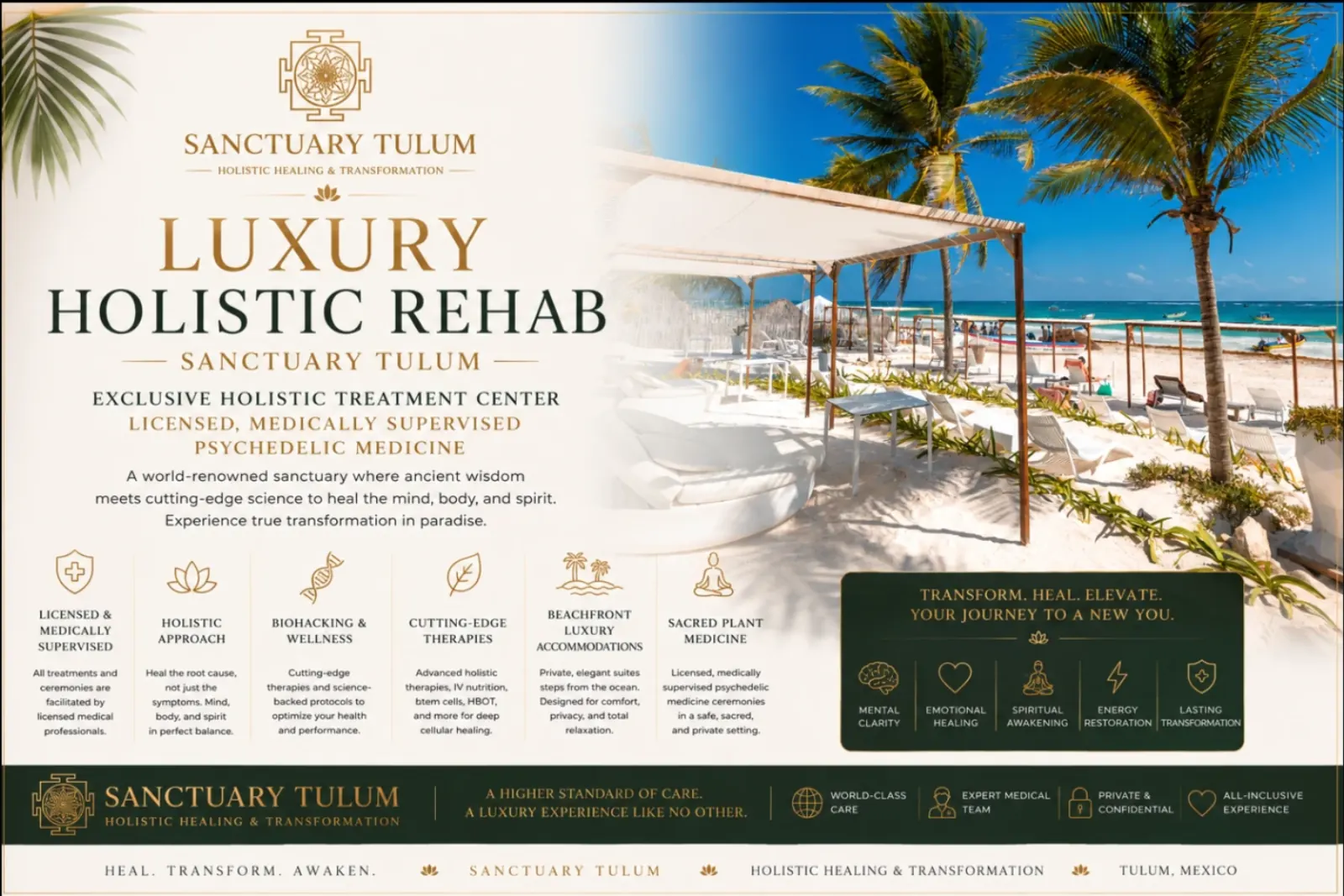
Guests with high-privacy requirements (public-facing individuals, senior executives), guests who have not responded to conventional group-based programs, and guests with complex clinical pictures — polysubstance use, co-occurring conditions, or long benzodiazepine tapers — are the profiles for whom a one-on-one luxury model tends to be worth the cost differential. Relapse rates in the 40–60% range3 apply here too; what changes with this model is the quality of the clinical hours, not the biology of recovery.
Related: what to expect, executive rehab.
The Cost Conversation, Handled Honestly
Luxury rehab costs meaningfully more than a state-funded or standard commercial program. That cost buys clinical intensity, privacy, and environmental control — not a shortcut and not a guarantee. For guests whose lives, careers, or safety require those variables, the value proposition is straightforward. For guests without those specific requirements, a well-run domestic program can produce a comparable clinical outcome at lower cost.
Admissions at Sanctuary Tulum will talk through this openly, including cases where a domestic option would serve better. See our rehab cost breakdown and program pricing for the numbers.
Where the Clinical Evidence Actually Points
NIDA's synthesis of the outcomes literature is that length of stay is the single most consistent predictor of durable recovery — programs of 90 days or longer produce better outcomes than 28-day cycles, and this pattern holds across substance class and severity. Luxury programs are structurally able to deliver that length of stay because they are not constrained to insurance-authorized 28-day blocks.
Second, one-to-one clinical hours produce measurably better engagement than group-only models for guests with trauma, executive-function demands, or a need for privacy. Third, environmental control — sleep, nutrition, light, movement — is not adjunctive; it is what allows the nervous system to reset enough for the clinical work to land.
What Luxury Does Not Buy
Luxury does not buy a shortcut, a guaranteed outcome, or immunity from relapse risk. Guests who arrive expecting a spa week generally do not do the work required and generally do not sustain change. Guests who arrive understanding that the surroundings are a container for hard clinical work — and use the setting accordingly — are the population where the model produces its published outcomes.
Admissions at Sanctuary Tulum are candid about this on the first call. Fit is a two-way judgment. See the cost breakdown and program pricing.
For a side-by-side look at how programs at this level actually compare, see our editorial review of the most expensive luxury rehabs breaks down clinical staffing, privacy, program length, and what the price actually buys.
References
- Center for Substance Abuse Treatment. "Detoxification and Substance Abuse Treatment." SAMHSA TIP 45. Rockville, MD: SAMHSA; 2015.
- American Society of Addiction Medicine. "ASAM Clinical Practice Guideline on Alcohol Withdrawal Management." 2020.
- National Institute on Drug Abuse. "Drugs, Brains, and Behavior: The Science of Addiction — Treatment and Recovery." NIH; updated 2020.