
Alcohol detoxification can be medically dangerous without proper supervision. At our luxury detox center, the process is safe, comfortable, and the beginning of a profound healing journey.
The Dangers of Unsupervised Alcohol Detox
Alcohol withdrawal can cause seizures, delirium tremens, and other life-threatening complications. This is why medically supervised detox is essential. At Sanctuary Tulum, our medical team monitors you 24/7 throughout the entire detox process.
What Luxury Alcohol Detox Looks Like
Rather than enduring detox in a clinical ward, our guests experience the process in a private suite within our Tulum estate. NAD+ IV drips minimize withdrawal symptoms and cravings. Amino acid protocols restore depleted neurochemistry. Vitamin and mineral infusions support liver recovery. Gentle movement, breathwork, and meditation support your nervous system throughout.

From Detox to Deep Healing
Once detox is complete, you transition seamlessly into our comprehensive luxury alcohol rehab program. This may include ibogaine treatment, ayahuasca ceremonies, and other powerful therapies at our luxury rehab center.
Who Should Consider Medically Supervised Detox
Anyone drinking heavily on a daily basis, anyone with a prior withdrawal seizure or delirium tremens, and anyone using alcohol alongside benzodiazepines or opioids should not attempt to stop at home. The ASAM Clinical Practice Guideline on Alcohol Withdrawal Management outlines the specific risk stratification that determines whether inpatient care is required.2
Sanctuary Tulum's intake process includes a full medical history, current medication review, labs, and cardiac screening. Guests who screen into higher-severity withdrawal categories are admitted with continuous monitoring from arrival.
The Clinical Backbone of the Detox Phase
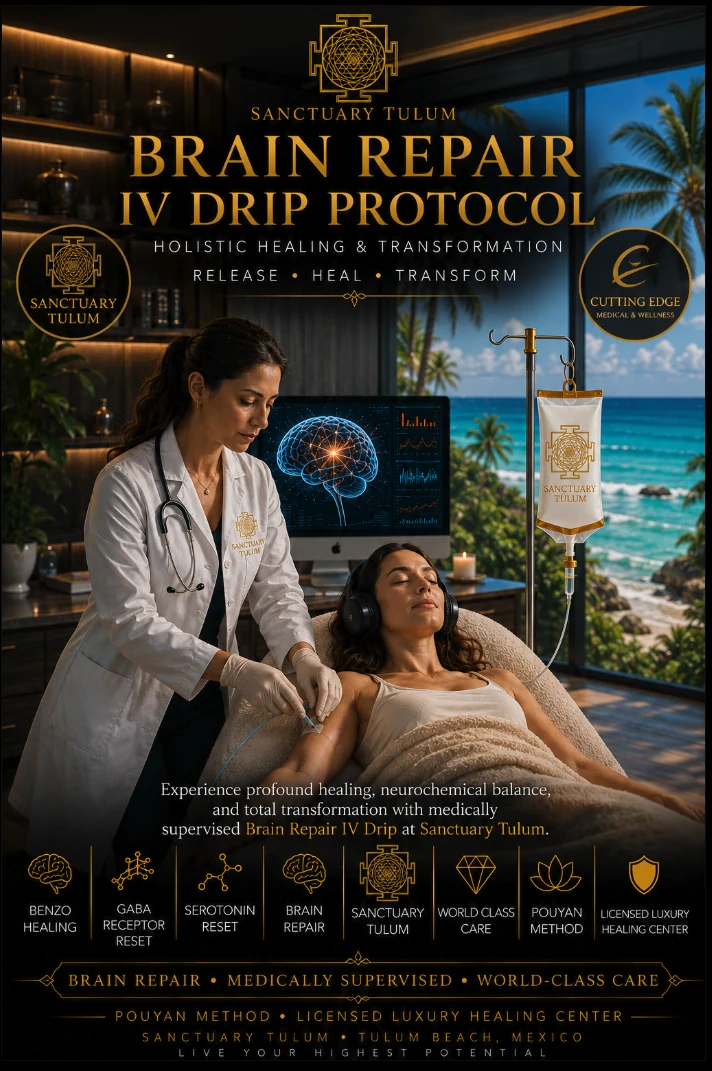
The core of alcohol detox at Sanctuary Tulum is threefold: hourly vitals during the first 72 hours, IV-based repletion of nutrients depleted by chronic alcohol use (thiamine, magnesium, B-complex, glutathione), and NAD+ infusions to support neurochemical recovery. Anti-seizure and anti-anxiety medications are used when clinically indicated per SAMHSA TIP 45 protocols,1 but are not the centerpiece of the program.
Sleep is treated as a clinical variable, not a comfort. Guests are placed in private suites with blackout capability and minimal night-time disturbance. Circadian regulation directly affects withdrawal severity and craving intensity in the first two weeks.
Honest Limits and Aftercare
No detox — luxury or otherwise — treats alcohol use disorder on its own. NIDA's synthesis of the treatment literature notes that relapse rates for substance use disorders sit in the 40–60% range, comparable to other chronic conditions such as hypertension and asthma.3 The number that matters is what you do in the 12 months after detox.
Every guest leaves with a written aftercare plan: referrals for continued clinical support, a nutrition and IV maintenance protocol, and structured integration check-ins. Detox is the beginning of the work, not the end.

Nutrition During and After Detox
Chronic alcohol use depletes thiamine, magnesium, zinc, B-complex vitamins, and antioxidants such as glutathione. Meals during and after detox are built around dense, whole-food sources of those nutrients — leafy greens, wild-caught fish, pastured eggs, bone broth, and organic produce — prepared to individual dietary requirements. Guests with prior gastritis, fatty liver, or pancreatic involvement receive an adjusted plan built with the medical team.
Restoring gut function is part of the arc: alcohol disrupts the intestinal barrier and the microbiome, both of which influence mood, sleep, and craving intensity in the first weeks of sobriety. Related reading: the luxury detox process.
Medications, Monitoring, and Why Setting Matters
Alcohol withdrawal is one of the few substance withdrawals that can be fatal without medical management — untreated severe cases carry a mortality rate reported between 5 and 15 percent in the literature, driven by seizures, delirium tremens, and cardiovascular events. Sanctuary Tulum's medical detox uses the standard evidence-based framework — CIWA-Ar scoring on a regular interval, symptom-triggered benzodiazepine dosing where clinically indicated, thiamine before any glucose, and continuous monitoring of vitals, hydration status, and electrolytes — inside a private oceanfront setting rather than a hospital ward.
The clinical work is identical to what a well-run inpatient unit would deliver. What differs is the surrounding environment: a private suite instead of a shared room, one-to-one nursing rather than a call button, and a nervous system that gets to recover in daylight, near the ocean, on real food. That is not a cosmetic distinction — sleep, cortisol, and appetite all recover measurably faster when the physical setting supports them.
What a Typical Day Looks Like in Weeks One and Two
Week one is built around stabilization: vitals and CIWA scoring at scheduled intervals, IV rehydration and micronutrient repletion (thiamine, magnesium, B-complex, glutathione), light bodywork, and gentle exposure to sunlight and gentle movement as the guest tolerates. Meals are small, frequent, and nutrient-dense; sleep is prioritized over programming.
Week two adds structure. HBOT sessions, red light therapy, guided breathwork, and one-to-one clinical hours enter the schedule as tolerance improves. Guests begin working with the nutrition team on a durable eating pattern and with the medical team on any co-occurring conditions — hypertension, fatty liver, mood disorders, sleep apnea — that were masked by active drinking. See our what to expect guide for the fuller arc.
References
- Center for Substance Abuse Treatment. "Detoxification and Substance Abuse Treatment." SAMHSA TIP 45. Rockville, MD: SAMHSA; 2015.
- American Society of Addiction Medicine. "ASAM Clinical Practice Guideline on Alcohol Withdrawal Management." 2020.
- National Institute on Drug Abuse. "Drugs, Brains, and Behavior: The Science of Addiction — Treatment and Recovery." NIH; updated 2020.