Alcohol · Environment
Nature's Role in Alcohol Rehab Recovery
Sunlight, water and open space are not treatment. They are conditions — and several of them have measurable effects on sleep, mood and stress.
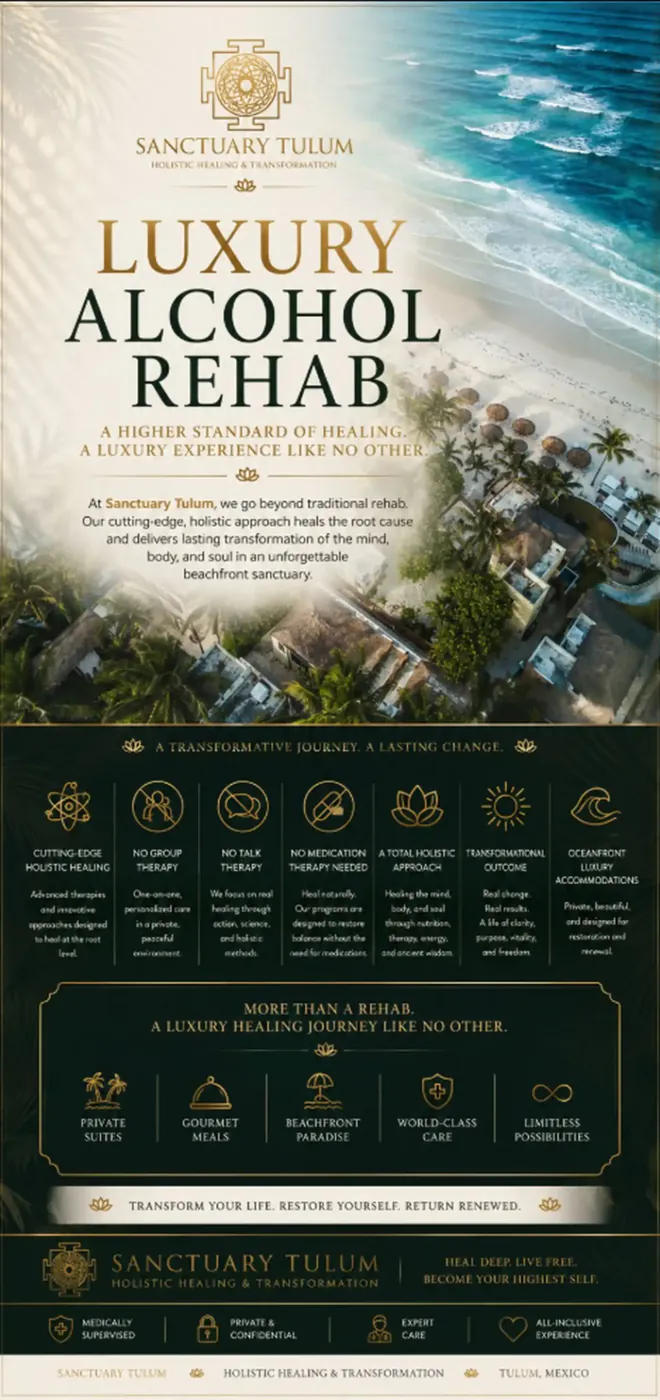
It is easy to be cynical about coastline photography in treatment marketing, and often correct. But a few specific features of a natural environment do real work during alcohol recovery, and they are worth separating from the scenery.
The first is daylight. Circadian rhythm is heavily disrupted by prolonged drinking, and morning light exposure is one of the more reliable ways to re-anchor it. Guests who spend the first hours of the day outdoors typically report faster improvement in sleep timing than those who do not.
The second is movement. Walking, swimming and outdoor practice are easier to sustain in a warm, pleasant environment than in a gym, and consistency matters more than intensity in early recovery.

Sleep, light and the circadian problem
Alcohol fragments sleep and suppresses restorative stages of it, and the disruption often outlasts the drinking by weeks or months. The U.S. Centers for Disease Control and Prevention documents the breadth of alcohol's physical effects, and sleep sits underneath most of the recovery from them.
Light, temperature, quiet and routine are the levers available. A setting where sunrise is easy to be present for, where the afternoon invites movement and where evenings are dark and quiet does more for that problem than any supplement.

Stress physiology and open space
Research on natural environments and stress markers is suggestive rather than definitive, and should be described that way. What is consistently reported is subjective: people describe lower arousal, easier breathing and a reduction in the sense of being pursued by obligations.
For someone whose nervous system has been chemically sedated every evening for years, that reduction is not trivial. It is the state in which therapeutic work becomes possible.
The coastline does not treat anything. It makes the daily practices that do — sleep, light, movement, stillness — much easier to sustain.
Sanctuary Tulum
What the environment contributes
And what it cannot substitute for.
Morning light
Helps re-anchor circadian rhythm disrupted by prolonged drinking.
Outdoor movement
Sustainable, low-intensity activity that supports sleep and mood.
Quiet
Reduces sensory load during a period of heightened sensitivity.
Water
Swimming and cold immersion for autonomic regulation, where medically cleared.
Separation
Physical distance from the cues that maintained the drinking.
Not a substitute
Withdrawal management, medical care and therapy remain the treatment.
Cenotes, water and cold exposure
The Yucatán Peninsula adds one feature that is genuinely distinctive: cenotes, the freshwater sinkholes carved through the limestone bedrock, fed by one of the largest underground river systems in the world. Guests describe time spent in them as among the more grounding parts of the stay.
We are careful not to make clinical claims about that. What we can say is that immersion, cold exposure and quiet water are used deliberately, are medically cleared before anyone participates, and are scheduled around where a guest is in their recovery rather than offered on arrival.
The same caution applies to everything in this category. It is supportive, it is low-risk, and it is not the treatment.

How it fits with the clinical program
None of this replaces the medical spine of the program: physician-supervised withdrawal, monitoring, nutritional correction and one-to-one therapeutic work. The National Institute on Alcohol Abuse and Alcoholism treats alcohol use disorder as a medical condition, and the environment is arranged around that rather than in place of it.
Our luxury alcohol treatment center page covers the clinical program, and cold plunge therapy and yoga therapy describe how the outdoor elements are used.
Where to read next
A last honest note: environment is also the most easily faked part of this industry. A photograph of a coastline is cheap. Physicians on site overnight are not.
Sanctuary Tulum is a licensed luxury rehab for mental health and medical facility operating since 2011. Use the setting as a reason to stay long enough, and judge the program on its staffing.
Taking the environment home
The obvious limitation of an environment-led argument is that guests do not stay in it. Whatever the coastline contributes, it ends at the airport, and the person returns to a city, a winter, a commute and a schedule that never accommodated any of this.
Which is why we treat the environmental elements as habits to be learned rather than experiences to be enjoyed. Morning light exposure works in a northern city in February, though it takes more deliberate effort. Cold exposure is available in any shower. Outdoor movement does not require a beach; it requires a decision made the night before.
The discharge plan states these specifically: what time to be outside, what movement to do and when, how to protect the last hour before sleep, and what to substitute for the evening ritual that alcohol used to occupy. Vague advice to spend time in nature helps nobody.
Guests who keep those habits describe them as unglamorous and load-bearing — the difference between a recovery that depends on continued willpower and one that runs on structure. That is the real contribution of the environment: not the weeks spent in it, but the practices learned there. Our luxury rehab center page explains how the plan is built.
What the research can and cannot claim
It is worth being precise about the limits of this research area. Studies linking natural environments to lower stress markers are frequently small, self-reported, and difficult to control for the many other variables present in a residential treatment setting — better sleep, better food, reduced access to alcohol, and daily clinical attention all change at the same time as the scenery. None of that makes the environmental effect fictional, but it does mean the setting should be described as supportive rather than curative.
The honest framing is additive: a good environment does not create recovery on its own, and a poor one does not prevent it, but a well-designed setting removes friction from the daily practices — sleep, movement, quiet — that do have a more direct evidentiary basis in early alcohol recovery.