Alcohol · Guide
Luxury Alcohol Rehabs: Healing in Comfort
Comfort is easy to dismiss as indulgence. During alcohol withdrawal and the weeks after it, several parts of it are genuinely clinical.

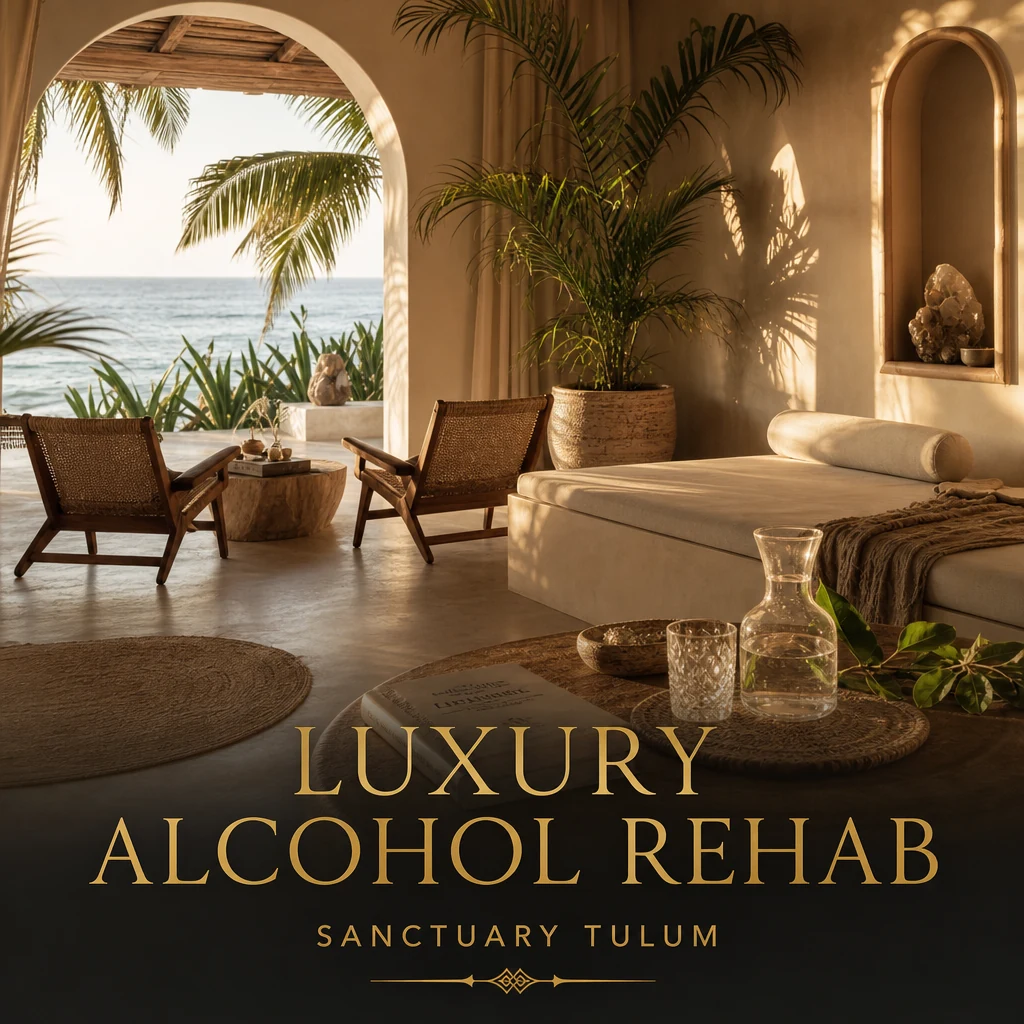
There is a reasonable scepticism about luxury in treatment. If the clinical work is what matters, why does the thread count? The honest answer is that most of the luxury is not clinical — and that a few specific elements of it are, and those are the ones worth paying for.
Sleep is the clearest example. Alcohol profoundly disrupts sleep architecture, and sleep is often the last thing to normalise in recovery. A private, quiet, dark, temperature-controlled room is not a perk in that context; it is the difference between four broken hours and seven consolidated ones. The U.S. Centers for Disease Control and Prevention documents how widely excessive drinking affects physical health, and sleep sits underneath most of that recovery.
The second is census. Small numbers are what make an individual daily schedule possible. That is a staffing cost, and it is most of what the price of a high-end program actually reflects.

Privacy as a clinical variable
Shared rooms and shared schedules are the norm in conventional residential care because they are efficient. They also mean disrupted sleep, limited control over the day, and the requirement to disclose your situation to people you did not choose.
For guests whose drinking has been private — and for many professionals, it has been private for years — that requirement is itself a barrier to seeking help. Removing it is not vanity. It is the reason some people come at all.
What comfort does not do
Comfort does not treat alcohol use disorder. Physicians, time, individual therapeutic work and a plan for afterwards do. A beautiful facility with thin medical staffing is a worse choice than a plain one with physicians on site, and the National Institute on Alcohol Abuse and Alcoholism framing of alcohol use disorder as a medical condition is the right lens to apply when comparing.
It also does not shorten anything. Withdrawal takes the time it takes, and the physical restoration that follows takes weeks. Any program suggesting that a better setting compresses that timeline is selling something.
Pay for the staffing ratio, the medical presence and the quiet. Everything else on the brochure is optional.
Sanctuary Tulum
What genuinely changes outcomes
And what is simply pleasant.
Physician presence
On site, including overnight during the acute phase.
Small census
Makes a genuinely individual daily schedule possible.
Private, quiet rooms
Protects sleep, which underpins most physical recovery.
Length of stay
Set by assessment, not by an insurance authorisation.
Nutrition
Corrects real deficiencies common after prolonged drinking.
Aftercare
Written, specific, and shared with a physician at home.

Days that are structured rather than filled
The hours that drinking used to occupy have to go somewhere. Days at Sanctuary Tulum are structured around clinical sessions, bodywork, movement, meditation, infrared sauna, sunlight, food and rest — not because every element is individually evidenced, but because a structured day is easier to sustain than an empty one.
Guests often describe this as the first period in years in which nothing was required of them except recovery. That is worth something, and it is more than the sum of the amenities.
Where to read next
If you want the clinical detail, the luxury alcohol treatment center page sets out the program and programs and pricing explains what a stay includes. If you are in immediate difficulty and still deciding, the SAMHSA National Helpline is free and confidential.
Sanctuary Tulum is a licensed luxury mental health rehab and medical facility with physicians on site, operating since 2011. Judge any program by its staffing and its honesty first; let the setting be the reason you can stay long enough to finish.
What the first three weeks feel like
Guests often ask what the experience is actually like day to day, and the honest description is unremarkable in the best sense. The first week is medical: monitoring, fluids, sleep, food, very little demanded. Most people sleep more in that week than they have in years, and the fatigue that follows heavy drinking is often the first thing they notice lifting.
The second week is usually where mood becomes unpredictable. Sleep is improving but not stable, appetite returns, and feelings that alcohol had been muting arrive without warning. This is normal and it is temporary, and knowing that in advance makes it far easier to sit through. It is also the week in which one-to-one contact matters most.
By the third week, most guests describe a settling. Sleep is more consolidated, the physical work — movement, sauna, bodywork, sunlight — becomes something they want rather than tolerate, and the therapeutic conversations get deeper because there is finally capacity for them.
Beyond that, the shape depends entirely on the person. Some guests are ready to plan a return home at six weeks; others need three months. The comfort of the setting is what makes staying the longer option feel possible rather than punitive, and that is the strongest practical argument for it.