
In brief: Alcohol is one of the few substances where withdrawal itself can be medically dangerous, which makes the clinical structure of a program — not its finishes — the first thing to evaluate. This article walks through how private, luxury alcohol recovery programs are actually built: withdrawal risk and supervision, nutritional repair, the one-to-one care model, program length, relapse prevention, and what drives the cost. Educational only; not medical advice.

Why Alcohol Is Treated Differently From the Start
Among the substances that bring people into treatment, alcohol occupies an unusual position: stopping it abruptly, without medical management, can itself be dangerous. Unlike stimulant or cannabis withdrawal, which is typically uncomfortable but not life-threatening, alcohol withdrawal in a person with significant physical dependence can progress to seizures and delirium tremens, a severe confusional state that carries a real risk of death if unmanaged.
That single fact reshapes what a legitimate luxury alcohol rehab program has to include before anything else. Design, setting, and amenities are downstream decisions. Whether a program can safely manage a person's specific withdrawal risk is the decision that determines whether the rest of the program is even reachable. A private setting is genuinely valuable for many clients — for confidentiality, for reduced disclosure pressure, for a calmer physical environment — but it is a benefit layered on top of medical capability, not a substitute for it.
For an overview of how our own program is structured around that principle, see our luxury alcohol rehab program.
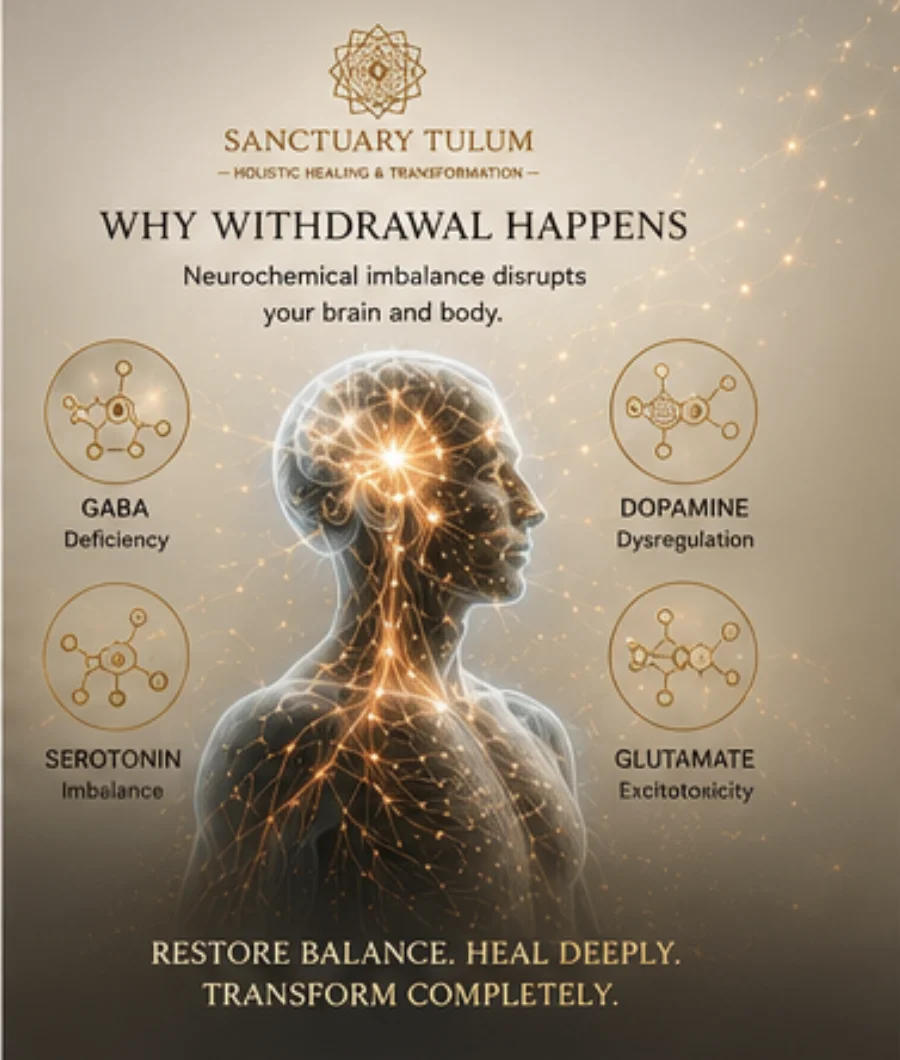
Medical Supervision of Withdrawal: The Non-Negotiable Baseline
Clinical guidance treats alcohol withdrawal on a spectrum of severity, and a proper assessment — including history of prior withdrawals, quantity and duration of use, and any co-occurring medical conditions — determines what level of monitoring a specific person needs. Mild cases may be managed with close outpatient-level monitoring; more significant histories generally warrant inpatient medical supervision, often with medication protocols such as benzodiazepines used specifically to prevent seizures and manage symptoms under a physician's direction.
A luxury alcohol rehab program worth its price should be able to answer, specifically: who assesses withdrawal risk on admission, who is the supervising physician and what are their credentials, whether nursing coverage is available overnight (when withdrawal symptoms are often at their worst), and which health authority licenses the facility to provide medical detoxification. Sanctuary Tulum is licensed by COFEPRIS, Mexico's federal health regulator, and our medical oversight structure is described on the medical review board page.
A beautiful property that cannot staff a middle-of-the-night medical event is the wrong choice for a client whose history suggests one is possible. This is the single question to resolve before any other comparison between programs.
Thiamine and Nutritional Repair: A Specific Medical Step, Not a Wellness Add-On
Chronic heavy alcohol use commonly causes thiamine (vitamin B1) deficiency, through a combination of poor dietary intake, impaired absorption, and increased metabolic demand. Left uncorrected, thiamine deficiency in this population carries a specific and serious risk: Wernicke encephalopathy, a neurological emergency that can progress to Korsakoff syndrome, a form of lasting memory impairment, if not treated promptly. Clinical guidance recommends thiamine repletion — commonly given before or alongside glucose administration — as a standard, early part of alcohol withdrawal management, not an optional wellness extra.
This is worth naming explicitly because it sits at the intersection of two things marketed separately in the luxury segment: medical detox and "nutritional support." In a properly structured program, thiamine and broader nutritional repletion are part of the medical detox protocol itself, ordered and monitored by the physician managing withdrawal — not a general wellness menu offered independently of that oversight. Ask specifically whether thiamine repletion is a standard, physician-ordered part of the admission protocol.
Broader nutritional rebuilding continues well past the acute withdrawal window. Long-term heavy drinking is frequently associated with additional micronutrient deficiencies and disrupted appetite regulation, and a structured nutrition plan coordinated with the medical team supports the body's broader recovery during and after detox.

The One-to-One Model, and Why Some Clients Specifically Need It
Conventional alcohol treatment is very often built around group therapy, and group-based models have real, well-documented value for many people — shared experience and peer accountability are genuinely therapeutic for a large share of clients. But group programming assumes a client is willing to disclose openly in front of peers, and for a specific and sizeable group of people, that assumption is the barrier that keeps them out of treatment altogether.
Executives, physicians, attorneys, and public figures with professional exposure to disclosure risk are the most obvious example, but the same dynamic applies to anyone whose candor is inhibited by an audience, including people carrying trauma connected to their drinking. A private, one-to-one clinical model removes the audience. It replaces a fixed group curriculum with individually scheduled clinical time — often several hours a day with a licensed clinician, one-on-one — built around that specific person's history rather than a standard week common to everyone in the building.
Neither model is universally superior; the honest answer is that they suit different people. What matters is knowing, before admission, which one a program is actually structured to deliver, because "private" and "individualized" are used interchangeably in marketing even though only one of them describes the treatment model itself.

Bodywork and Nervous-System Support During Early Sobriety
Early alcohol recovery is physically demanding — disrupted sleep, anxiety, and general nervous-system dysregulation are common in the weeks after drinking stops, even once acute withdrawal has resolved. Bodywork, massage, yoga, and breathwork are frequently included in luxury alcohol programs as adjuncts that support this recovery window, and there is reasonable evidence that structured relaxation and movement practices can help with the stress and sleep disruption common in this period.
These modalities are meaningfully additive to a program but are not a substitute for medical or psychological treatment of the underlying alcohol use disorder. A program should be able to describe clearly how bodywork and wellness programming are coordinated with — not counted in place of — the clinical hours a client receives.

How Long a Private Alcohol Program Actually Runs
Medically supervised alcohol detox on its own commonly runs roughly five to seven days, though the exact course depends on the severity of withdrawal and any complicating medical conditions. Detox alone, however, addresses the acute physical risk of stopping drinking — it is not equivalent to treatment of the underlying alcohol use disorder, which typically requires a longer residential or structured outpatient period afterward.
Full residential alcohol programs are more often measured in weeks than days, and the clinical literature broadly associates longer engagement in treatment with more durable outcomes, though no specific duration guarantees any result for any individual. A serious program will base length of stay on ongoing clinical assessment rather than selling only a single fixed-length package, and should be transparent about how that decision is made and revisited as treatment progresses. Related detail is available in our alcohol detox timeline guide.
Relapse Prevention: What Should Be Built In, Not Sold Separately
Relapse prevention planning should be developed throughout treatment, not assembled at the last minute before discharge. A substantive plan generally identifies a client's specific triggers and drinking patterns, builds concrete coping strategies tied to those triggers, and establishes a defined follow-up structure — who provides ongoing care, how often, and for how long — before the client leaves.
Continuity of care after a treatment episode is one of the more consistently supported findings in the addiction treatment literature, and a program's discharge plan is where that principle either shows up in practice or doesn't. Ask, specifically, whether relapse-prevention planning and a stated aftercare structure are included in the program's stated cost, or offered afterward as a separate purchase.
For clients managing a longer taper off other medications alongside alcohol treatment, that process should be physician-managed and planned for well in advance rather than compressed into the final days of a stay, given how medically significant certain discontinuations can be.

What the Cost of Luxury Alcohol Rehab Actually Reflects
Published rates for private, luxury alcohol programs in the United States frequently span from the tens of thousands to well over $100,000 for a full stay, and the spread within that range tracks staffing and medical infrastructure more than it tracks the property. The specific cost drivers in a genuinely individualized program are physician time, round-the-clock nursing coverage during detox, one-to-one clinical staffing that only functions with a small client census, nutritional and thiamine repletion protocols, and laboratory monitoring where indicated.
A program that is luxury-finished but delivers a conventional group curriculum has a very different cost structure underneath the same sticker price — the spending sits mostly in real estate, food, and marketing rather than clinical staffing. This is why the useful question is never simply "how much," but what specifically the quoted rate includes, and what is billed separately: medications, labs, medical therapies, extended stays, and aftercare. A fuller breakdown of these factors is in our guide to alcohol rehab cost.

Putting the Pieces Together
A luxury alcohol rehab program worth the name is defined by a specific set of clinical facts: a documented withdrawal-risk assessment, a named supervising physician with overnight availability, standard thiamine and nutritional repletion built into the medical protocol, a genuinely individualized (not merely private) clinical model, a length of stay set by clinical progress rather than a fixed package, and a relapse-prevention and aftercare plan included in the cost rather than sold afterward. Setting and amenities are real, valid preferences — they are simply a separate question from all of the above.
You can review how our own program addresses each of these on our luxury alcohol rehab page, or explore related coverage on high-end luxury alcohol rehabs and holistic alcohol treatment. If you'd like to talk through a specific situation, you can speak with our clinical team.
A Closing Note
Editorial note: This article is educational and does not constitute medical advice, diagnosis, or a treatment recommendation, and it makes no claims about outcomes for any individual. Alcohol withdrawal can be medically dangerous and should always be assessed and managed by a licensed physician; do not attempt to stop drinking abruptly without medical guidance if you have a significant or long-standing history of alcohol use. Anyone with questions about their own health should consult a qualified clinician.
References
- StatPearls / National Center for Biotechnology Information. Alcohol Withdrawal Syndrome.
- StatPearls / National Center for Biotechnology Information. Wernicke-Korsakoff Syndrome, on thiamine deficiency and repletion in chronic alcohol use.
- National Center for Biotechnology Information. Clinical research on thiamine and nutritional repletion protocols in alcohol withdrawal management.
- National Center for Biotechnology Information. Research on continuity of care and relapse prevention following alcohol use disorder treatment.
- National Institute on Drug Abuse. Principles of Drug Addiction Treatment: A Research-Based Guide (Third Edition) — on treatment retention and individualized planning.
- COFEPRIS (Comisión Federal para la Protección contra Riesgos Sanitarios) — Mexico's federal health regulatory agency.