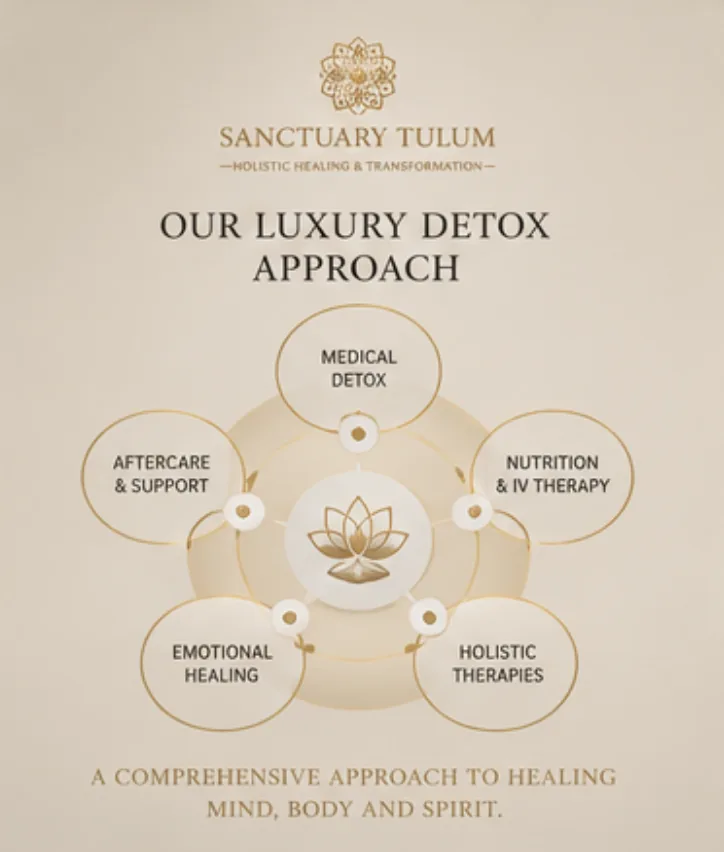
The most effective detox programs combine clinical medical expertise with holistic healing modalities. Here's why this integrated approach produces better outcomes.
The Limits of Medical-Only Detox
Conventional medical detox focuses solely on managing physical withdrawal. While medically necessary, it leaves the emotional, psychological, and spiritual dimensions of addiction untouched — setting the stage for relapse.
The Holistic Dimension
At Sanctuary Tulum, we integrate breathwork, cold plunge therapy, meditation, energy healing, and gentle movement alongside medical protocols. These practices regulate the nervous system, process stored trauma, and begin the spiritual reconnection that sustains long-term recovery.
Advanced Therapies in Luxury Detox
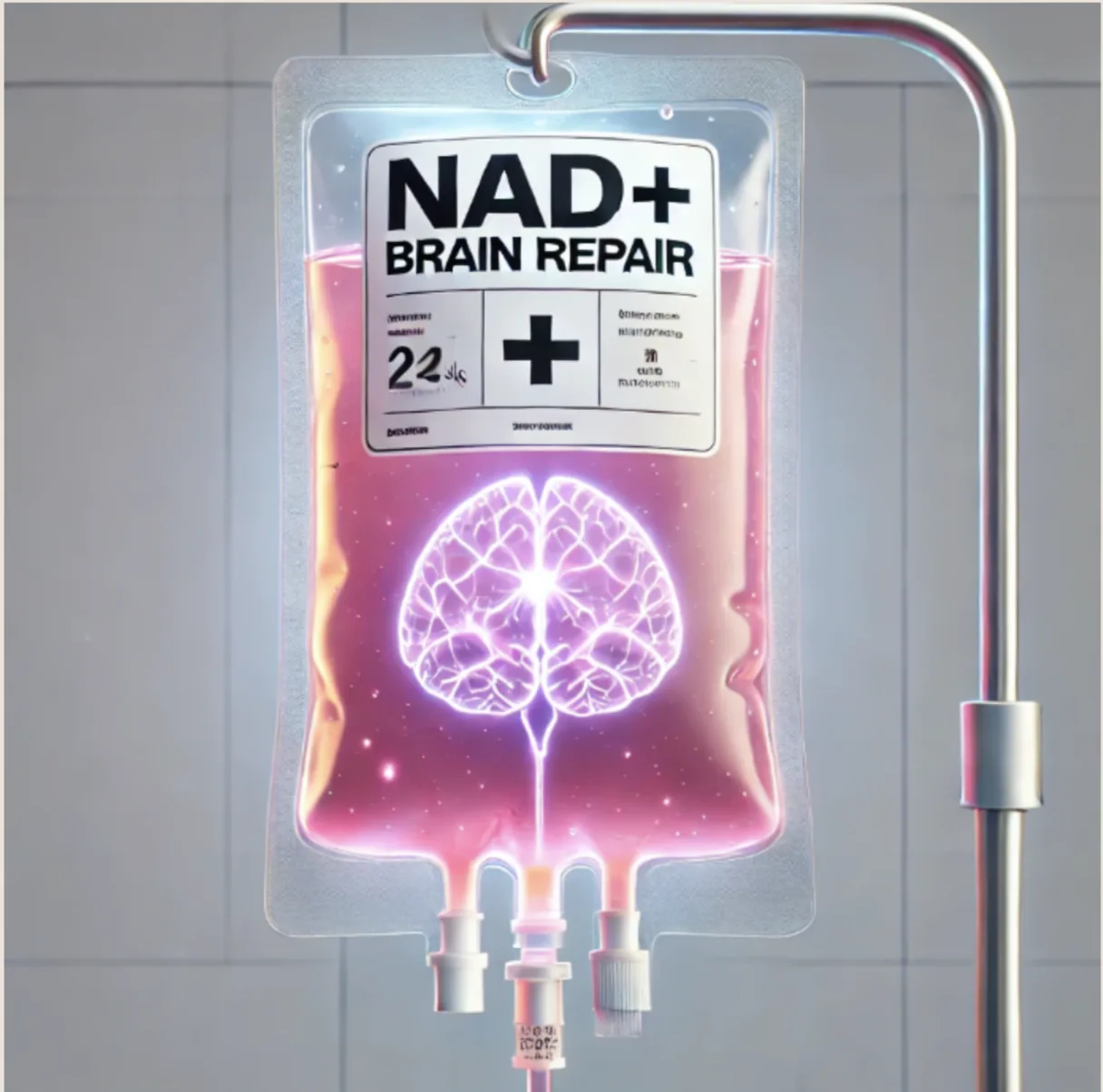
NAD+ IV therapy repairs neurochemistry while eliminating cravings. Stem cell treatments accelerate cellular healing. Hyperbaric oxygen boosts brain recovery. These aren't alternatives to medical detox — they enhance it, creating a detox experience that heals at every level.
Setting the Stage for Transformation
When medical and holistic approaches work together during detox, patients are better prepared for the deeper healing work that follows — whether that's medically supervised ibogaine treatment, ayahuasca ceremonies, or extended stay at our luxury residential rehab. This is especially critical for those withdrawing from benzodiazepines — our benzodiazepine withdrawal program uses the proprietary Brain Repair IV Drip Protocol to repair GABA receptor damage naturally.
What 'Holistic Medical Detox' Actually Means
Medically supervised withdrawal management per SAMHSA TIP 451 and, for alcohol, ASAM guidance,2 combined with regenerative and somatic protocols — NAD+, amino acid IV, glutathione, hyperbaric oxygen, red light, targeted nutrition, and breathwork. The 'holistic' framing does not replace the medical piece; it sits alongside it under the same clinical roof and the same physician oversight.
Where This Model Genuinely Helps
Guests coming off long-term SSRI, benzodiazepine, or opioid use often present with fatigue, cognitive dysfunction, and sleep disruption that persist well beyond acute withdrawal. Restorative IV therapy and HBOT are not a substitute for supervised tapering — they are added on top of it to shorten the post-acute window. Benzodiazepine tapers in particular follow individualized schedules informed by the Ashton framework3 and are planned in advance, not decided arrival week.
Honest Boundaries
Regenerative modalities do not cure addiction, and Sanctuary Tulum does not present them that way. What they do is reduce the collateral biological damage of long-term substance use, so that the psychological and integration work of rehab has better raw material to work with. Discharge planning and structured aftercare complete the arc. Related: luxury detox process, holistic rehab vs medication.
Integration Into the Broader Program
Detox is not the destination — it is what makes the rest of the program possible. Once acute withdrawal has resolved, guests move into individualized clinical work covering trauma, nervous system regulation, nutrition, and (where indicated and cleared) plant medicine ceremonies. The transition is designed to be seamless rather than a hand-off between separate teams.
Discharge planning begins mid-stay and includes a written aftercare plan, referrals for continued clinical support, and a maintenance protocol tailored to the presenting concern. See Pouyan Method™ for the overarching framework.
Where Holistic Belongs — and Where It Does Not
Holistic modalities — IV nutrient protocols, HBOT, red light, bodywork, breathwork, nutrition, sauna — are effective adjuncts. They are not a replacement for physician-led medical detox in alcohol, benzodiazepine, or opioid withdrawal. Any program that markets a "natural detox" for those substances without physician oversight is describing a business model that carries real medical risk.
Sanctuary Tulum's model is explicit about the sequence: physician-led detox for the acute withdrawal window, with holistic modalities layering in as clinical stability allows. That order is not stylistic; it is what makes the holistic tools clinically useful rather than a distraction.
Adjunct Modalities and What Each One Actually Contributes
NAD+ IV supports mitochondrial recovery and has a modest but reproducible signal in reducing early-recovery fatigue and cognitive fog. Glutathione and vitamin C IVs support the antioxidant systems that are depleted in chronic substance use. HBOT is used for tissue and cognitive recovery in the sub-acute window. Red light supports sleep architecture and mitochondrial function. Colon hydrotherapy is used selectively where GI stasis or opioid-related dysmotility is part of the picture.
None of these tools do the work alone. Together, with detox handled properly first, they meaningfully compress the recovery window. Related: NAD+ IV therapy.
References
- Center for Substance Abuse Treatment. "Detoxification and Substance Abuse Treatment." SAMHSA TIP 45. Rockville, MD: SAMHSA; 2015.
- American Society of Addiction Medicine. "ASAM Clinical Practice Guideline on Alcohol Withdrawal Management." 2020.
- Ashton CH. "Benzodiazepines: How They Work and How to Withdraw" (The Ashton Manual). University of Newcastle upon Tyne; 2002.
For the full program overview, read about our holistic treatment center.