
Most benzodiazepine programs approach dependency as a detox problem: get the drug out, manage the acute symptoms, and discharge. A holistic program treats it as a nervous-system problem — one that developed over months or years of GABA-A receptor adaptation and requires equally sustained care to reverse. This article describes what a physician-supervised, holistic benzodiazepine program looks like in practice, and how it differs from the standard rapid-detox model. It is educational only and not medical advice.
Why Rapid Detox Fails for Benzodiazepines
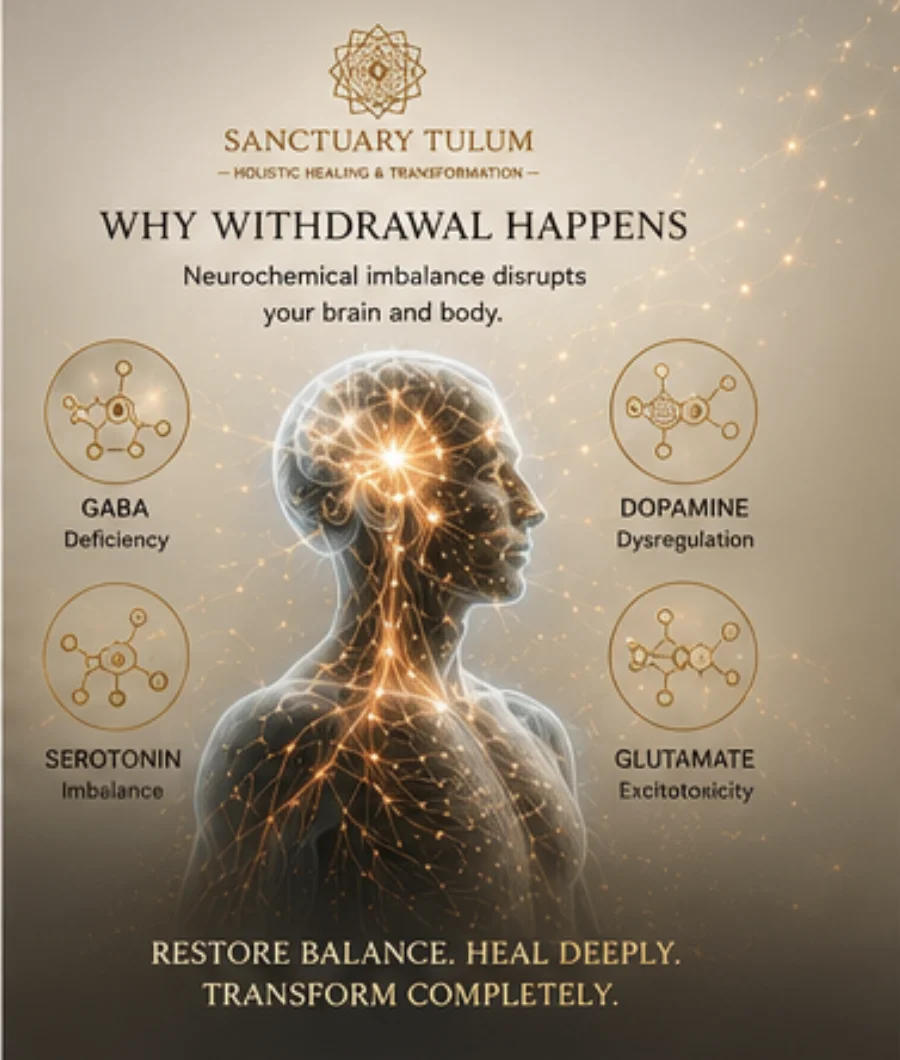
Benzodiazepines act on GABA-A receptors, and long-term exposure produces receptor downregulation and glutamatergic upregulation. When the drug is removed too quickly, the nervous system loses inhibitory tone before it can rebuild it — the neurobiological basis for the seizures, insomnia, and severe anxiety documented in FDA labeling for the entire class. A 5- to 10-day detox cannot reasonably restore months or years of receptor adaptation. This is why relapse rates after rapid benzodiazepine detox are high and why protracted withdrawal is a well-recognized clinical phenomenon in the literature (Ashton, British Journal of Addiction, and later updates).
The Case for a Slow, Individualized Taper
The most widely cited clinical guidance on benzodiazepine discontinuation — Professor Heather Ashton's benzodiazepine withdrawal research at Newcastle University — emphasizes that the taper should be dictated by the patient, not the calendar. Reductions of 5–10% every 1–2 weeks are common in Ashton-style protocols, with pauses when symptoms flare. The FDA's 2020 class-wide Boxed Warning update similarly directs prescribers to use gradual tapering to reduce the risk of acute withdrawal reactions.

What "Holistic" Adds to the Taper
A holistic program layers non-pharmacologic support onto the taper:
- Amino-acid and micronutrient support: targeted magnesium, glycine, taurine, B-vitamin, and amino-acid protocols to support GABA and glutamate metabolism.
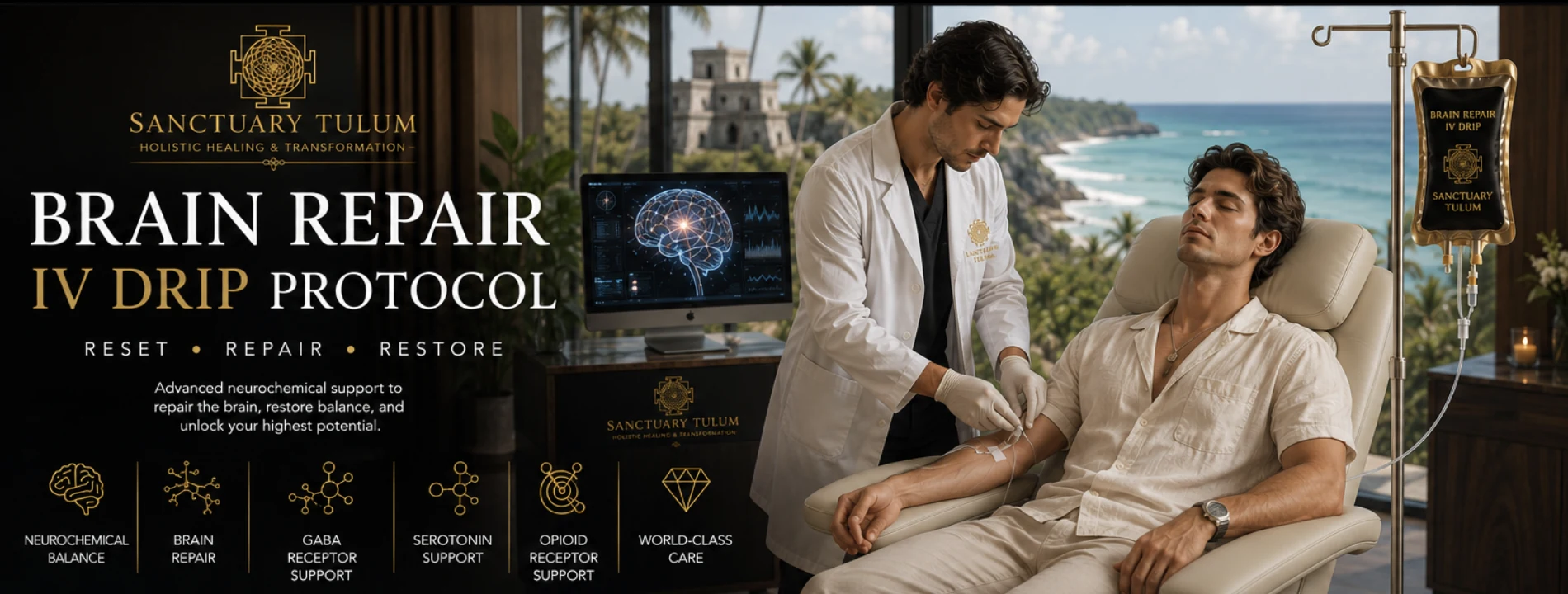
- Neuro-restorative IV therapy: the proprietary Brain Repair IV Drip Protocol, plus NAD+ IV therapy.
- Hyperbaric oxygen: daily HBOT sessions to support neuroplasticity and reduce neuroinflammation.
- Somatic and trauma-informed care: breathwork, bodywork, and nervous-system regulation practices rather than group therapy or replacement drugs.
- Sleep architecture restoration: non-pharmacologic sleep support — the single most predictive factor for taper tolerability.
- Nutrition: a 100% organic, anti-inflammatory diet to support cellular recovery.
Continuous Physician Supervision
Every guest at Sanctuary Tulum is medically screened at intake and monitored throughout the taper. Vital signs, sleep, mood, and symptom emergence are tracked daily; the taper schedule is adjusted in response, not held to a rigid pre-set calendar. This is how a program can safely support high-dose, long-duration benzodiazepine users who would not be candidates for rapid detox.
Where the Drug-Specific Details Live
For the FDA-documented withdrawal profile of each of the three most common benzodiazepines, see the drug-specific companion articles: Xanax (alprazolam) withdrawal, Klonopin (clonazepam) withdrawal, and Valium (diazepam) withdrawal. The holistic-rehab counterparts to each — describing how the taper for each drug is delivered inside a holistic program — are holistic rehab for Xanax, holistic rehab for Klonopin, and holistic rehab for Valium.
Sanctuary Tulum's Holistic Benzodiazepine Program
Sanctuary Tulum has operated a physician-supervised benzodiazepine program since 2011 under a federal health license. Each guest receives a fully individualized taper, one-on-one care with no group meetings, the Brain Repair IV Drip Protocol, daily HBOT, amino-acid and micronutrient support, and somatic therapy — delivered in a private oceanfront setting. The program is described in full on our holistic addiction rehab, benzo withdrawal, and luxury benzo detox pages.
References
- Ashton CH. Benzodiazepines: How They Work and How to Withdraw (The Ashton Manual). Newcastle University. benzoinfo.com/ashtonmanual.
- U.S. Food and Drug Administration. FDA requiring Boxed Warning updated to improve safe use of benzodiazepine drug class (2020). fda.gov.
- Ashton H. Protracted withdrawal syndromes from benzodiazepines. Journal of Substance Abuse Treatment. 1991;8(1-2):19-28. pubmed.ncbi.nlm.nih.gov.
Medical disclaimer: This article is for educational purposes only and does not constitute medical advice, diagnosis, or treatment. Never stop or change a prescribed benzodiazepine without consulting a qualified physician.
For guests carrying both benzodiazepine and alcohol dependency, our program integrates seamlessly with the luxury alcohol rehab program track so both substances are addressed together.