Diazepam — sold as Valium — sits at the intersection of two common dependencies: benzodiazepines and alcohol. Because it is FDA-approved for the management of acute alcohol withdrawal, many guests arriving at Sanctuary Tulum on diazepam originally took it in that clinical context, then developed benzodiazepine dependence alongside residual alcohol use disorder. A holistic program has to plan for both from intake. For the FDA-documented withdrawal profile of diazepam itself — the Black Box Warning on opioid combination, the symptom list, and the severe-case language — see the companion article Valium (diazepam) withdrawal. This article is educational only and not medical advice.
Why Diazepam Is Different
Diazepam has a very long elimination half-life — including its active metabolites (notably desmethyldiazepam), the effective half-life ranges from approximately 20 to 100 hours. This is why diazepam is one of the standard cross-taper agents used to help patients discontinue shorter-acting benzodiazepines such as alprazolam. It is also why diazepam is the workhorse of medically supervised alcohol withdrawal management: its long, self-tapering profile stabilizes the GABA-A receptor system during the highest-risk 48–72 hour window.
Those two facts — long half-life and FDA approval for alcohol withdrawal — mean the guest population arriving on diazepam looks different from those arriving on Xanax or Klonopin. Cross-substance history is common, and the taper must be planned accordingly.
Dual Alcohol/Benzodiazepine Dependency
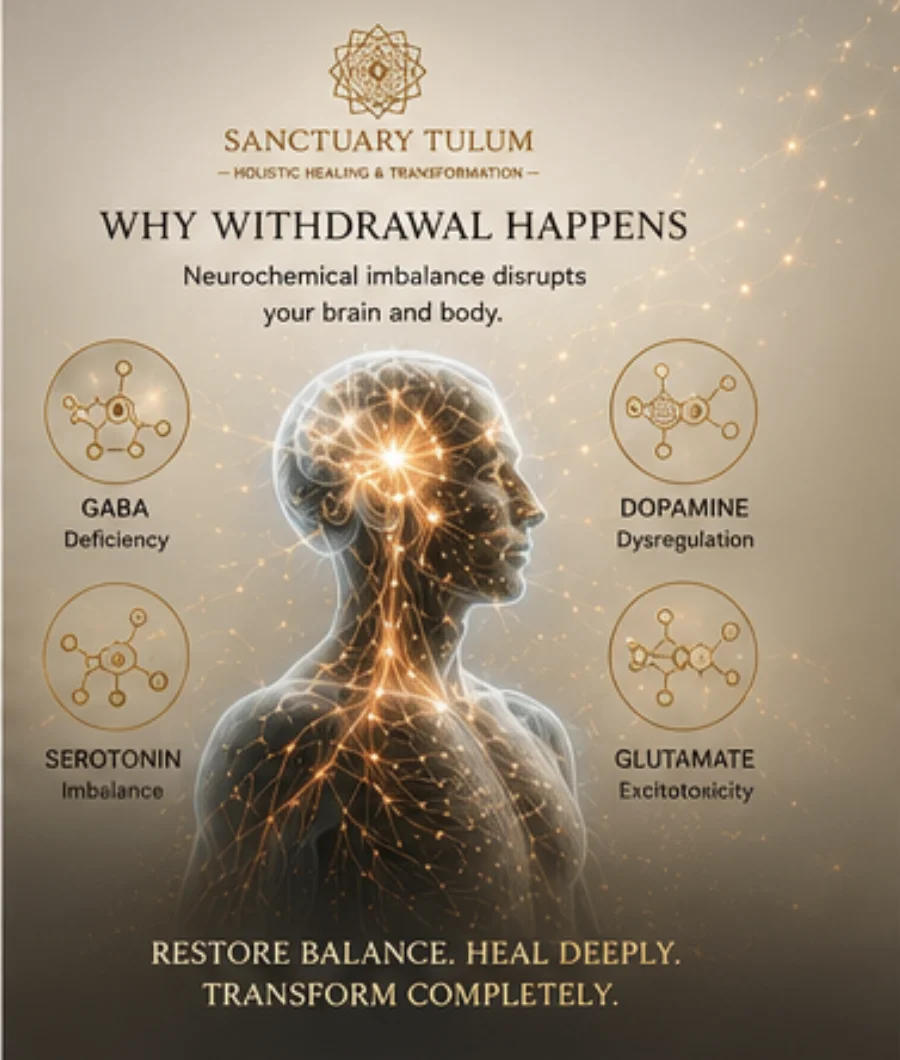
Alcohol and benzodiazepines act on overlapping GABA-A receptor sites. When both are present chronically, receptor adaptation is compounded — and abrupt loss of either can precipitate severe withdrawal. Alcohol withdrawal specifically carries seizure and delirium tremens risk that must be managed medically at intake, well before any benzodiazepine dose reduction begins. A holistic program does not "wait for alcohol to clear" and then start the benzodiazepine taper — the two are planned as one integrated protocol by the attending physician.
The Cross-Taper Context
Some guests arrive on diazepam because a previous provider cross-tapered them from alprazolam or another short-acting benzodiazepine and then stalled the reduction. Others arrive on diazepam as their primary benzodiazepine. Both scenarios are handled inside the same holistic framework: the attending physician sets the taper schedule at intake, adjusts it in response to daily symptom emergence, and does not stack additional psychotropic medications on top.
What the Holistic Program Delivers
- Integrated management of dual alcohol/benzodiazepine dependence from intake
- Individualized diazepam taper calibrated to the guest's dose, duration, and history
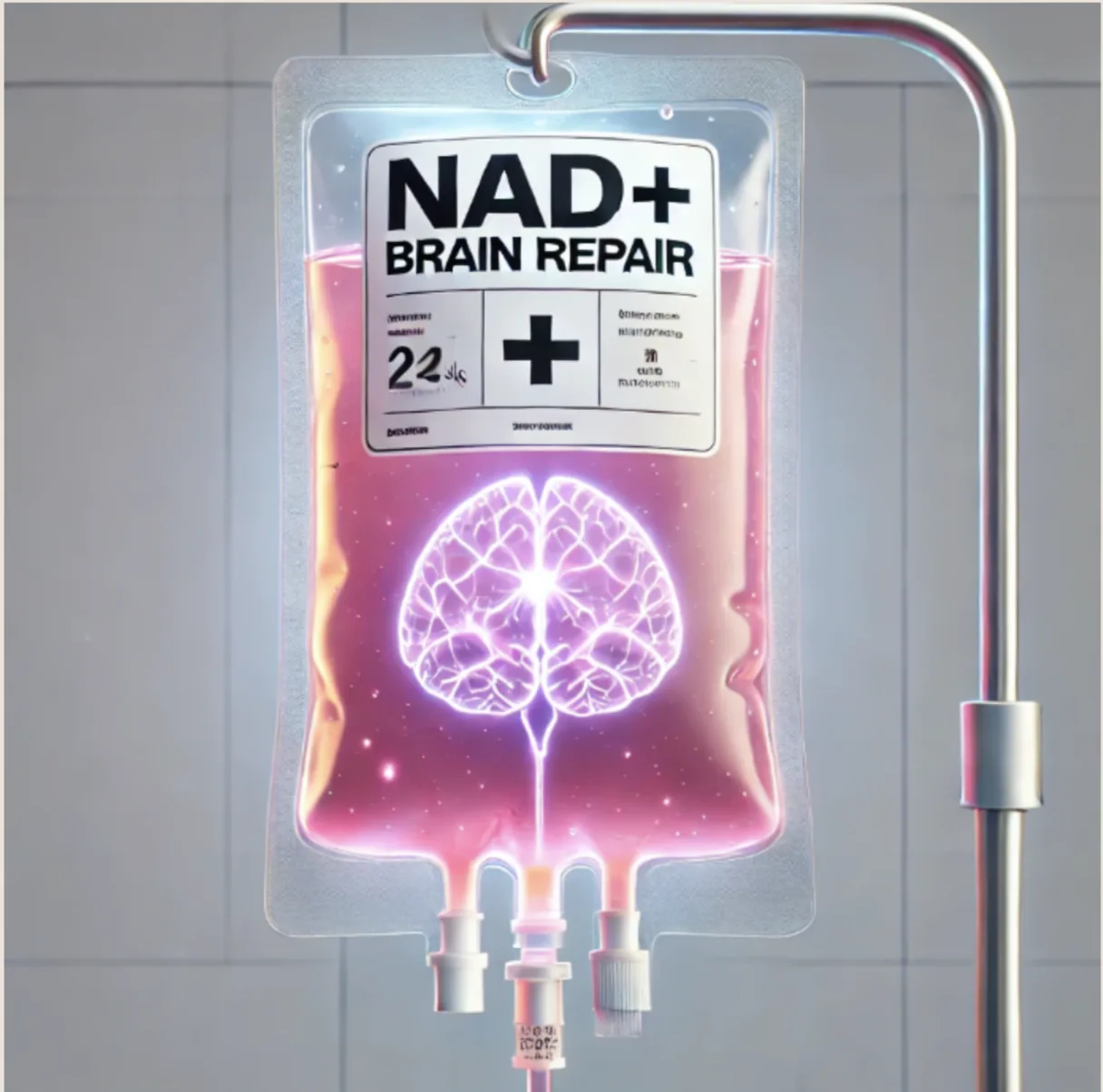
- The proprietary Brain Repair IV Drip Protocol for GABA-glutamate rebalancing
- NAD+ IV therapy — particularly relevant for alcohol-related neurochemical damage
- Daily hyperbaric oxygen therapy
- Amino-acid, magnesium, and thiamine-forward micronutrient support
- Somatic bodywork, breathwork, cold plunge, yoga, and meditation
- Non-pharmacologic sleep restoration
- 100% organic anti-inflammatory nutrition

Sanctuary Tulum's Valium Program
Every guest is medically screened at intake and continuously monitored throughout the taper by the attending physician. Care is delivered one-on-one — no group therapy, no replacement medications, no rushed schedule. The full program is described on our holistic rehab center, benzo withdrawal, and luxury benzo detox pages. For drug-specific holistic companions, see holistic rehab for Xanax, holistic rehab for Klonopin, and the overview at holistic rehab for benzodiazepines.
Sanctuary Tulum has operated a physician-supervised benzodiazepine program since 2011 under a federal health license.
References
- U.S. Food and Drug Administration. Valium (diazepam) tablets — Prescribing Information. accessdata.fda.gov (PDF).
- U.S. Food and Drug Administration. Boxed Warning update for the benzodiazepine drug class (2020). fda.gov.
- Ashton CH. The Ashton Manual: Benzodiazepines — How They Work and How to Withdraw. benzoinfo.com/ashtonmanual.
Medical disclaimer: This article is for educational purposes only and does not constitute medical advice, diagnosis, or treatment. Never stop or change a prescribed benzodiazepine without consulting a qualified physician.
Valium-plus-alcohol dependency is one of the most common presentations we see, and it's treated through our combined benzo and holistic alcohol rehab pathway.