Treatment · Structure
The Advantages of Luxury Rehabilitation Centers
Not marble floors. The advantages that matter are structural: ratios, privacy, medical depth, and time.
"Luxury rehab" is often described in terms of amenities — ocean views, private chefs, architecture. Those things are real, but they are not why the category exists or why it costs what it does. The structural advantages that actually affect a person's recovery are less visible: how many staff are assigned to each guest, how much privacy is available during a vulnerable period, how deep the medical assessment goes, and how much time the program allows before deciding anything is finished.
Understanding these advantages is useful even for people who will never use them, because it clarifies what any program — luxury or not — should be measured against. The Substance Abuse and Mental Health Services Administration notes that treatment quality depends far more on individualization and continuity of care than on setting, which is exactly where the practical advantages of a well-run luxury program tend to concentrate.

Staffing ratio and one-to-one time
The single largest structural difference between a luxury program and a standard one is census. A facility with six to twelve guests and a comparable-sized clinical team can offer daily one-to-one sessions across medical, therapeutic and somatic disciplines. A facility with sixty guests and the same team cannot, regardless of how good the team is.
At Sanctuary Tulum, guests receive more than thirty-five hours of one-to-one clinical and therapeutic work per week, with private accommodations rather than shared rooms. That ratio is the primary lever behind most of what people notice as "personalization."

Privacy as a clinical variable, not a perk
Privacy is usually marketed as a lifestyle benefit, but it functions clinically. People disclose more accurately, and sooner, when they are not worried about being recognized or overheard in a group setting. For executives, public figures, and people in sensitive professions, this alone can determine whether treatment is pursued at all.
A private, non-group model also removes a common source of resistance: the discomfort of processing personal material in front of strangers. That does not make group therapy wrong for everyone, but it does explain why some people avoid treatment entirely until a private option is available.
The advantage of a private program is not comfort for its own sake. It is that people tell the truth sooner.
Sanctuary Tulum
Where the advantages actually concentrate
A useful checklist for evaluating any program calling itself luxury.
Staff-to-guest ratio
Determines real one-to-one hours, not brochure hours.
Medical depth
Labs, imaging, cardiac screening before protocol design.
Length flexibility
Programs built around the person, not a fixed 28-day template.
Aftercare planning
A written plan handed over at discharge, not a phone number.
Environment
Lower ambient stress supports, but does not replace, clinical work.
Confidentiality protocol
Documented, not implied.
Time, and the freedom to extend it
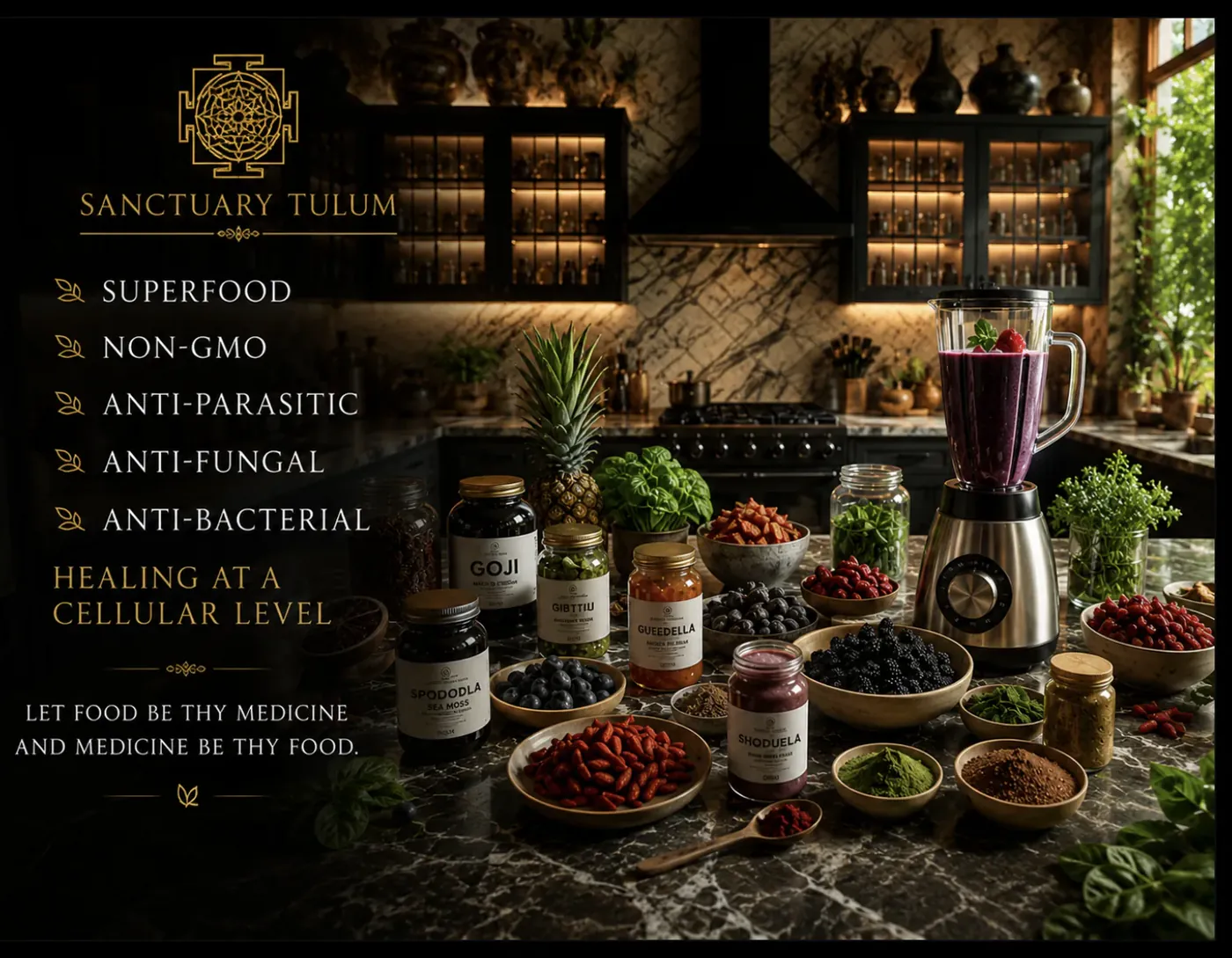
Standard programs are frequently built around insurance-driven timelines — commonly 28 days regardless of what a given person needs. Private-pay luxury programs are not bound to that calendar, which allows length of stay to be set by clinical progress instead. The National Institute on Drug Abuse has long noted that outcomes correlate with adequate treatment duration, and that shorter stays are frequently associated with relapse when the underlying issue was still unresolved at discharge.
This flexibility is genuinely double-edged: it only helps if the program uses the extra time deliberately, with measurable checkpoints, rather than simply extending a stay without a plan.
Diagnostics and individualized protocol design
Because margins allow for it, well-resourced programs can run more comprehensive intake diagnostics — bloodwork, nutritional status, sleep patterns, cardiac and neurological screening where relevant — before designing a protocol. This is the mechanism behind claims of "personalized treatment," and it is worth verifying directly: ask what was measured at intake and how the resulting plan changed as a result.
Sanctuary Tulum builds each guest's plan from this kind of assessment using the Pouyan Method, without group therapy or psychiatric medication, and adjusts the protocol as new information emerges during the stay.
The honest limits of these advantages
None of this guarantees an outcome, and no responsible program will claim that it does. Structural advantages — ratio, privacy, diagnostics, time — improve the conditions under which change is possible; they do not replace the person's own participation. The World Health Organization's guidance on mental health care consistently frames sustained engagement, not setting alone, as the strongest predictor of durable change.
It is also worth being clear-eyed about cost. These advantages are expensive to deliver because they are staff-and-time intensive rather than product-based, and that reality should factor into how a family weighs a private-pay program against other options.
Where to look next
If you are comparing programs, our luxury rehab page outlines admissions and clinical scope, luxury wellness center covers the restorative track, and programs and pricing shows what is included at each level. Related reading includes luxury rehab vs. standard rehab, what luxury rehab costs, and what to expect at intake.
Sanctuary Tulum operates as a luxury mental health treatment center on Mexico's Riviera Maya, with a small guest census and a physician-involved clinical team. You can review our team on the about us page or reach admissions through the contact page.
Comparing programs on the same terms
Because "luxury" is an unregulated marketing term, the only reliable way to compare programs is by structural fact rather than brochure language: guest census, staff-to-guest ratio at each hour of the day, whether the medical team is on-site or on-call, and how length of stay is determined. Two facilities can look nearly identical in photographs and differ enormously on every one of these measures.
It is reasonable, and expected, to ask a facility to answer these questions directly before committing. A program confident in its structure will answer plainly; one that deflects toward amenities is telling you something too.