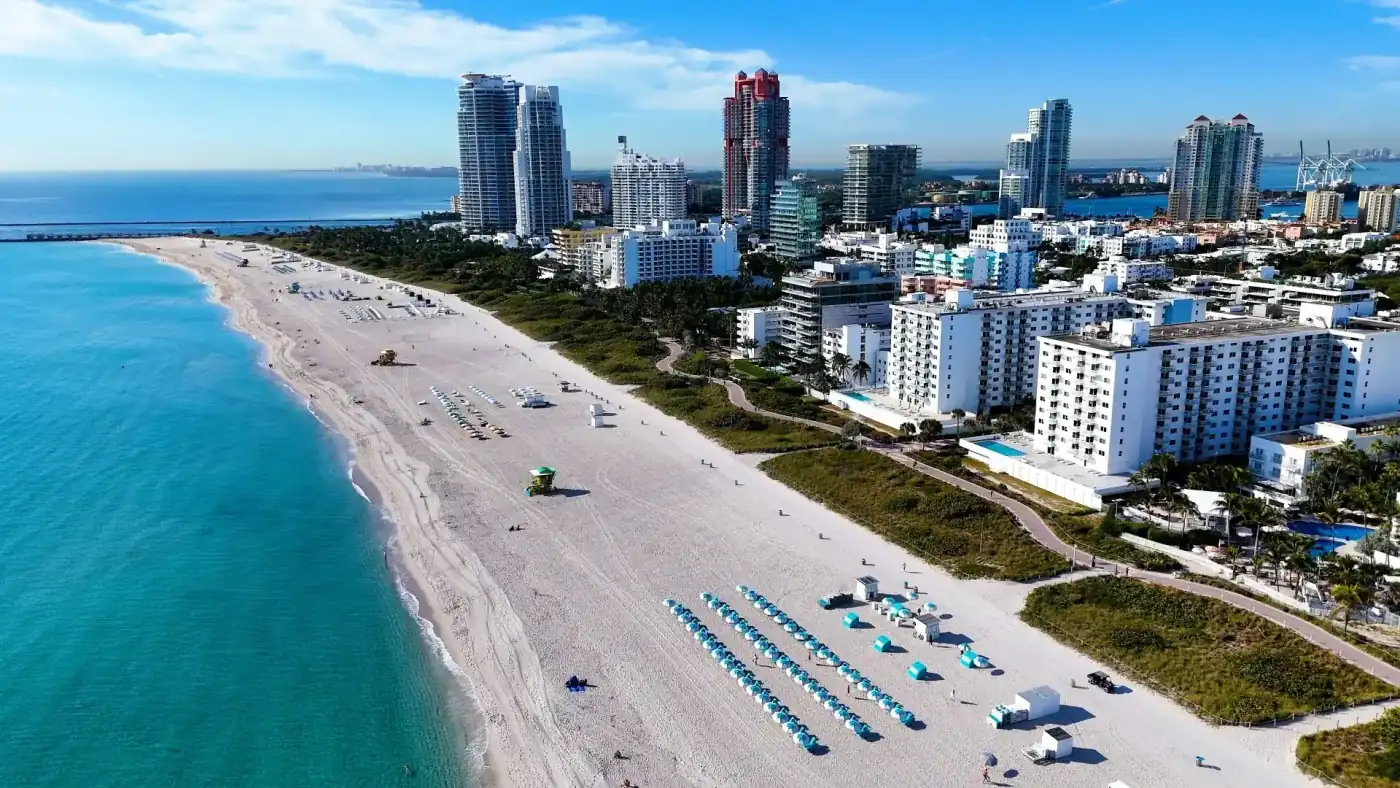
For high-net-worth Florida residents considering where to conduct a residential alcohol rehab, the decision is rarely just about clinical infrastructure — it is also about privacy, pace, and environment. This piece walks through why residents of Pinecrest, Key Biscayne, Palm Beach, Golden Beach, and Parkland — communities consistently ranked among Florida's highest median-household-income ZIP codes per US Census data — are increasingly choosing Tulum, Mexico over an in-state facility.
Why Tulum, Specifically
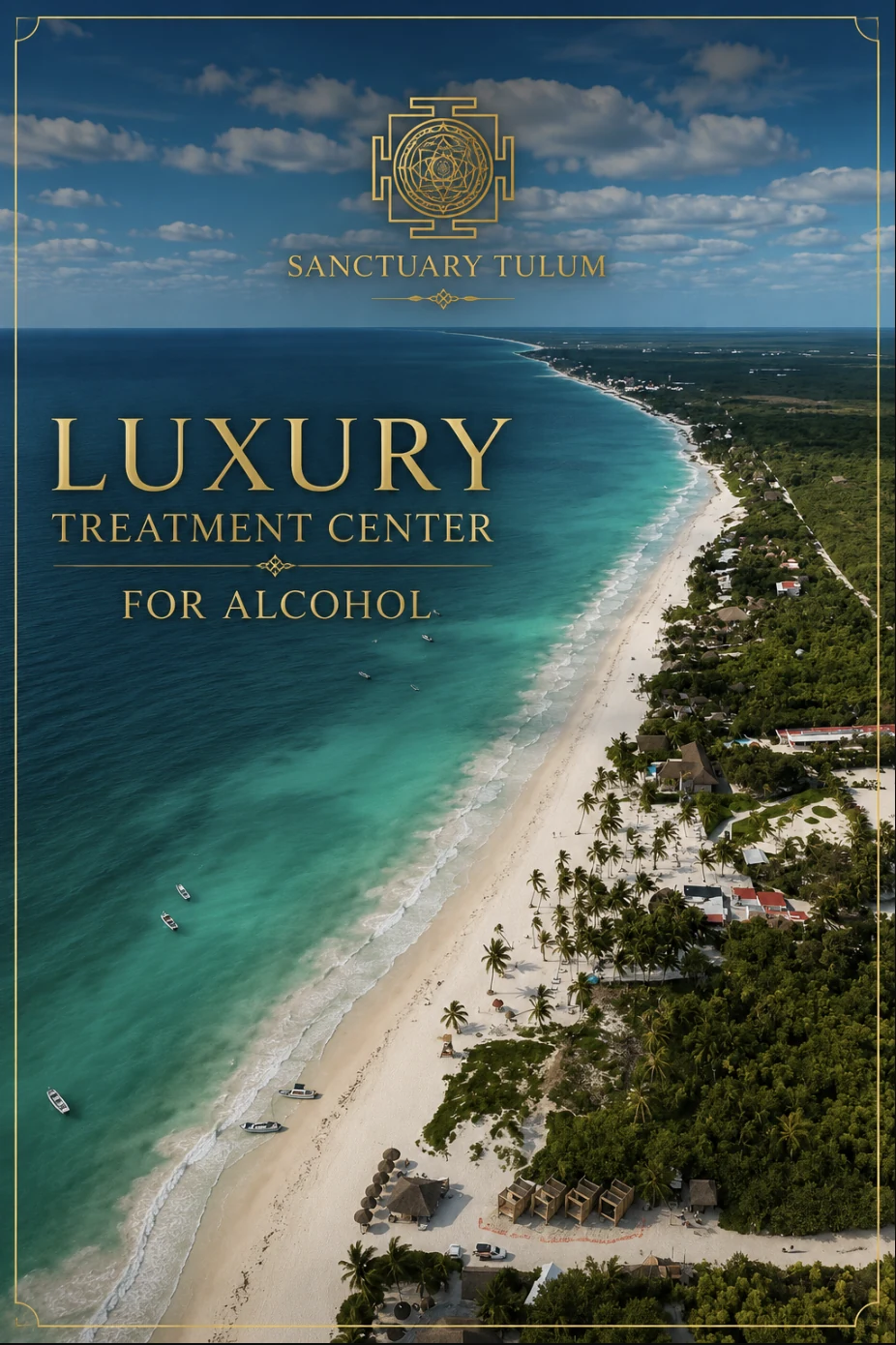
Tulum sits on the Riviera Maya, a stretch of Mexico's Caribbean coast defined by turquoise water, white-sand beaches, and a warm, stable climate year-round. It has become a discreet destination for public figures, executives, and creatives precisely because it is internationally recognized as a luxury getaway while remaining low-density and visually understated — no high-rise skyline, strict coastal building limits, and long stretches of undeveloped jungle behind the beach road. The Yucatán Peninsula is also home to the a large network of freshwater cenotes, sinkholes carved through the limestone bedrock and geologically unique to the region.
For a Florida resident already familiar with warm-water coastlines, Tulum offers a meaningfully different environment (Caribbean vs. Atlantic, jungle behind the beach road, cenotes) — and that environmental change is not incidental. Early alcohol recovery is a nervous-system event as much as a behavioral one, and being physically removed from the cue-heavy home environment reduces the intensity of the first two to four weeks.
Discretion Outside the Florida Network
Florida's wealth communities are socially interconnected. Business, family, and philanthropic circles overlap across Palm Beach, Key Biscayne, Coral Gables, Naples, Boca Raton, Golden Beach, and Pinecrest. Alcohol use disorder in these circles is often carefully undisclosed, and even the most private in-state facility carries a real risk of recognition — a neighbor, a colleague, someone from the same club, board, or school. Traveling to Tulum provides something an in-state option cannot structurally provide: physical distance from those networks during the phase of care where recognition matters most.
The Practical Travel Picture
Direct flights from Miami (MIA) and Fort Lauderdale (FLL) to Cancún (CUN) run about 1.5 to 2 hours on multiple carriers daily. From Palm Beach International (PBI), direct and one-stop routings are widely available and total travel time is still short. From Cancún International, Sanctuary Tulum arranges a private transfer of roughly 90 minutes south along the coast. For guests traveling privately, several Riviera Maya airports can accommodate direct arrivals. This is one of the shortest international flights available from the continental US to a luxury Mexican coastal destination.
Why Alcohol Rehab Deserves Medical Supervision
Alcohol withdrawal is one of the few withdrawals — alongside benzodiazepines and barbiturates — that the U.S. Substance Abuse and Mental Health Services Administration (SAMHSA) and clinical literature indexed through the National Library of Medicine (PubMed) flag as medically dangerous. Sustained daily drinking downregulates the GABA-A receptor system, and abrupt discontinuation can trigger seizures, delirium tremens, and cardiovascular complications. This is not a class of care that should be attempted at home, in an unlicensed retreat setting, or on a compressed timeline.
Coordination With Your Florida Physician
Most guests arrive with an existing relationship with a Florida-based primary physician or psychiatrist. Our clinical team routinely coordinates pre-arrival medical review with that provider and delivers a written post-program plan for continuity of care once the guest returns home. Alcohol rehab conducted abroad should not be invisible to the home care team, and we make sure it isn't.
What We Provide
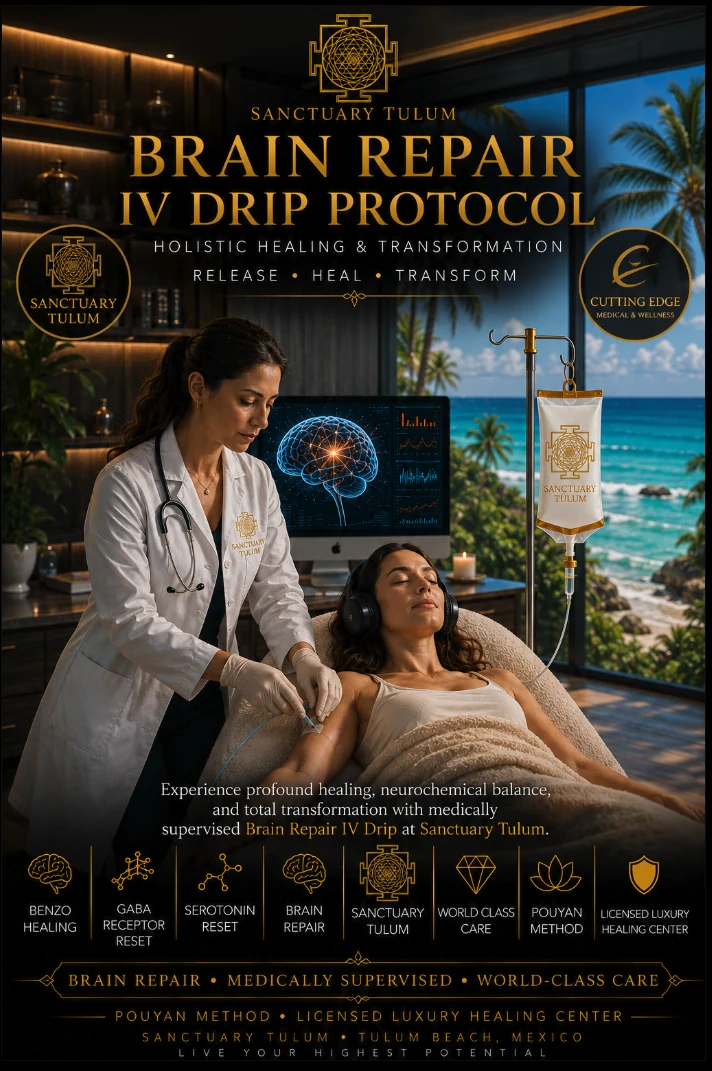
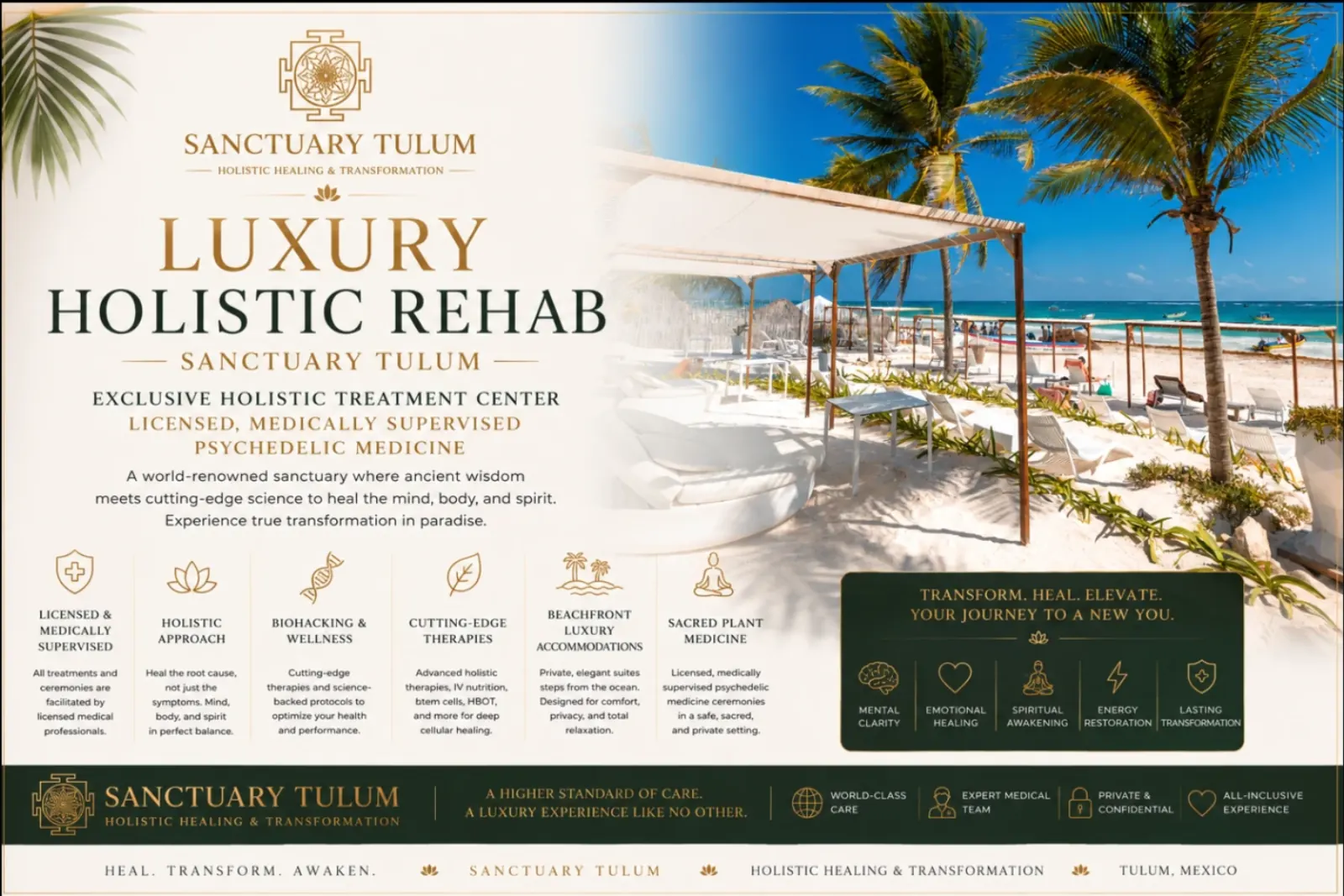
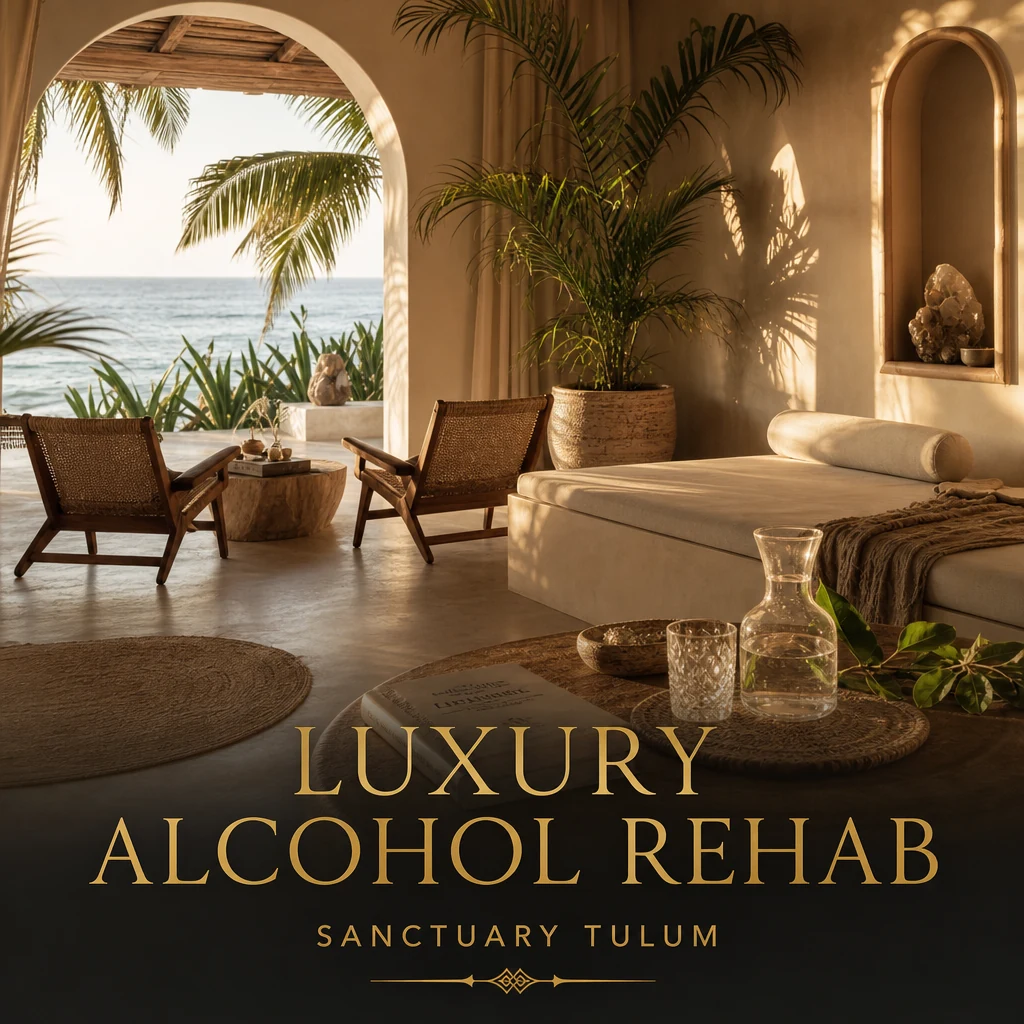
Sanctuary Tulum is a licensed medical facility operating under a federal health license, with physicians on site and continuous medical supervision throughout every program. We have operated in Tulum since 2011. The luxury alcohol treatment center is fully residential, with private single-occupancy accommodations, one-on-one clinical attention, and layered nervous-system support including Brain Repair IV, NAD+ IV therapy, HBOT, breathwork, and sleep support. Guests interested in a broader treatment arc may want to review our luxury rehab center and holistic rehab center programs.
On-Site Nervous-System Support
Once on site, a typical day layers medical work with nervous-system regulation. Physician-supervised detox management happens daily. Brain Repair IV protocols and NAD+ IV therapy support GABA and glutamate rebalancing that early alcohol recovery requires. Hyperbaric oxygen sessions, infrared sauna, red light therapy, and cold plunge support autonomic recovery. Sleep is protected — guests are not routinely moved onto long-term substitute sedatives to make the acute phase appear smoother than it is.
Length of Stay
A responsible alcohol rehab is measured in weeks, not days. Programs typically run four to twelve weeks depending on drinking history, duration, and any co-occurring conditions such as anxiety, depression, insomnia, PTSD, or unresolved trauma. Faster is not safer, and we do not compress the residential arc to fit a marketing package. The right length is determined during pre-arrival medical review.
Integration and Coming Home
The most durable outcomes come from careful integration after the residential stay ends. Each guest leaves with a written plan — sleep, nutrition, supplementation, movement, and any recommended continued IV or HBOT protocols they can source locally in Florida. Where a home prescriber is involved, that plan is shared directly with them. The goal is a durable shift that holds when a guest returns to their normal environment.
Medical Detox vs. Non-Medical Detox
Not every setting calling itself an alcohol "detox" is medically supervised, and the difference matters more for alcohol than for almost any other substance. Medical detox means a physician evaluates drinking history and current labs, orders continuous monitoring during the acute withdrawal window, and has medication protocols available if seizure risk or delirium tremens develops. Non-medical or "social" detox — common at wellness retreats without a physician on staff — offers none of that, and for anyone with sustained daily drinking, that gap is not a matter of comfort but of safety. Before booking anywhere, ask directly whether a physician is on site during withdrawal, not just reachable by phone.
One-to-One Care vs. the Group Model
Most Florida residents who reach out to us have already tried a group-based program — AA, an intensive outpatient cohort, or a residential facility built around shared daily sessions. That format works for some people and fails others, particularly high-net-worth clients whose business relationships, family situations, or public profile make disclosure to a room of strangers a genuine deterrent to being honest in the room at all. A one-to-one clinical model removes that specific barrier: session content, pacing, and the sequence of what gets addressed first are set around one person's history rather than a curriculum built for a general caseload.
Staffing, Confidentiality, and the First Week
Ask any facility directly what its staff-to-guest ratio is overnight during the first week, since that is when alcohol withdrawal risk peaks. At Sanctuary Tulum, arrival day is medical intake — bloodwork, physician evaluation, and a review of drinking history and any co-occurring conditions — followed by physician-supervised stabilization before any deeper clinical or nervous-system work begins. Confidentiality is structural rather than a promise: a small guest census, staff under written confidentiality agreements, and admissions handled directly rather than through a public referral network. For a guest embedded in Florida's interconnected wealth communities, that operational detail is often the deciding factor over amenities.
Family Involvement and Relapse-Risk Planning
A guest who returns to the same household, business pressures, and social calendar that surrounded their drinking needs a specific plan for that return, not just a completed residential stay. Where appropriate, we coordinate structured conversations with a spouse or family member who will be part of daily life afterward, and every guest leaves with a written plan that names the situations most likely to trigger a return to drinking — a demanding season at work, travel, a family event — along with a concrete response to each one. A plan without named triggers is not a plan; it is a hope.
Due-Diligence Questions Before Committing
Before choosing between a Florida facility and one abroad, ask each program the same questions: Is alcohol withdrawal managed by a physician on site, with labs and continuous monitoring? What is the staff-to-guest ratio overnight? How many guests are in residence at once? What does the written re-entry and relapse-risk plan actually include? Programs confident in their clinical model answer specifically. Be skeptical of any facility quoting a success rate — there is no standardized, independently verified definition of success in this field, and a published number is a marketing claim rather than clinical evidence.
A Short Note on Frame
This is not a comparison against Florida rehabs or a claim that any in-state facility is inadequate. It is a description of what Tulum genuinely offers as a destination — climate, coastline, cenotes, distance, and discretion — for Florida residents who want physician-supervised alcohol rehab conducted in an environment structurally separated from their daily life.
References
- Caputo F, et al. Alcohol withdrawal syndrome in hospitalized patients: a practical review. Eur J Intern Med. 2026;107103.
- Paloczi J, et al. The aftermath of alcohol misuse: linking cellular damage, suboptimal micronutrient nutrition, and organ dysfunction. Pharmacol Ther. 2026;283:109038.
- National Institute on Alcohol Abuse and Alcoholism. Alcohol Facts and Statistics.
- World Health Organization. Alcohol Fact Sheet.