Holistic Care · The Modalities
Holistic Approaches Used in Luxury Rehab Programs
A body under chronic strain does not recover through insight alone. The physical side of treatment does real, specific work.
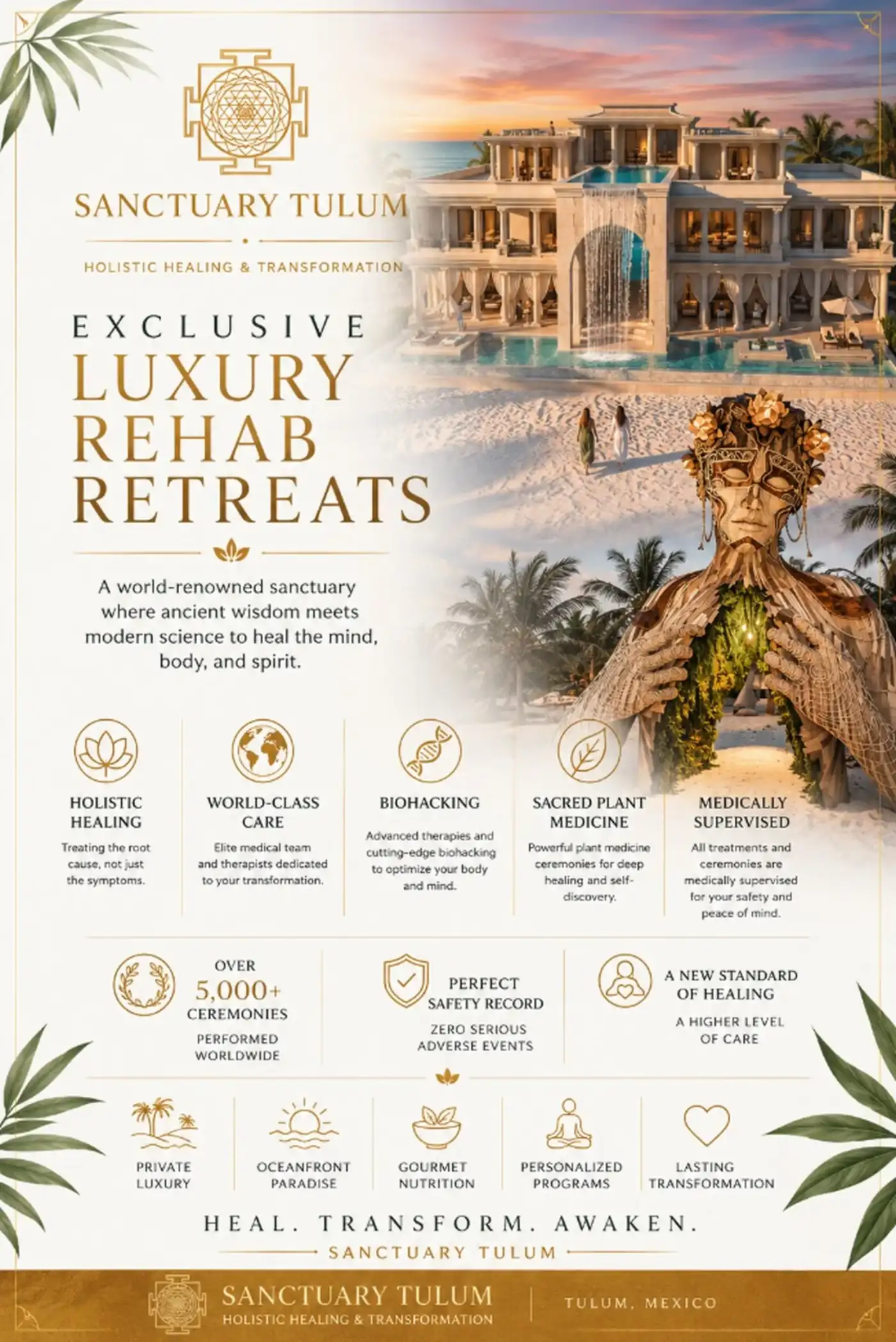
"Holistic" is used loosely enough in wellness marketing that it has nearly lost meaning. In a clinical context it should mean something specific: treating the whole physiological system — sleep, nutrition, inflammation, nervous system regulation — alongside the presenting mental health or substance use concern, rather than treating only the latter in isolation.
This matters because chronic stress, substance use and untreated mental health conditions all produce measurable physical effects: disrupted sleep architecture, nutritional depletion, elevated inflammation and dysregulated stress response. The National Institutes of Health has published extensively on the bidirectional relationship between physical health markers and mental health outcomes, which is the basic premise behind combining physical modalities with clinical therapeutic work rather than treating them as separate tracks.
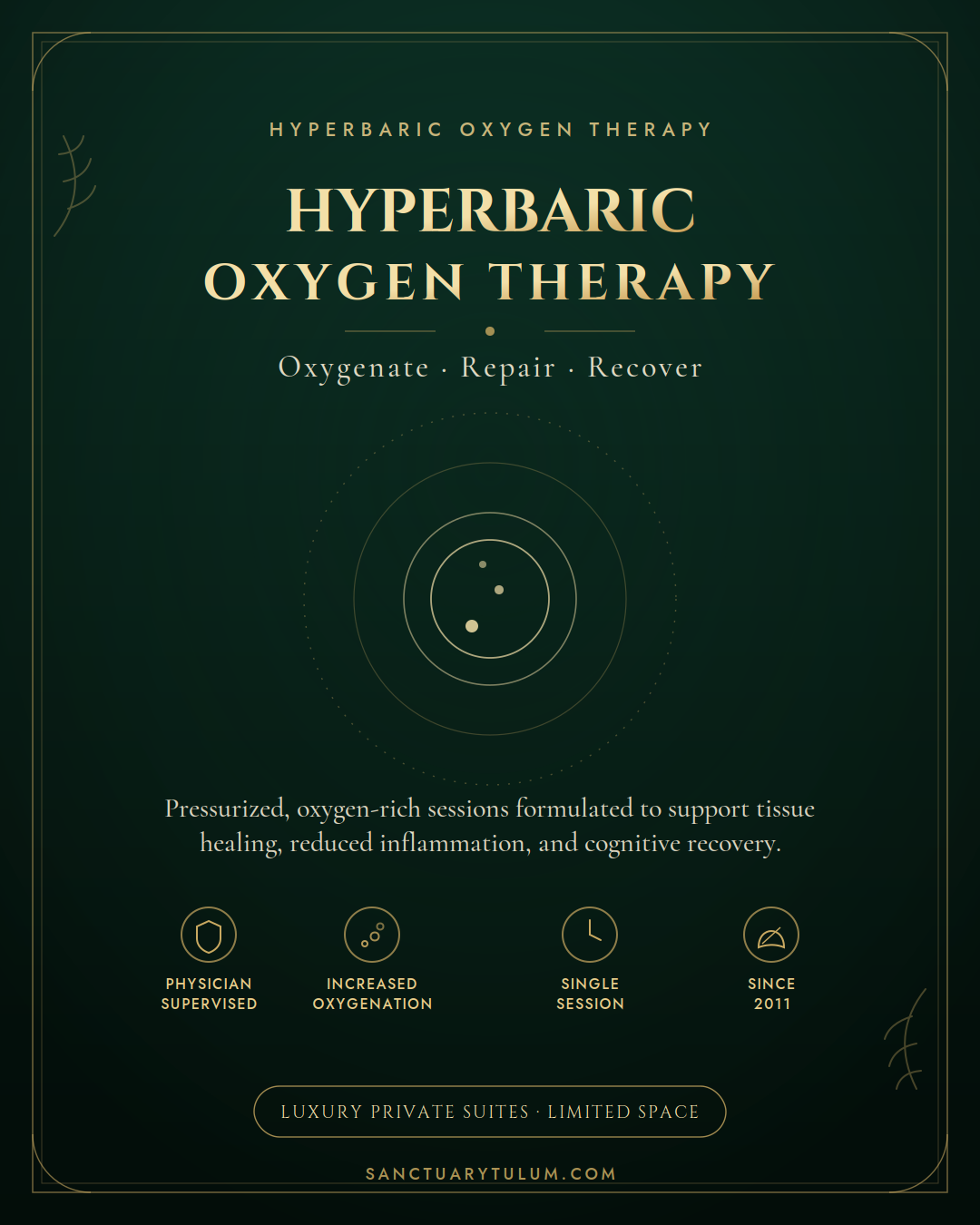
Hyperbaric oxygen therapy
Hyperbaric oxygen therapy increases the amount of oxygen dissolved in blood plasma by having a person breathe oxygen in a pressurised chamber. The FDA has cleared HBOT for a specific set of medical indications, and it is used in some treatment settings as adjunctive support for tissue and cellular recovery, alongside — never instead of — the core clinical program.
Its role in a holistic protocol is supportive rather than primary: part of restoring physical resilience during a period when the body is doing significant repair work.
IV nutrient and NAD+ therapy
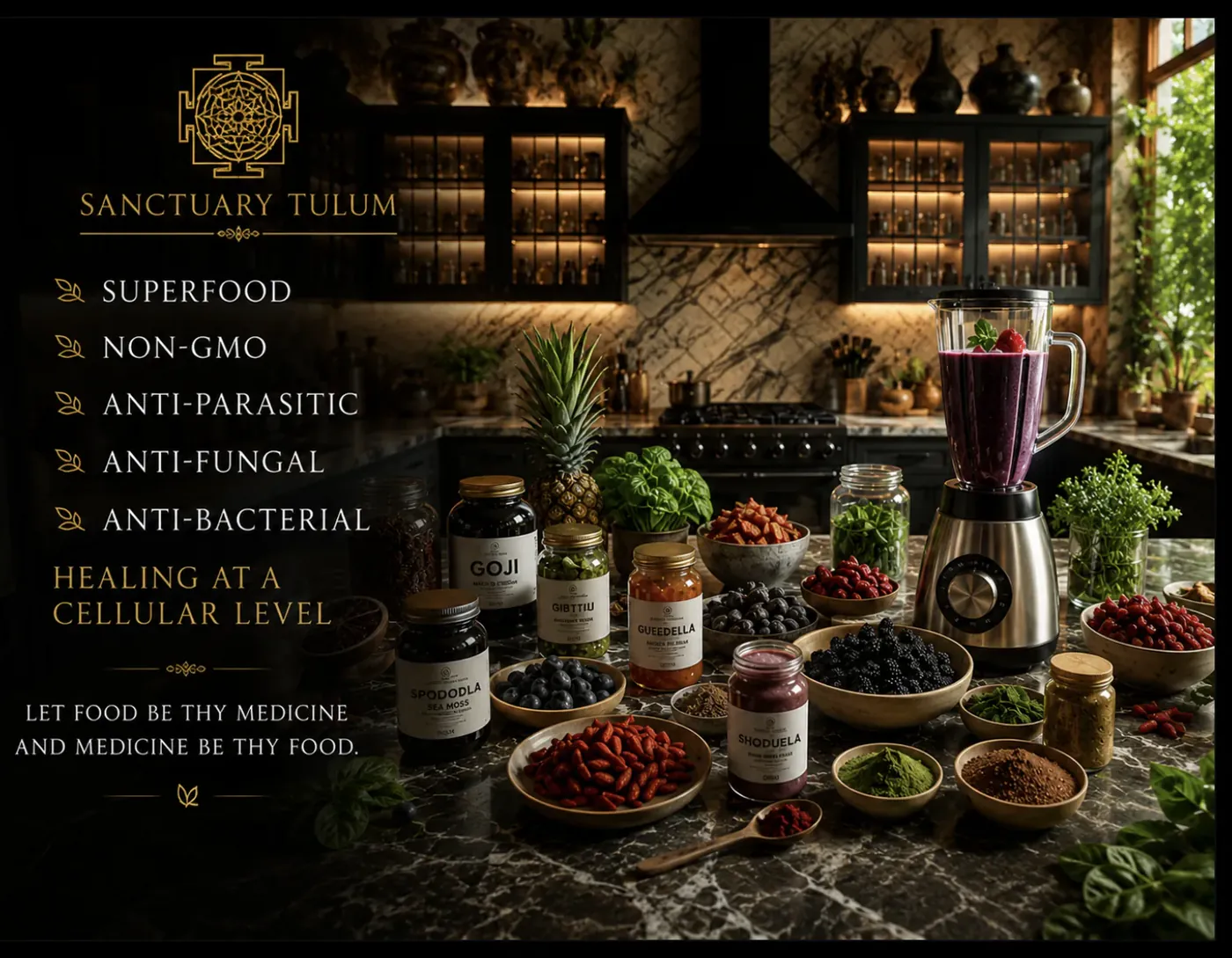
Chronic substance use and prolonged stress are commonly associated with nutritional depletion — deficiencies in B vitamins, magnesium, amino acids and antioxidants that affect mood, sleep and energy. NAD+ IV therapy and Brain Repair IV protocols aim to correct these deficits directly and support cellular energy metabolism, working alongside organic, whole-food nutrition built into every meal rather than treated as an afterthought.
The nervous system does not distinguish between a thought and a threat. Physical regulation is part of the treatment, not a spa amenity beside it.
Sanctuary Tulum
The broader holistic toolkit
Modalities used in combination, sequenced individually rather than delivered as a fixed group schedule.
Infrared sauna
Supports circulation and a parasympathetic, rest-oriented nervous system state.
Cold plunge
Used for nervous system regulation and building tolerance to controlled discomfort.
Red light therapy
Supports cellular repair and is often paired with movement and recovery protocols.
Massage and bodywork
Reduces physical tension held from chronic stress or substance use.
Yoga and meditation
Builds a daily practice of attention and nervous system regulation.
Stem cell therapy
Explored for select cases as part of a broader physical restoration plan.
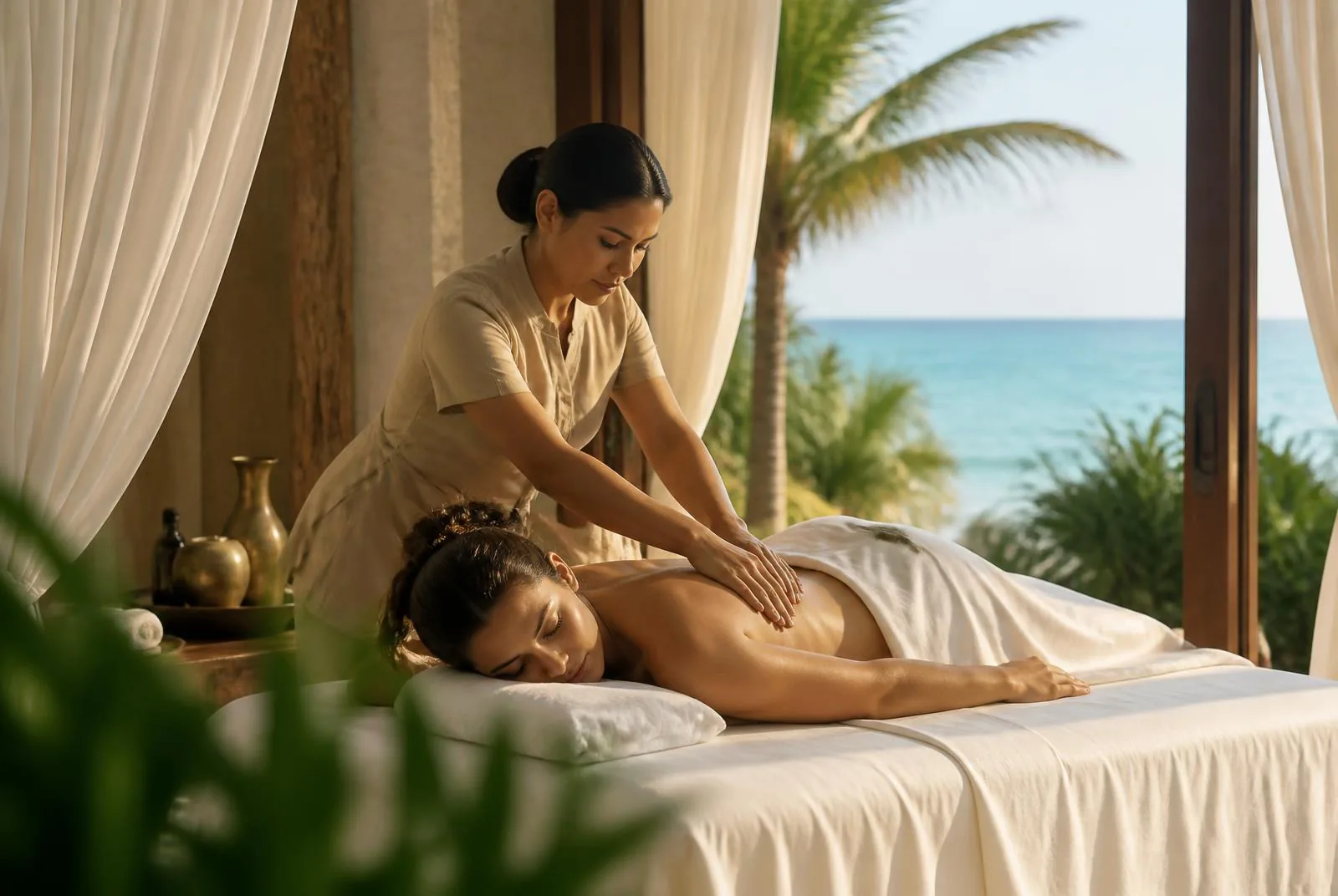
Bodywork and the nervous system
Chronic stress and trauma are frequently held physically — in muscle tension, breathing patterns and posture — in ways that verbal processing alone does not always resolve. Regular massage and bodywork is included in the daily structure for this reason: not as relaxation for its own sake, but as a direct intervention on the physical manifestations of chronic stress.
Light and rhythm
Infrared sauna and red light protocols are paired with a broader emphasis on circadian rhythm — consistent wake times, daylight exposure, and structured wind-down periods in the evening. Sleep quality is one of the more reliable predictors of mood stability and craving intensity, and a program that ignores sleep architecture is leaving a significant lever unused.
None of these modalities function as a substitute for direct clinical work. At Sanctuary Tulum they run alongside 35+ hours of individual clinical sessions per week under the Pouyan Method™, with each guest's combination of physical modalities adjusted individually rather than applied as a fixed group protocol.
Evaluating a holistic claim
When evaluating a program that markets itself as holistic, ask which modalities are used, how they are sequenced with clinical work, and how the plan is individualised rather than templated. A program can offer every therapy listed here and still deliver a generic, group-scheduled experience if it is not built around genuinely individual assessment.
Sanctuary Tulum is a licensed, oceanfront luxury mental health recovery center operating since 2011, with programs described in full on the programs and pricing page and the complete clinical offering listed on all treatments. The contact page outlines how an individualised plan is built during the enquiry process.
What a genuinely individualized plan looks like
The difference between a holistic program that works and one that is decorative usually comes down to sequencing and specificity. A genuinely individualized plan does not offer every modality to every guest; it selects a handful based on diagnostics and adjusts them as the person responds. A guest recovering from prolonged benzodiazepine use, for instance, needs a very different physical support plan than a guest working through grief or burnout, even though both might use some of the same tools.
This is also where cost is best understood. Physical modalities are staff- and time-intensive to deliver one-to-one, and the price of a program reflects that labor far more than it reflects any single therapy's inherent expense.
Questions worth asking any holistic program
Before committing to a program marketed as holistic, ask specifically which modalities are used, how they are sequenced with clinical work, and how the plan is adjusted as you progress. Ask who designs the plan — a physician or a wellness coordinator — and how often it changes. A program that can answer these questions with specifics, rather than a menu of amenities, is more likely to be delivering genuine individualized care.