If you want to see photobiomodulation at its most convincing, look at skin and hair rather than at the brain. The reason is unglamorous but decisive: the target tissue is right there. Most of the uncertainty that dogs deeper applications — how much light penetrates, how much reaches the intended structure, whether a given dose arrives at all — largely dissolves when the target is a few millimetres from the emitter.
Scars: Small Studies, Consistent Direction
A 2026 scoping review of red and near-infrared photobiomodulation for burn, hypertrophic and post-surgical scars identified seven clinical studies involving 297 participants. Reported improvements spanned scar thickness, pigmentation, elasticity, pain and pruritus in specific settings. The authors were clear that the studies were small and heterogeneous, which limits how far the findings generalize.
Seven studies is a starting point, not a conclusion. What makes the signal interesting is the mechanistic fit: scar formation involves collagen organization, fibroblast behaviour and inflammatory signalling, and reviews of mitochondrial redox signalling in photobiomodulation describe plausible influence on exactly those processes. Mechanism and outcome pointing the same way is more persuasive than either on its own.
Hair Density: The Field's Strongest Card
The 2025 umbrella review of photobiomodulation — 15 meta-analyses, 204 randomized controlled trials, over 9,000 participants — identified moderate-certainty evidence for increased hair density in androgenetic alopecia. Moderate certainty was the highest tier reached anywhere in that review, since no outcome achieved high certainty. Earlier waveband-specific meta-analyses of light therapy for hair loss point in the same direction.
The caveat is the one that governs this entire field: this evidence belongs to the wavelengths, doses and devices that were tested. It does not transfer to a device simply because that device also emits red light.
Tissue Recovery More Broadly
Beyond scars and hair, tissue-level research extends into musculoskeletal recovery. In tendinopathy, across 17 randomized controlled trials with 835 participants, light combined with exercise outperformed sham plus exercise on pain and function. In knee osteoarthritis, reductions in pain and disability were reported with low to very low certainty for important outcomes and an explicit caution against isolated use.
The consistent theme across all of it is adjunctive value. Light appears to add something on top of care that is already appropriate — wound management, dermatological treatment, loading and rehabilitation — rather than substituting for it.
What This Means for Proprietary Systems
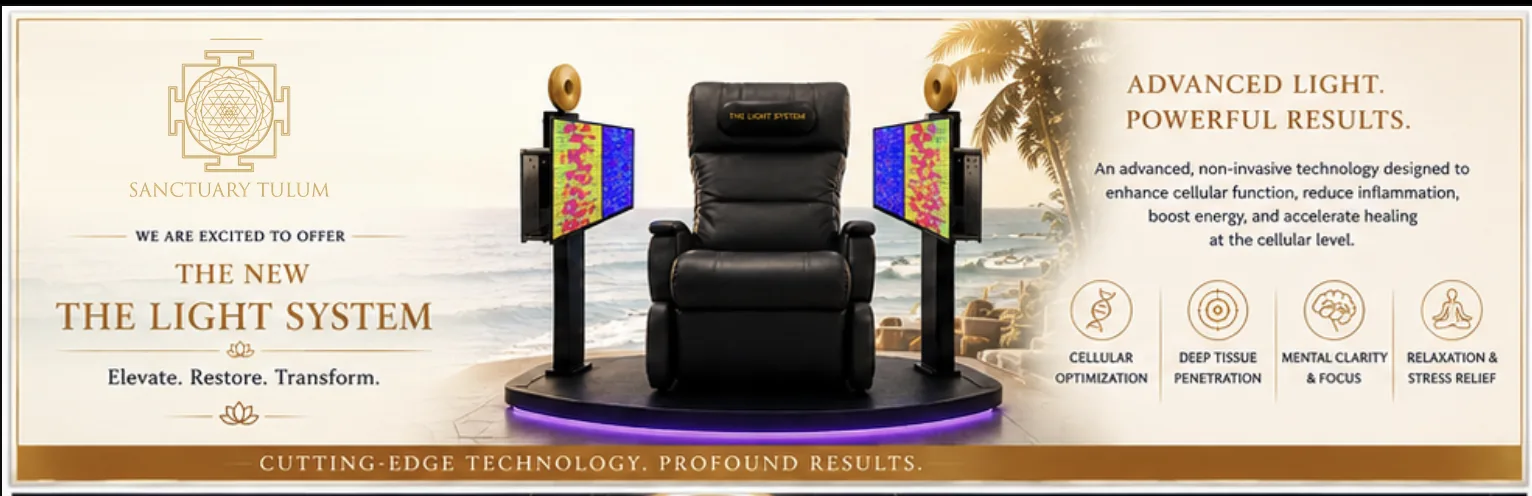
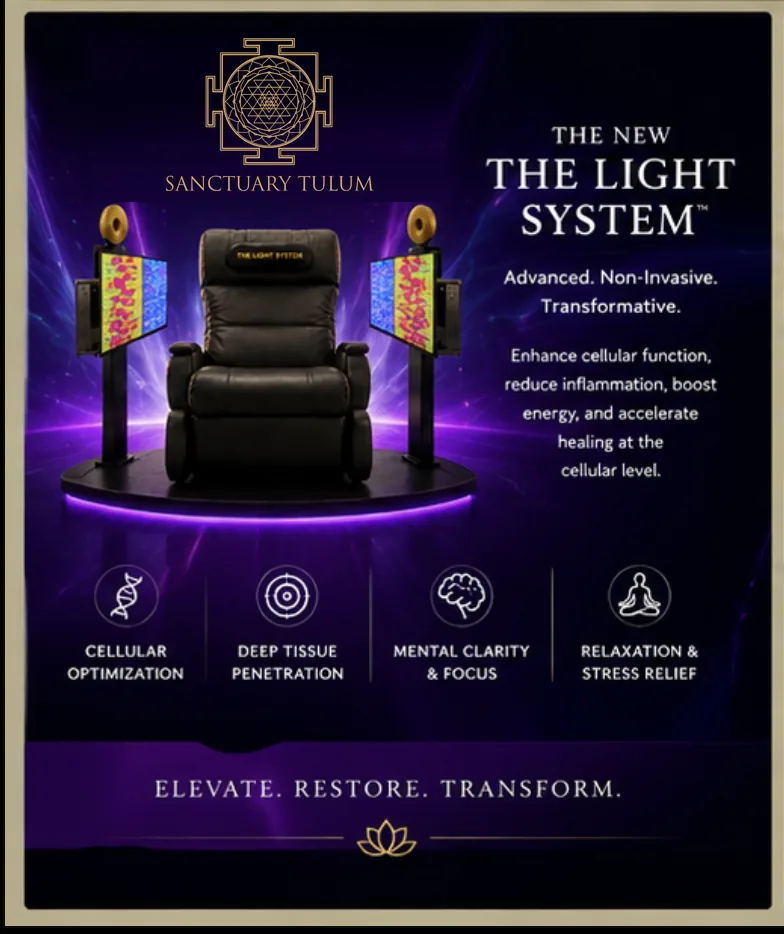
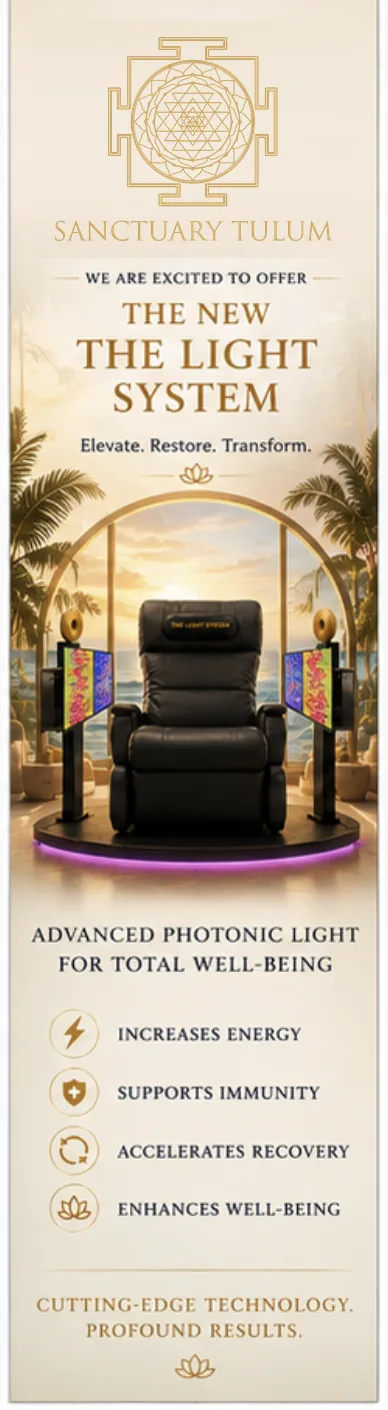
Proprietary technologies such as The Light System™ report a different class of data: laboratory bioelectrical and cellular conductivity measurements rather than dermatological or musculoskeletal endpoints, alongside an explicit statement that the company makes no medical claims about the technology. That data does not extend the scar or hair findings above to TLS, and the scar and hair findings do not validate TLS. Keeping those categories separate is what makes either one worth citing.
Sensible Expectations
Expect gradual, cumulative change over weeks rather than a visible response after one session. Do not treat an undiagnosed lesion, a non-healing wound or a suspected infection with a light device instead of seeing a clinician. Follow session limits, since dose response is biphasic and longer is not better. Anyone with photosensitivity, on a photosensitizing medication, pregnant, or with an active malignancy should consult a physician first — a point reinforced by the 2025 photobiomodulation safety consensus.
Continue with the full Light System™ research guide, light for pain and physical recovery, or our red light therapy page.
Why Superficial Targets Show the Clearest Signal
Skin and superficial tissue is where the photobiomodulation literature is most coherent, and the reason is physical rather than promotional: the light does not have to travel far to reach the target. Wavelengths applied to a scar, wound margin or dermal layer arrive with far less attenuation than the same light aimed at a joint or the brain, which removes one of the largest sources of variability between studies.
That advantage does not eliminate the usual limitations. The available scar and wound studies are small, protocols vary widely, and outcome measures such as thickness, pigmentation, elasticity, pain and itching are assessed with different instruments across trials. Blinding is also difficult when a treatment is visible and warm, so sham-controlled designs and objective measurement carry extra weight in this area.
Clinically, the sensible framing is adjunctive and sequenced. Wound care fundamentals come first: accurate diagnosis, infection control, moisture balance, offloading and nutrition adequate for tissue repair. Any active or non-healing wound, a changing mole, a spreading rash or a scar with worsening pain should be assessed by a physician rather than self-treated with a device, since some presentations need investigation rather than support.
Dosing, Wavelength and the Biphasic Response
Photobiomodulation research consistently describes a biphasic dose-response: too little light produces no measurable effect, and too much light can blunt or reverse the benefit seen at moderate doses. This is one reason results are so device-specific — a wavelength, irradiance and session duration that sits in the effective range for one protocol may fall outside it for another. Clinicians and researchers describing this field routinely emphasize that dose parameters, not just the presence of red or near-infrared light, determine whether a session helps, does nothing, or works against the intended outcome.
This matters practically because marketing language rarely distinguishes between devices with published dosimetry and devices with none. A panel that emits red light is not automatically comparable to a panel that was used in a clinical trial reporting a specific outcome. Anyone evaluating a light therapy device for skin, scar or hair goals should ask what wavelength, irradiance and session length the supporting research actually used, and how closely the device in front of them matches those numbers.
How This Fits Inside a Residential Program
At Sanctuary Tulum, sessions with The Light System™ are scheduled by the medical team as one component of a broader stay rather than a standalone treatment. Guests working through a residential detox program or a luxury rehab stay may have light sessions incorporated alongside infrared sauna therapy, massage therapy, and other recovery-focused modalities, always sequenced around each guest's medical screening and goals.
This sequencing matters because light therapy is adjunctive by design. It is not positioned as a replacement for dermatological evaluation, wound care, or physical therapy, and it is not scheduled ahead of the medical screening every guest completes on arrival. The team calibrates session frequency to the specific goal — skin, scar, hair or musculoskeletal recovery — rather than applying a single protocol to every guest.
Questions Worth Asking Before Any Light Therapy Program
Before committing to a light therapy course anywhere, it is reasonable to ask what wavelength and irradiance the device delivers, how session length and frequency were chosen, and what specific outcome the supporting research measured. It is equally reasonable to ask what the protocol does not claim to do. A program that is candid about the limits of the evidence — small sample sizes, short follow-up windows, heterogeneous outcome measures — is generally more trustworthy than one that presents every finding as settled. Guests interested in how this fits within a full holistic treatment center model can review the broader protocol before booking a stay.
Educational information only. Not medical advice, and not an offer of The Light System™ as a service at Sanctuary Tulum.