Alcohol · Destination
Alcohol Rehab in Mexico: A Modern Approach
Travel is not the treatment. But distance, cost structure and length of stay change what is possible in a way that matters clinically.
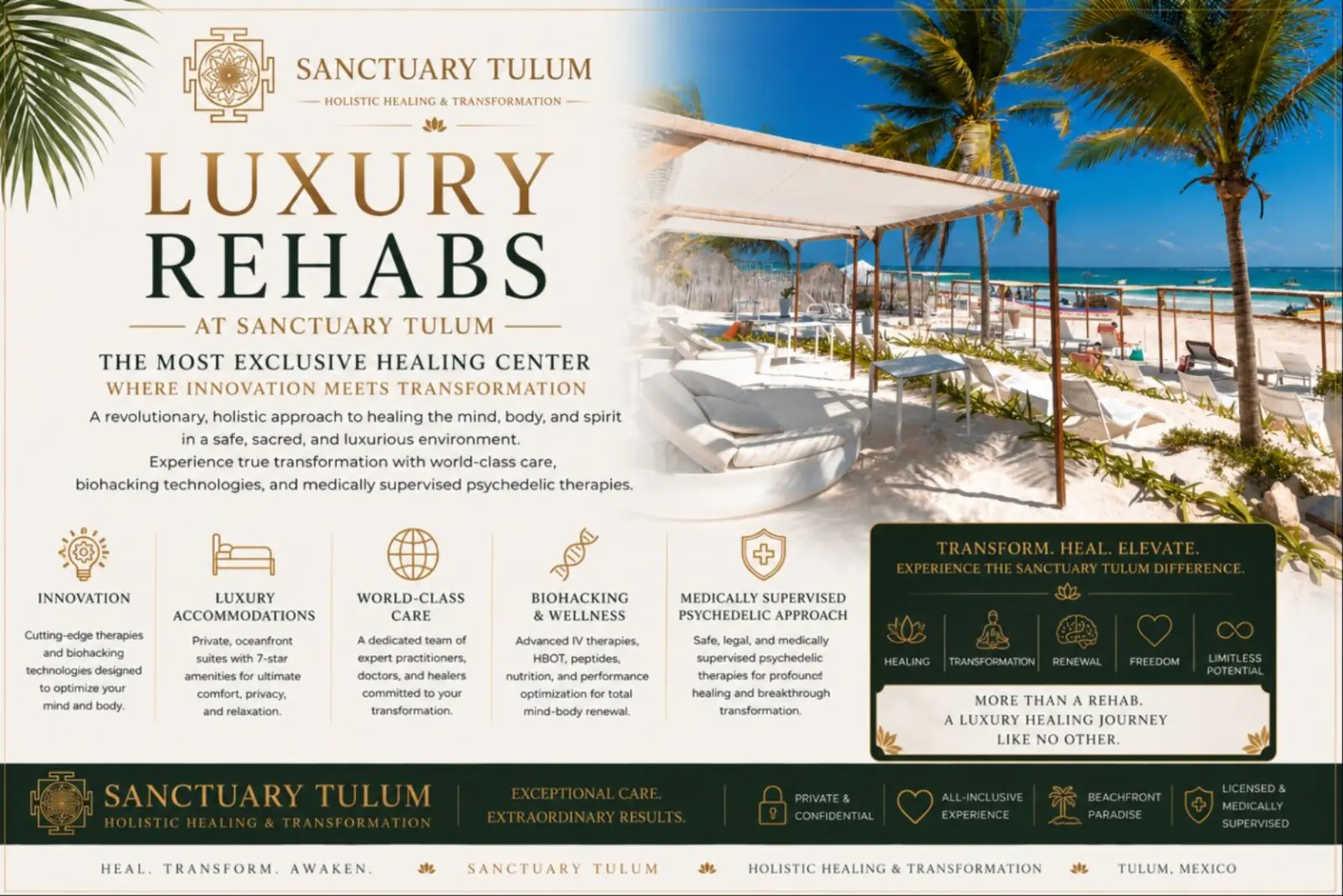
Mexico has become a serious destination for alcohol treatment, and not only because of price. The three things people consistently cite are length of stay, privacy and the ability to be treated outside the professional and social network where their drinking is known. Each of those is a practical variable, not a marketing one.
The caution is equally practical: standards vary widely, and an oceanfront photograph tells you nothing about licensing or medical staffing. Verify that the facility operates as a licensed clinic, that physicians are present, and that withdrawal is managed rather than simply observed. The National Institute on Alcohol Abuse and Alcoholism treatment guidance is a useful reference point when comparing what a program says it does.
Why length of stay is the underrated variable
In many domestic systems, length of stay is shaped by insurance authorisation rather than by clinical need. Programs compress. People leave stabilised but not settled, and the weeks immediately after discharge — when sleep, mood and cravings are still unsteady — are exactly when relapse risk concentrates.
Outside that constraint, stays can be set by the person rather than the payer. Sanctuary Tulum programs typically run four to sixteen weeks depending on drinking history, physical health and what else is going on. That is not a claim of superiority over domestic care; it is a description of a different constraint.
Distance from the environment that maintains the habit
Alcohol use is heavily cue-driven. The bar on the route home, the colleagues, the ritual at the end of a difficult day — these are environmental structures, and willpower is a poor tool against them in the first weeks. Physically leaving that environment removes the cues rather than asking a person to resist them continuously.
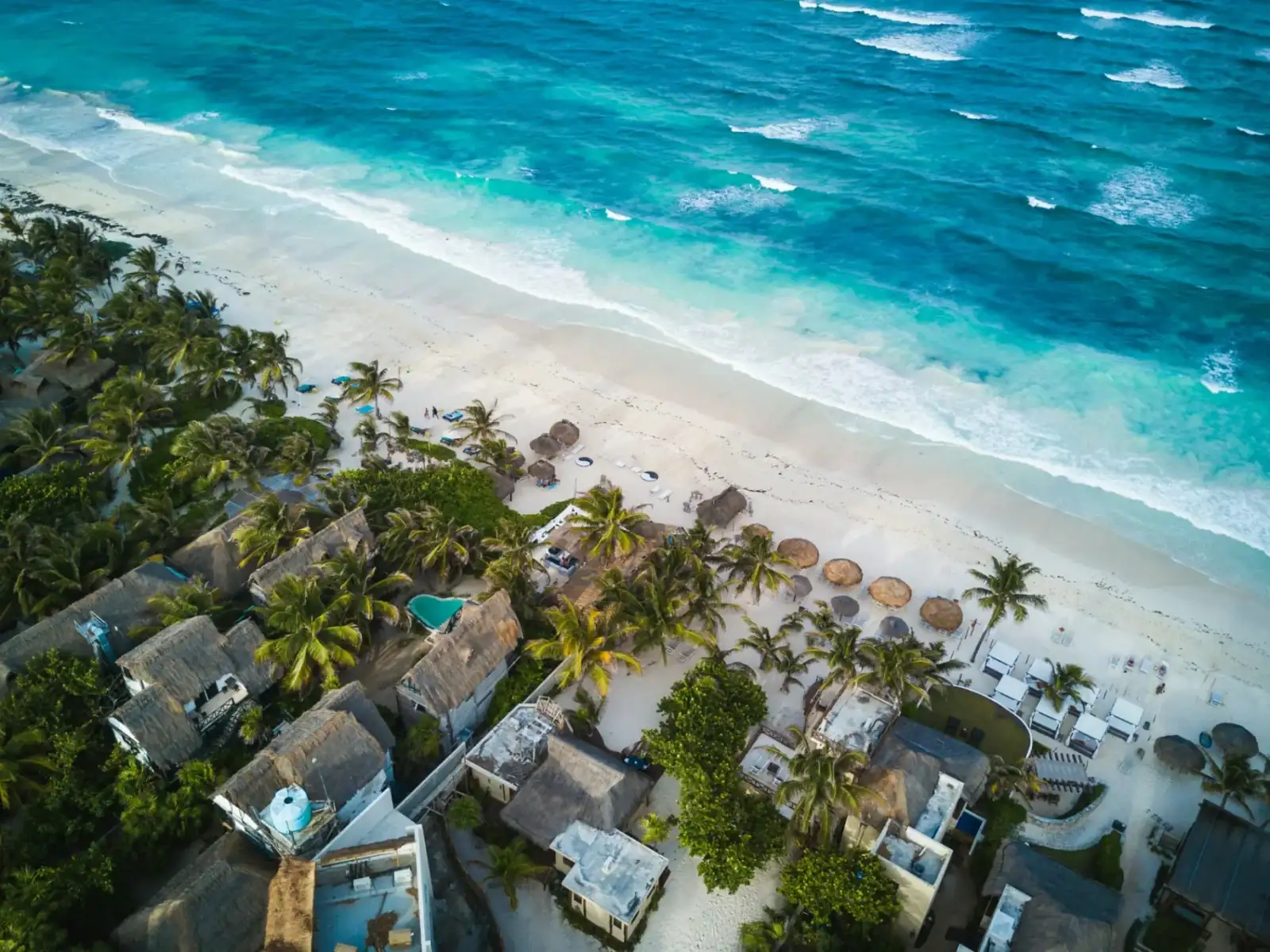
Tulum sits on the Caribbean coast of the Yucatán Peninsula, roughly 90 minutes south of Cancún International, with direct flights from most major North American cities. The practical picture for most guests is a single travel day.
Traveling for treatment is not an escape from the problem. It is the removal of the daily cues that make the problem hard to interrupt.
Sanctuary Tulum
What to check before choosing a facility abroad
Ask these in writing and keep the answers.
Licensing
Is the facility licensed as a clinic or hospital in its jurisdiction?
Physicians on site
Not on call — on site, including overnight during withdrawal.
Medical intake
A records review before you fly, not an assessment on arrival.
Medication policy
How prescribed medications you already take will be handled.
Emergency escalation
The named hospital and the transfer procedure if one is needed.
Aftercare
A written plan you can hand to a physician at home.
What the daily program looks like
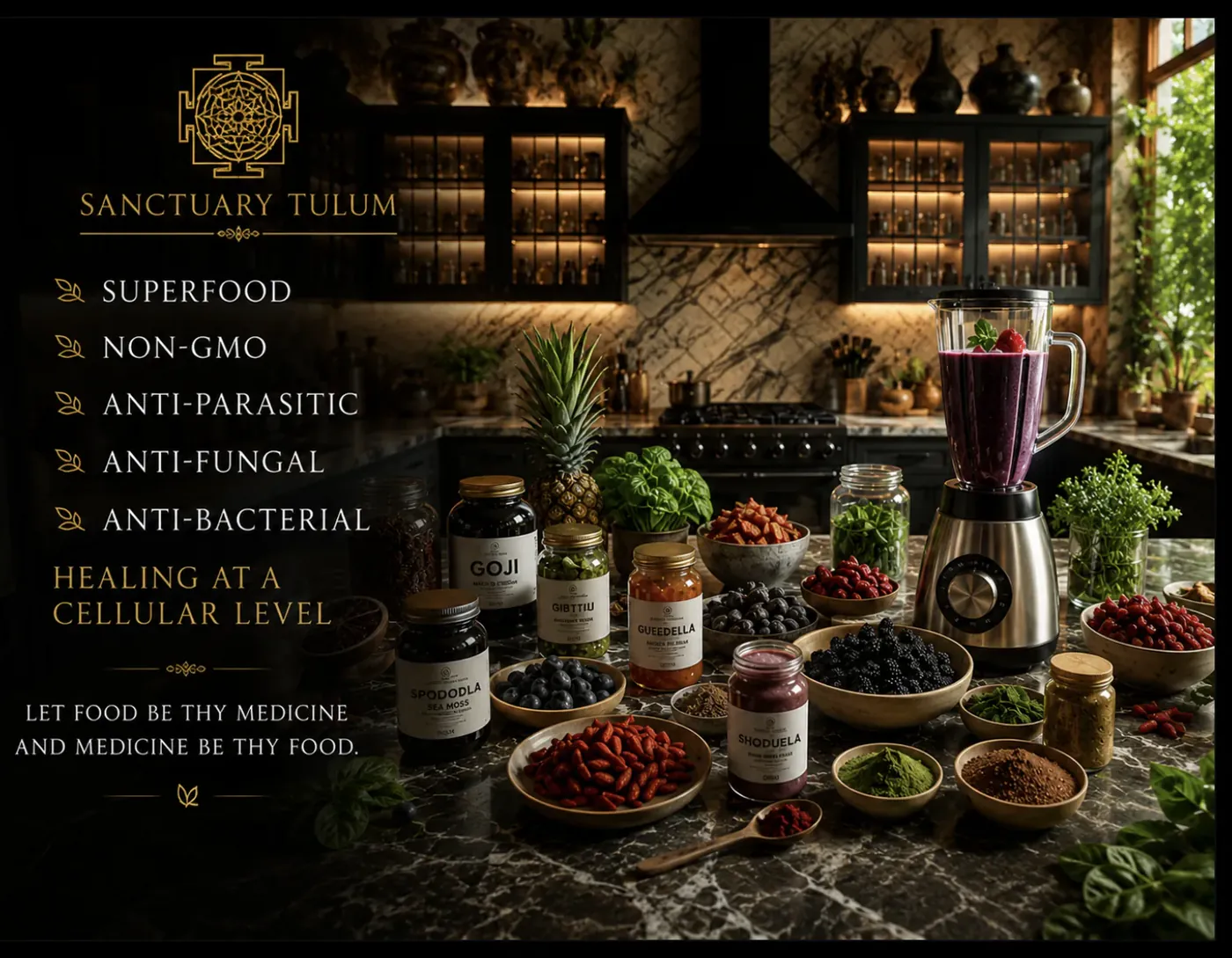
After the acute phase, days move to restoration: an organic wholefood diet, IV nutritional support where clinically indicated, hyperbaric oxygen therapy, infrared sauna, movement, bodywork and one-to-one sessions. Sleep is protected deliberately, because sleep is often the last thing to normalise after heavy drinking.
The U.S. Centers for Disease Control and Prevention notes that excessive alcohol use affects nearly every organ system, which is why the physical restoration work is treated as part of the program rather than an amenity.
Where to read next
Our luxury alcohol rehab program page details the program itself, and luxury rehab locations covers travel logistics from different regions. Guests who are also reducing a prescription sedative should read benzodiazepine withdrawal before setting a timeline, as the two processes are sequenced carefully rather than run at once.
Sanctuary Tulum operates as a licensed luxury rehab for mental health and medical facility with physicians on site. If a program abroad cannot answer the verification questions above plainly, that is the signal to keep looking.
Logistics, records and what travels home with you
The logistics are simpler than most people expect. Cancún International is served by direct flights from Los Angeles, Dallas, Houston, Chicago, New York, Toronto, Miami and much of Europe. Transfers to Tulum run roughly ninety minutes along the coast, and Sanctuary Tulum arranges them privately so a guest arriving in a fragile state is not navigating an airport queue alone.
Medical documentation should travel with the guest: current prescriptions, recent bloodwork, and any history of withdrawal seizures. That record is what allows the medical team to plan the first week accurately rather than improvise it. Where a guest already has a physician at home, we ask for permission to speak to them before arrival and again before discharge.
One misconception worth correcting is that travelling abroad means disconnecting from care at home. It should mean the opposite. A well-run program abroad documents everything and hands it back, so the physician who sees the guest in three months has a complete picture rather than a gap in the notes.
The other misconception is that a beautiful setting is somehow at odds with serious medicine. It is not, but it is not a substitute for it either. Ask about licensing and staffing first, and treat the coastline as what it is — an environment that makes a demanding period of work more bearable, not the work itself.
Insurance, cost structure and what "all-inclusive" actually covers
Cost is one of the reasons people first look outside their home country, but the number on a brochure is not comparable across programs unless you know what it includes. In many domestic settings, medical detox, therapy, lodging and food are billed separately, and insurance authorisation can end a stay before the person is ready to leave. A private, all-inclusive structure — medical care, therapy, lodging, meals and the activities that support restoration bundled into one fee — removes that pressure point, but it does not automatically make a program medically sound. The bundling is a business model, not a clinical credential.
Ask directly what the fee includes and what it does not: emergency transport, extended stays if withdrawal is complicated, family sessions, and any aftercare check-ins. A program that answers these questions in writing before you travel is behaving the way a licensed medical facility should. One that answers only in general terms about "luxury" and "comprehensive care" is telling you something too.
Family involvement and communication while a guest is away
Families often carry as much uncertainty as the person entering treatment, and distance can make that worse if communication is not planned. A reasonable structure allows for a short period of protected separation early in the stay — usually while withdrawal is being managed — followed by scheduled calls and, where useful, family sessions with a clinician present. This is not about restricting contact; it is about making sure early contact does not happen at the exact moment a guest is least able to have it productively.
For families managing a loved one's departure, having a single point of contact at the facility — someone who can give a same-day update on how the medical stabilisation is progressing — matters more than any amenity. Ask who that person is and how quickly they respond before booking, not after.