Light therapy occupies an unusual position: too well studied to dismiss, too unsettled to sell as proven. Getting that position right requires reading the actual reviews rather than the summaries of the summaries — so this piece walks through what the strongest available synthesis says, including the parts that complicate the story.
The Best Current Synthesis
The 2025 umbrella review of photobiomodulation, published in Systematic Reviews, sits at the top of the evidence hierarchy for this field. It analyzed 15 meta-analyses covering 204 randomized controlled trials and more than 9,000 participants across 35 health outcomes. Twelve outcomes showed statistically significant effects. Certainty of evidence ranged from very low to moderate. No outcome reached high certainty.
Moderate-certainty findings — the strongest tier available — included increased hair density in androgenetic alopecia, reduced disability in knee osteoarthritis, reduced fatigue in fibromyalgia, improvements in cognitive function, and pain reduction in burning mouth syndrome. That is a specific, unglamorous list, and specificity is what credibility looks like.
The Mechanism
Reviews of mechanisms and mitochondrial redox signalling describe absorption of red and near-infrared light within the mitochondrial respiratory chain, with downstream effects on cellular energy metabolism, reactive oxygen species signalling and pathways linked to inflammation and repair. One consequence of that model is clinically important and widely ignored: the dose response is biphasic. Too little light produces no measurable effect; too much can reduce or reverse it. "More" is not a protocol.
The Standardization Problem
Almost every limitation in the field traces back to one issue. Studies differ in wavelength, irradiance, total fluence, session length, treatment frequency, treatment duration and delivery method — and often report those parameters incompletely. Pooling such studies produces wide confidence intervals and low certainty ratings, not because light does nothing, but because the trials are not testing the same intervention.
This is visible across specific literatures. Sleep research is limited to a small number of trials: a systematic review and meta-analysis pooled five randomized trials with 240 participants, reporting improved sleep quality scores with limited precision. Cognitive research, summarized in a 2025 meta-analysis, flags protocol heterogeneity as its central caveat. A 2025 review of transcranial photobiomodulation raises the further question of how much light reaches cortical tissue at all.
Reading a Meta-Analysis Without Overreading It
An umbrella review pooling 204 trials sounds definitive, but the certainty ratings inside it are the more important number. "Moderate certainty" means further research could still change the estimated effect size; "low" or "very low" certainty means it plausibly could change the direction of the finding, not just its size. None of the 35 outcomes examined reached high certainty. That is not a reason to dismiss the field — it is a reason to describe findings the way the reviewers themselves did, with explicit uncertainty attached, rather than rounding a moderate-certainty result up to a settled fact.
How Wavelength and Depth Interact
Tissue penetration depends on wavelength in a way that matters for interpreting any specific claim. Red light in the roughly 600–700 nanometre range is absorbed more superficially, which is why it is studied heavily for skin and superficial tissue outcomes. Near-infrared wavelengths, typically cited in the 800–1000 nanometre range, penetrate somewhat further, which is why they appear more often in studies of muscle, joint and, more speculatively, transcranial applications. Neither wavelength range is universally "better" — the appropriate wavelength depends on the target tissue and the depth required, which is exactly the kind of parameter a vague marketing claim tends to omit.
What Practitioners Should Disclose
Given the standardization problem, a reasonable minimum disclosure from any practitioner or manufacturer includes the wavelength or wavelength range used, the irradiance at the treatment surface, the total session duration and frequency, and — where relevant — a citation to the specific trials the protocol is modeled on rather than a general reference to "photobiomodulation research." That level of specificity does not guarantee a benefit, but its absence is itself informative: a protocol that cannot state its own parameters is not one that can be meaningfully compared to the published literature at all.
Where Proprietary Systems Fit
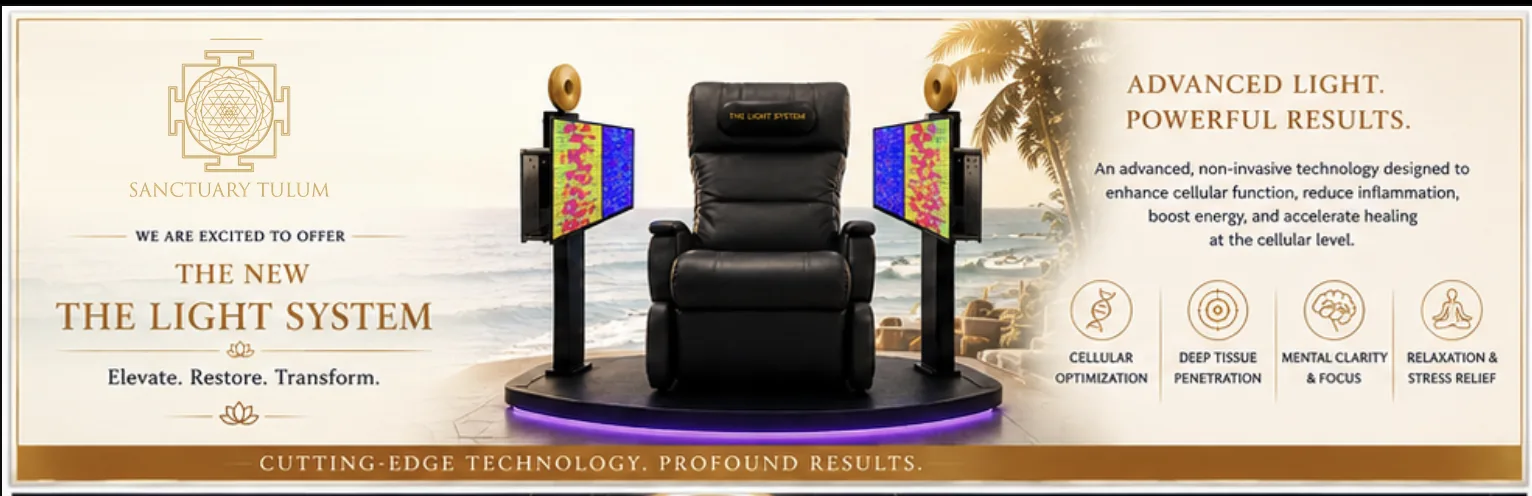
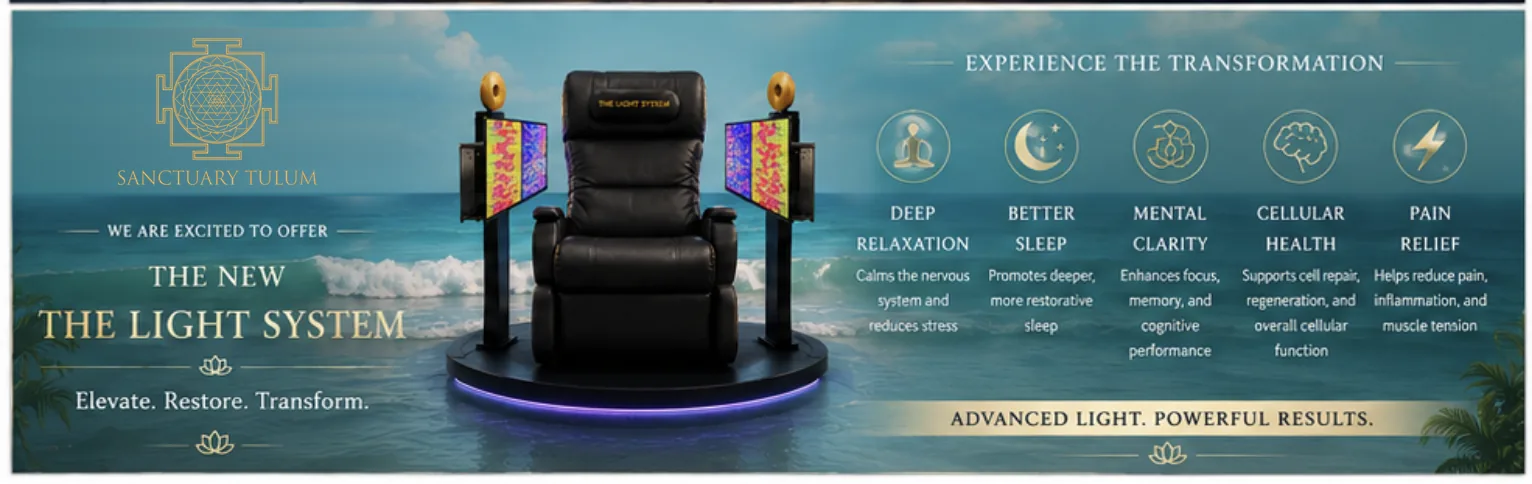
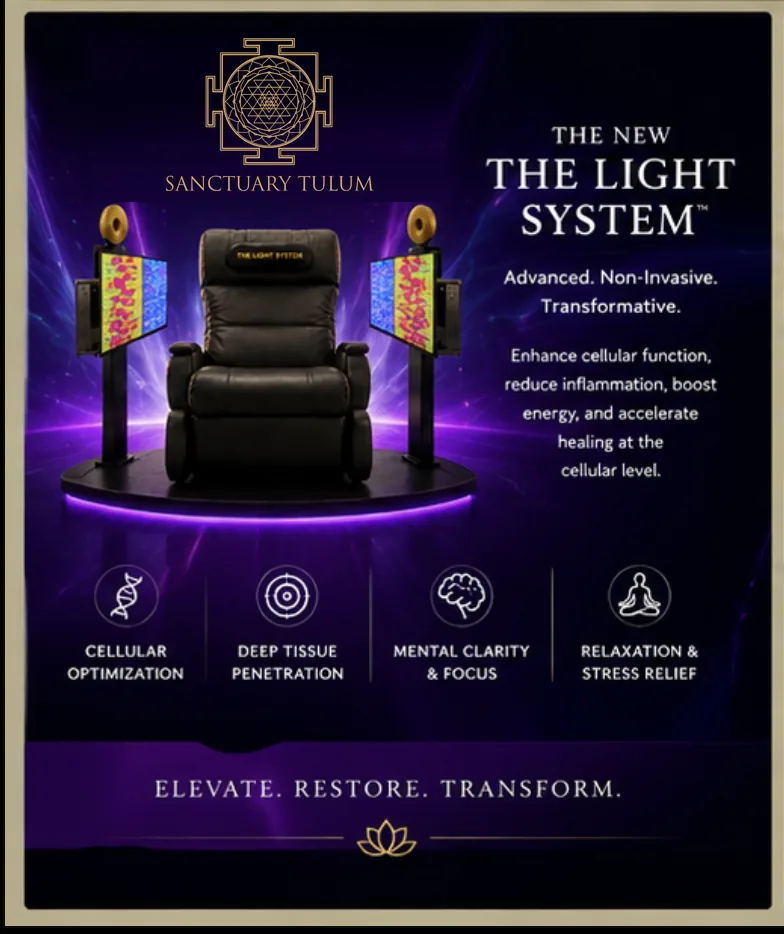
Technologies such as The Light System™ operate inside this environment while extending beyond conventional PBM parameters. TLS reports laboratory measurements of bioelectrical activity and cellular conductivity rather than clinical endpoints, and states that it makes no medical claims about the technology. Its data belongs to a different category than the trials above — informative, manufacturer-reported, and not yet a substitute for independent clinical testing.
What Would Move the Field
Three things. Standardized dosimetry reporting, so trials become comparable. Larger, adequately powered, sham-controlled trials with pre-registered endpoints. And independent replication of proprietary findings by groups with no commercial interest in the result. When those arrive, certainty ratings will move in one direction or the other — and either outcome is progress.
On safety, a 2025 evidence-based consensus on the clinical application of photobiomodulation concluded that PBM is generally safe for adult patients, with individual precautions still applying.
Continue with the full Light System™ research guide, light therapy safety, or light for pain and physical recovery.
The Open Questions
The productive questions in photobiomodulation research are no longer whether light interacts with tissue, but which parameters matter and for whom. Optimal wavelength and irradiance for a given target depth remain unsettled. So do session length, treatment frequency, total course duration, and whether pulsed delivery differs meaningfully from continuous. Because the dose response is biphasic, these are not minor details — they determine the direction of the result.
Standardization is the second open problem. Reviews in this field repeatedly note heterogeneity in devices, protocols and reporting that makes pooling studies difficult and certainty ratings low. Until parameter reporting becomes routine, positive trials will remain hard to replicate, and the field will keep accumulating findings that cannot be compared with one another.
The third question is durability. Most studies measure outcomes during or shortly after a treatment course; far fewer follow participants long enough to show whether any benefit persists once exposure stops. Adequately powered, pre-registered, sham-controlled trials with independent investigators and extended follow-up are what would move light therapy from plausible adjunct to established practice — and that work is underway rather than finished.
Educational information only. Not medical advice, and not an offer of The Light System™ as a service at Sanctuary Tulum.
Light therapy is one layer of a broader protocol. It is delivered alongside the wider holistic rehab program and the regenerative therapies described on our luxury wellness center page.