Light therapy has a favourable safety profile relative to most interventions people try for pain, sleep or recovery. That is genuinely reassuring and also frequently overstated. "Generally safe for adults in studied applications" is a different sentence from "safe for everyone, at any dose, with any device" — and the difference is where the useful information lives.
What the Consensus Actually Says
A 2025 evidence-based consensus on the clinical application of photobiomodulation, published in the Journal of the American Academy of Dermatology, concluded that PBM is generally safe for adult patients and identified clinical applications supported by evidence. Two qualifiers travel with that conclusion: adults, and studied applications. Consumer devices marketed for unstudied uses at undisclosed parameters are not what was assessed.
The broader picture is consistent. The 2025 umbrella review of photobiomodulation spanning 204 randomized controlled trials did not describe a pattern of serious harm; its main criticisms concerned certainty of benefit rather than risk. A low-risk intervention with modest, condition-specific benefits is a fair characterization of the field today.
Who Should Ask a Physician First
There is a short, practical list. Anyone with a photosensitivity condition. Anyone taking a photosensitizing medication — several antibiotics, retinoids, some diuretics and certain psychiatric medications belong in this category, and the only reliable check is your prescriber or pharmacist. Anyone with an eye condition. Anyone with an active malignancy, particularly where a device would be used over the affected area. Anyone pregnant. Anyone with a seizure disorder, especially with flickering or pulsed light. Anyone considering use over a recent surgical site, an implanted device, or an undiagnosed skin lesion.
None of those are absolute prohibitions in every case. They are situations where an individual assessment matters more than a product manual.
The Dose Trap
The most common misuse is not a safety incident — it is over-treatment that quietly cancels the effect. Reviews of photobiomodulation mechanisms describe a biphasic dose response: below a threshold nothing measurable happens, and above an optimal window the effect attenuates. Doubling session length to accelerate results is therefore not a conservative choice. It is a different, untested one.
The Bigger Risk Is Substitution
In practice, the most serious harm associated with low-risk wellness devices is delay. Persistent pain, worsening sleep, low mood, cognitive change and skin lesions all have differential diagnoses that deserve evaluation. A device that feels productive can absorb the months in which a diagnosis should have been made. That is the risk worth naming plainly, and it applies to every modality including our own.
Proprietary Devices and Disclosure
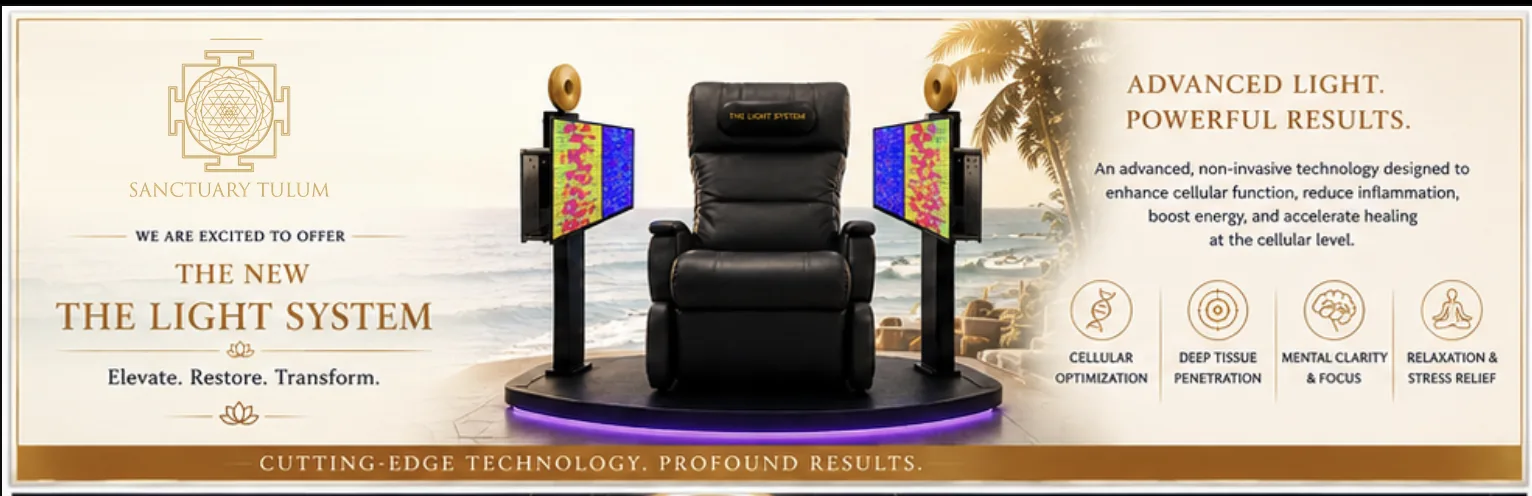
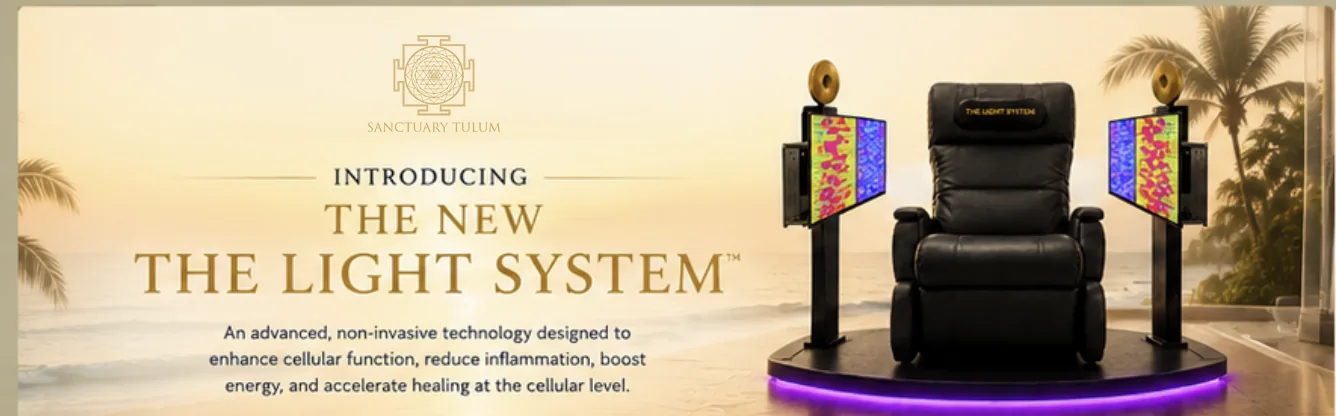
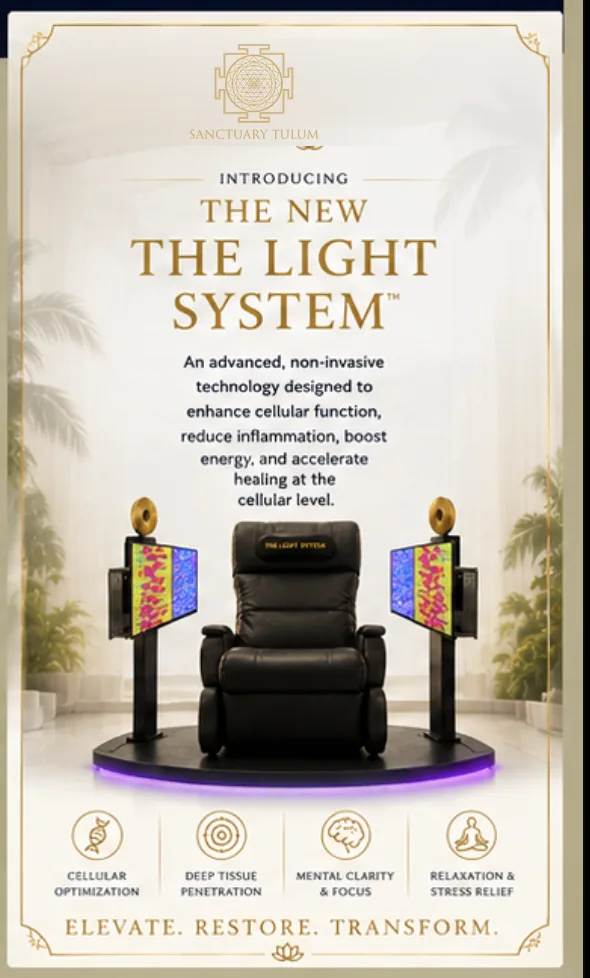
Where parameters are proprietary — as with The Light System™, which reports bioelectrical and conductivity measurements and states that it makes no medical claims about the technology — a safety assessment cannot be transferred from published PBM trials. Undisclosed parameters mean unknown comparability. Ask the manufacturer for wavelengths, irradiance, recommended session limits, eye-protection guidance and stated contraindications, and treat the absence of answers as information.
A Reasonable Approach
Start conservatively, follow the manufacturer's session limits, protect the eyes, keep exposure consistent rather than escalating, review any medication for photosensitivity, and get anything persistent properly diagnosed. Used that way, light exposure is a low-risk wellness input inside a broader plan.
Comparing Devices Before You Compare Claims
Safety questions are easier to answer once a device is placed in the right category. Conventional red light therapy panels are studied as photobiomodulation, a field defined by disclosed wavelength, irradiance and dose. Proprietary systems, including The Light System™, report different measurements — bioelectrical activity and cellular conductivity rather than published irradiance figures. That does not make a proprietary device unsafe. It means the published PBM safety literature cannot be assumed to transfer automatically, and a buyer should ask the same five questions of any device: wavelength, irradiance, session limits, eye-protection guidance and stated contraindications.
Manufacturer transparency is itself a safety signal. A company that publishes its parameters, funds or cites independent testing, and states clearly what its device does not claim to do is easier to evaluate than one that relies on testimonials alone. Absence of disclosure is not proof of danger, but it does shift the burden back onto the user to ask more questions before committing to a regular session schedule.
Reading an Adverse Event Report Correctly
Most reported adverse events associated with light-based devices are mild and self-limited — transient redness, warmth, dryness or headache. Severe events are rare and typically trace back to a specific, identifiable cause: unprotected eye exposure to a high-irradiance source, use over an area that should have been medically evaluated first, or a device used well outside its intended parameters. Reading a case report or an adverse event summary with that context in mind prevents two opposite errors — dismissing every report as noise, or treating a rare severe outcome as the typical experience.
A Short Pre-Session Checklist
Before starting any regular light-based routine, it is reasonable to confirm five things: that a physician has reviewed current medications for photosensitizing interactions; that any active skin, eye or systemic condition has been evaluated rather than self-diagnosed; that the manufacturer's stated session length and frequency are being followed rather than extended informally; that eye protection is available and used consistently with higher-irradiance devices; and that the device is understood as a wellness input, not a substitute for medical diagnosis or treatment of a persistent symptom. None of those steps eliminates risk entirely, but together they account for the large majority of preventable issues described in the safety literature.
Continue with the full Light System™ research guide, the science of light therapy, or our medical disclaimer.
Sensible Precautions in Practice
Consensus reviews describe photobiomodulation as generally well tolerated in adults, with reported adverse effects typically mild and transient — temporary warmth, skin redness, dryness, or headache and eye strain when eye protection is not used. Tolerability, however, is not the same as suitability for everyone, and a general safety statement is not a clearance for any individual situation.
Specific circumstances warrant a physician conversation first: known photosensitivity, use of photosensitizing medications such as certain antibiotics, retinoids, diuretics and psychiatric drugs, existing eye disease or recent eye surgery, pregnancy, active or suspected malignancy, epilepsy where flickering light is a trigger, autoimmune conditions with photosensitive features such as lupus, and any implanted device where a manufacturer advises against local exposure. Applying light over undiagnosed skin lesions is also unwise.
Practical rules reduce most residual risk. Use manufacturer-specified distances and durations rather than extending sessions, since more exposure is not better exposure. Wear appropriate eye protection with high-irradiance devices. Avoid treating over an undiagnosed lump, rash or area of unexplained pain. Stop and seek advice if symptoms worsen. And treat light as an adjunct within a program supervised by qualified professionals, never as a replacement for diagnosis or treatment.
Educational information only. Not medical advice, not a diagnosis, and not an offer of The Light System™ as a service at Sanctuary Tulum. Always consult a qualified physician before beginning any new therapy.