Sleep is the substrate everything else in recovery sits on. Memory consolidation, hormonal regulation, immune function, emotional resilience, tissue repair — the majority of restorative biology is scheduled overnight. So when a wellness technology claims to support sleep, that claim is worth examining carefully rather than dismissing or repeating.
What the Sleep Trials Actually Found
The most directly relevant evidence is a systematic review and meta-analysis of photobiomodulation and sleep quality. It identified five randomized controlled trials involving 240 participants. Pooled results suggested an improvement in Pittsburgh Sleep Quality Index scores compared with sham treatment — and the authors were explicit that precision was limited given how few trials exist.
Five trials with 240 participants is a real signal and a small evidence base at the same time. It is enough to justify further research and enough to make a cautious wellness case. It is not enough to support a claim that light therapy fixes sleep, and any page telling you otherwise has stopped reading at the abstract.
Proposed Mechanisms
Why would light exposure affect sleep at all? Two distinct pathways get discussed. The first is circadian: light is the dominant environmental cue for the body clock, and timing of exposure influences sleep-wake regulation. That is well established for bright-light exposure generally.
The second is the photobiomodulation pathway. A 2025 systematic review of transcranial photobiomodulation, sleep, wakefulness and cognition discussed possible relationships involving cerebral mitochondrial activity and cerebral blood flow. Reviews of mitochondrial redox signalling describe the cellular groundwork. These are hypotheses supported by mechanistic plausibility, not confirmed physiology.
The Underrated Variable: The Session Itself
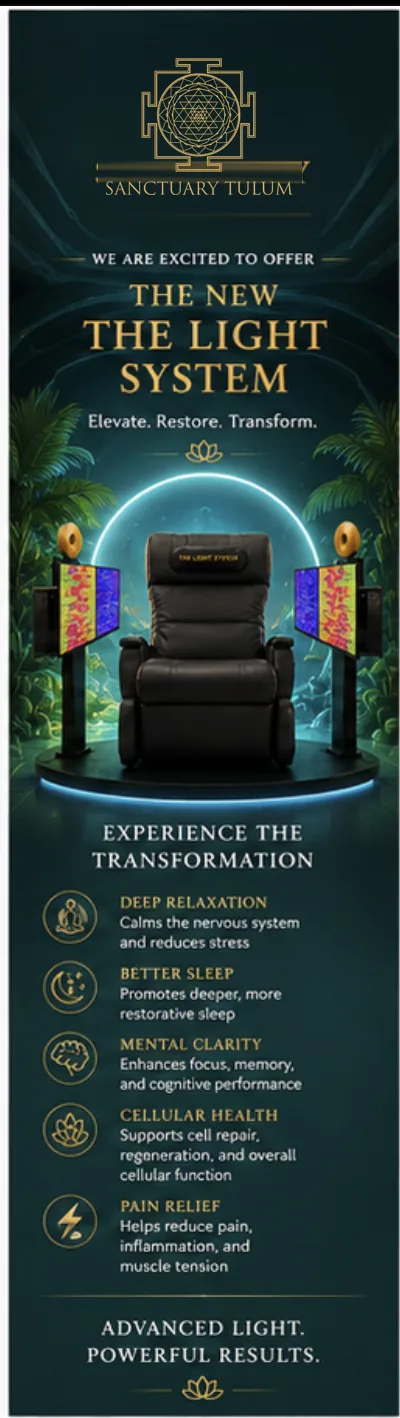
There is a plainer explanation that rarely gets credit. A light session is typically twenty to sixty minutes of dim, low-stimulation stillness with no screen, no conversation and no task. For someone whose nervous system runs on continuous input until the moment they lie down, that alone is a meaningful intervention. It is not a mystical effect and it is not a placebo to be embarrassed about — it is behavioural sleep hygiene delivered inside a pleasant ritual.
That is why sham-controlled trials matter. Separating the light from the stillness is exactly the problem the literature is still working through, and it is why certainty in this area remains modest.
Recovery Beyond Sleep
Physical recovery is where the wider evidence base is more substantial. The 2025 umbrella review of photobiomodulation analyzed 15 meta-analyses and 204 randomized controlled trials, reporting significant effects for 12 of 35 outcomes — including fibromyalgia-related fatigue and certain pain and disability measures — with certainty ranging from very low to moderate. Research in tendinopathy across 17 randomized trials and 835 participants found greater pain and function improvements when light was combined with exercise than with sham plus exercise.
Note the pattern in that last finding: combined with exercise. Across the recovery literature, light performs best as an adjunct to something that already works — loading, movement, rehabilitation, sleep, nutrition. It is an accelerant, not a replacement.
Sensible Use
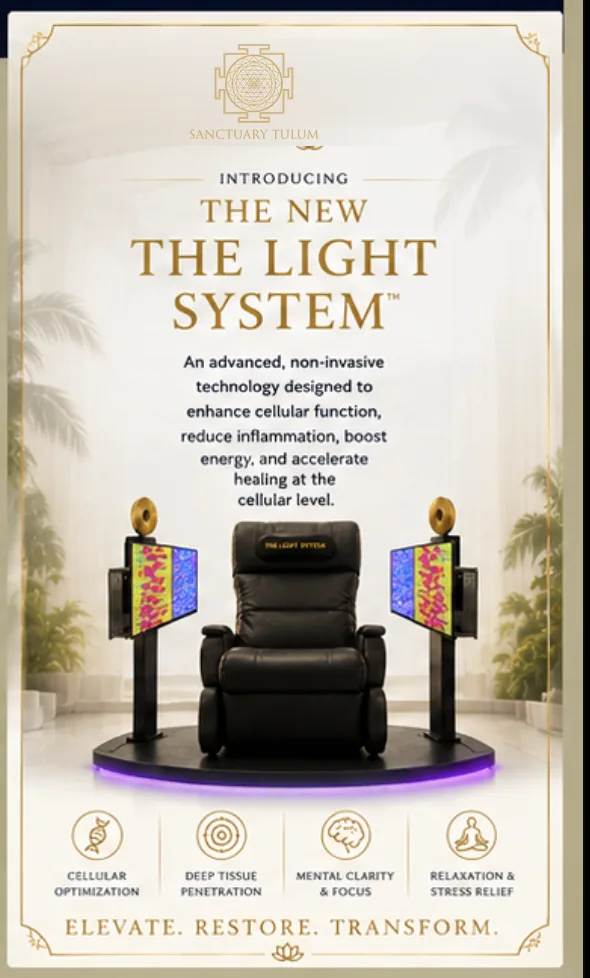
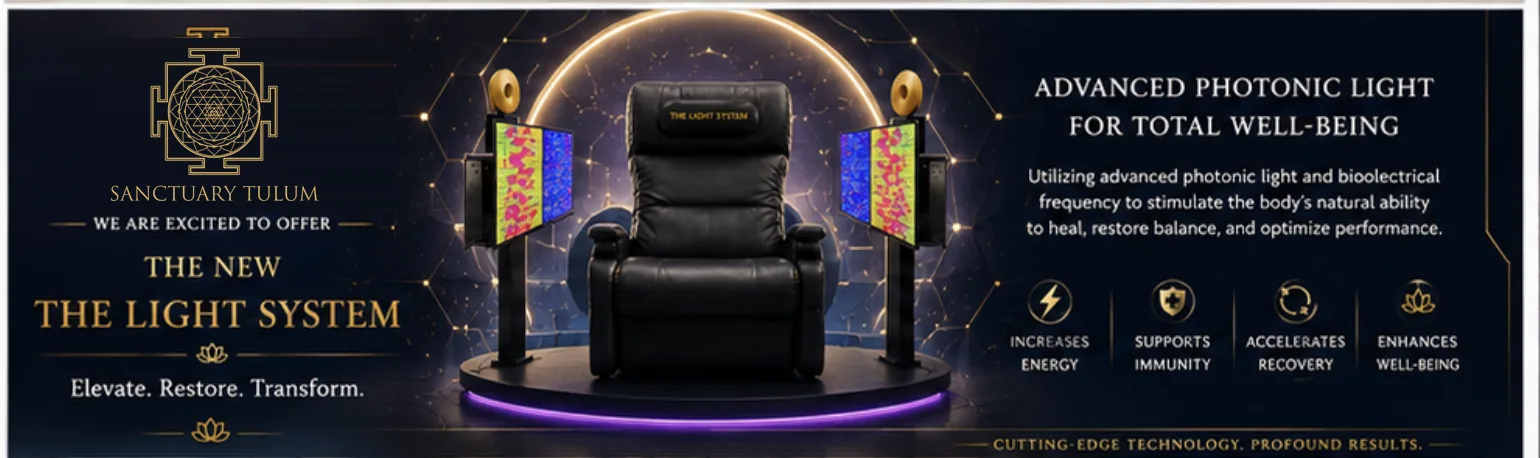
Keep exposure consistent rather than heroic, treat the session as protected wind-down time, and do not use light as a substitute for evaluating a persistent sleep problem. Insomnia, sleep apnoea and circadian disorders are medical issues with proper diagnostic pathways. For context on our own physician-supervised modalities, see infrared sauna therapy, meditation therapy and the full Light System™ research guide.
Fundamentals Before Devices
Sleep is the area where non-device factors are most powerful, which makes it the area where an adjunct is hardest to isolate. Consistent wake times, bright natural light within an hour of waking, reduced evening light exposure, a cool dark room, and caffeine and alcohol timing all have larger and better-established effects on sleep architecture than any light panel studied to date. Any honest evaluation of a device starts by fixing those first.
That sequencing also makes evaluation possible. With a stable baseline, a change after adding an adjunct means something; without one, improvement may simply reflect the routine that came with it. Trials in this area are small, and expectation effects are difficult to control when the intervention is visible, warm and relaxing — which is precisely why sham-controlled designs and blinded assessment matter more here than almost anywhere else in the field.
Anyone with persistent insomnia, loud snoring or witnessed breathing pauses, unrefreshing sleep despite adequate duration, or excessive daytime sleepiness should be assessed by a physician rather than treated with a device. Sleep apnoea, thyroid dysfunction, depression, chronic pain and medication side effects are common, treatable causes, and none of them respond to light. Adjuncts belong after a diagnosis, not instead of one.
How This Fits a Broader Recovery Program
Light exposure is one input among several that guests at Sanctuary Tulum use to support sleep and nervous-system recovery. It is commonly paired with structured downtime, meditation therapy to lower pre-sleep arousal, and infrared sauna sessions earlier in the day to support circadian temperature regulation. For guests working through more intensive protocols — including medically supervised detox or plant-medicine work such as ayahuasca ceremonies — sleep quality during the surrounding days is treated as a clinical variable the medical team tracks, not an afterthought. None of this changes the underlying evidence limitations described above; it simply reflects how a single wellness input is sequenced inside a broader, physician-supervised stay described in the Pouyan Method™.
Questions to Ask Before Trying Any Light Device
Anyone considering a light-based sleep or recovery device should ask a few plain questions before investing time or money: What wavelength and dose was used in the trials being cited, and does the device match it? Was the comparison sham-controlled, or only before-and-after within the same group? How many participants were in the trial, and has it been replicated? And critically — does the seller make a specific medical claim, or a general wellness claim? Reputable providers, including The Light System, are explicit that outcomes vary and that the technology is not positioned as a treatment for a diagnosed sleep disorder. Guests are always encouraged to loop in their own physician about any home device, especially where medications, pregnancy, or a diagnosed photosensitivity condition are involved.
For a facility-level view of how light-based wellness sits inside broader medical oversight, see our approach to safety and medical supervision and the credentialing detail on the Medical Review Board page.
Educational information only. Not medical advice, and not an offer of The Light System™ as a service at Sanctuary Tulum.
References
- Systematic review and meta-analysis of photobiomodulation and sleep quality: five randomized controlled trials, 240 participants.
- Systematic review of transcranial photobiomodulation, sleep, wakefulness and cognition. 2025.
- Review of mitochondrial redox signalling and cellular mechanisms.
- Umbrella review of photobiomodulation: 15 meta-analyses, 204 randomized controlled trials. 2025.
- Randomized trial evidence in tendinopathy: 17 trials, 835 participants, light combined with exercise. 2021.