A true luxury treatment center for mental health ranges from $50,000 to $200,000+ depending on program length, medical complexity, and included therapies. The cost reflects private accommodations, one-on-one clinicians, regenerative medicine, and licensed plant medicine — not group therapy in a converted hotel.
Learn what actually happens during the ayahuasca ceremony itself — ritual structure, facilitator's role, the purge, and next-morning integration.
What Drives Luxury Pricing
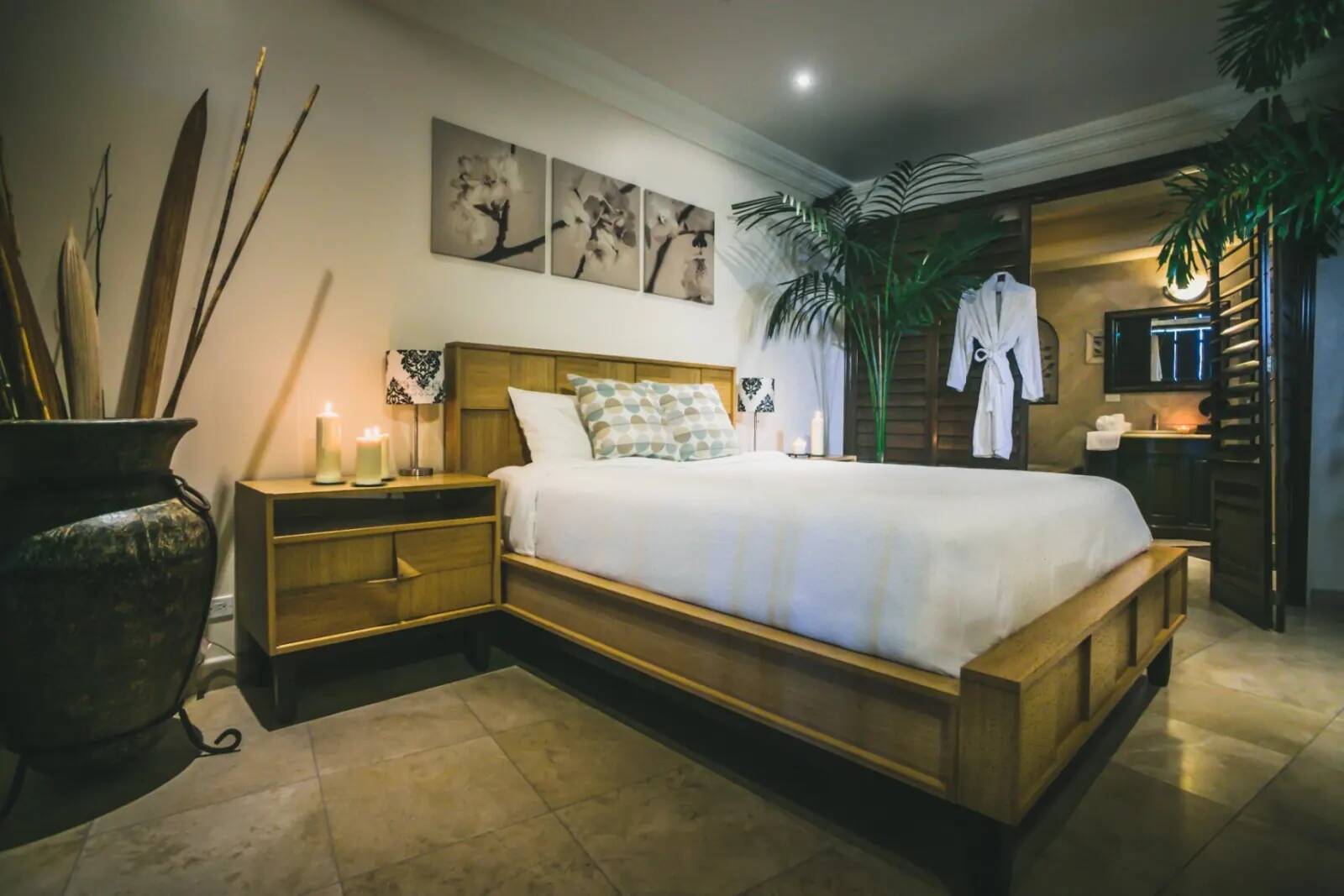
- Oceanfront private suites and executive chef nutrition.
- 35+ hours of one-on-one clinical time per week — no groups.
- Regenerative medicine: stem cells, NAD+, HBOT.
- Licensed Ibogaine and Ayahuasca under medical supervision.
Long-Term Value
Conventional psychiatric care costs $10,000–$25,000 per year forever — medication, appointments, hospitalizations, missed work. A single successful stay at a luxury treatment for anxiety replaces decades of that spend and, more importantly, restores real quality of life.
See our packages and pricing.
Clinical Screening Before Any Protocol
Every prospective guest completes a confidential clinical intake and full medical screening before any ceremony, high-dose IV, or regenerative protocol is scheduled. The intake reviews current medications, medical history, cardiovascular status, and mental health history. Where a client is currently prescribed SSRIs, SNRIs, MAO inhibitors, benzodiazepines, opioids, or lithium, the medical team plans a documented taper or pause window with the treating physician before luxury mental health treatment cost work begins. Sanctuary Tulum never advises guests to discontinue prescribed medication on their own.
On-Site Medical Oversight
A physician is on site, supported by registered nurses, IV therapy specialists, and integrative practitioners. Vitals are monitored across every physician-supervised session — blood pressure, oxygen saturation, and cardiac rhythm where clinically indicated — with emergency medications and airway equipment on hand. Credentialing detail lives on the Medical Review Board page, and a broader description of the safety approach is on the safest psychedelic facility page. Guests are welcome to review both before deciding whether the program fits them.
How Luxury mental health treatment cost Fits the Full Program
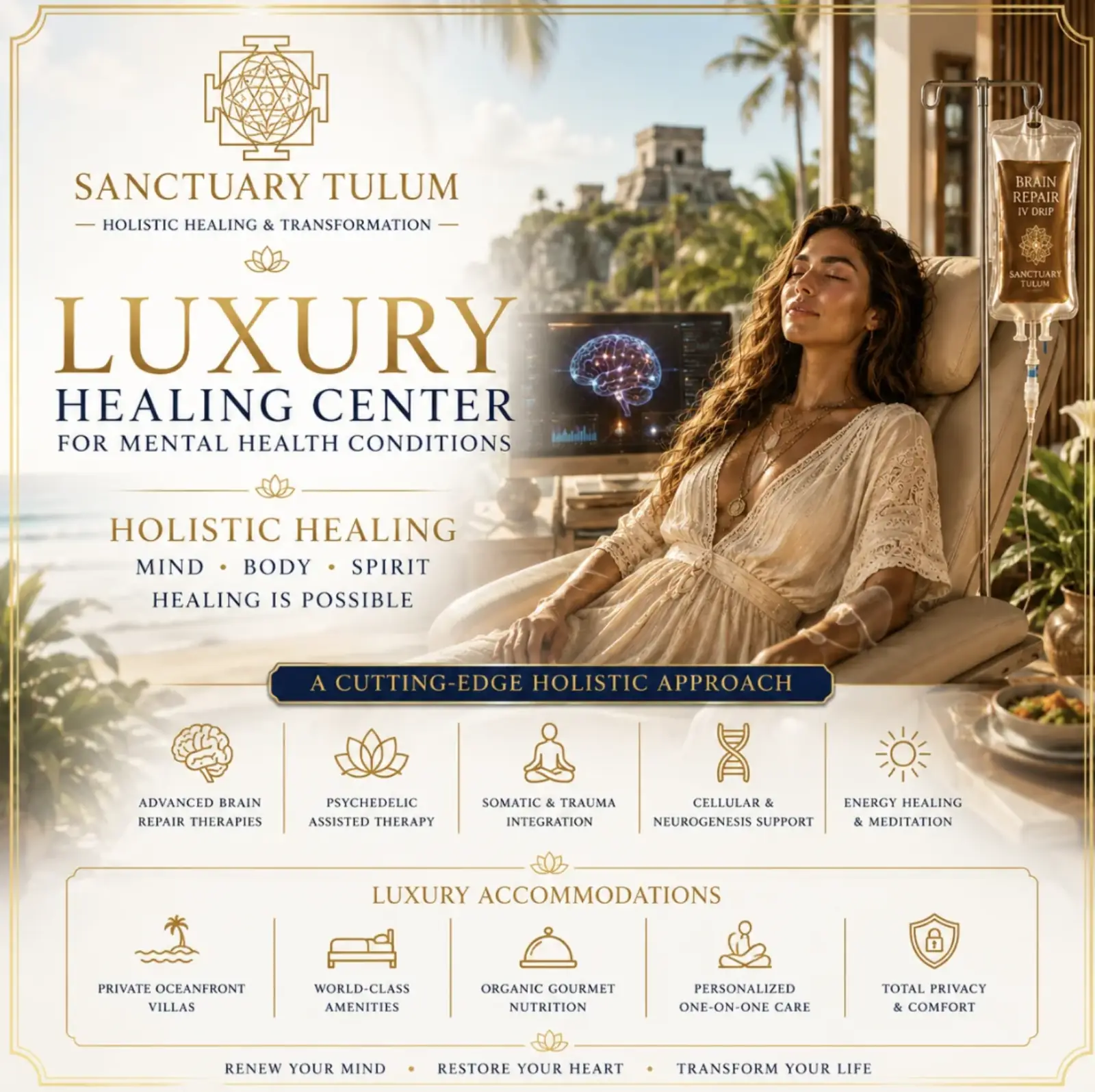
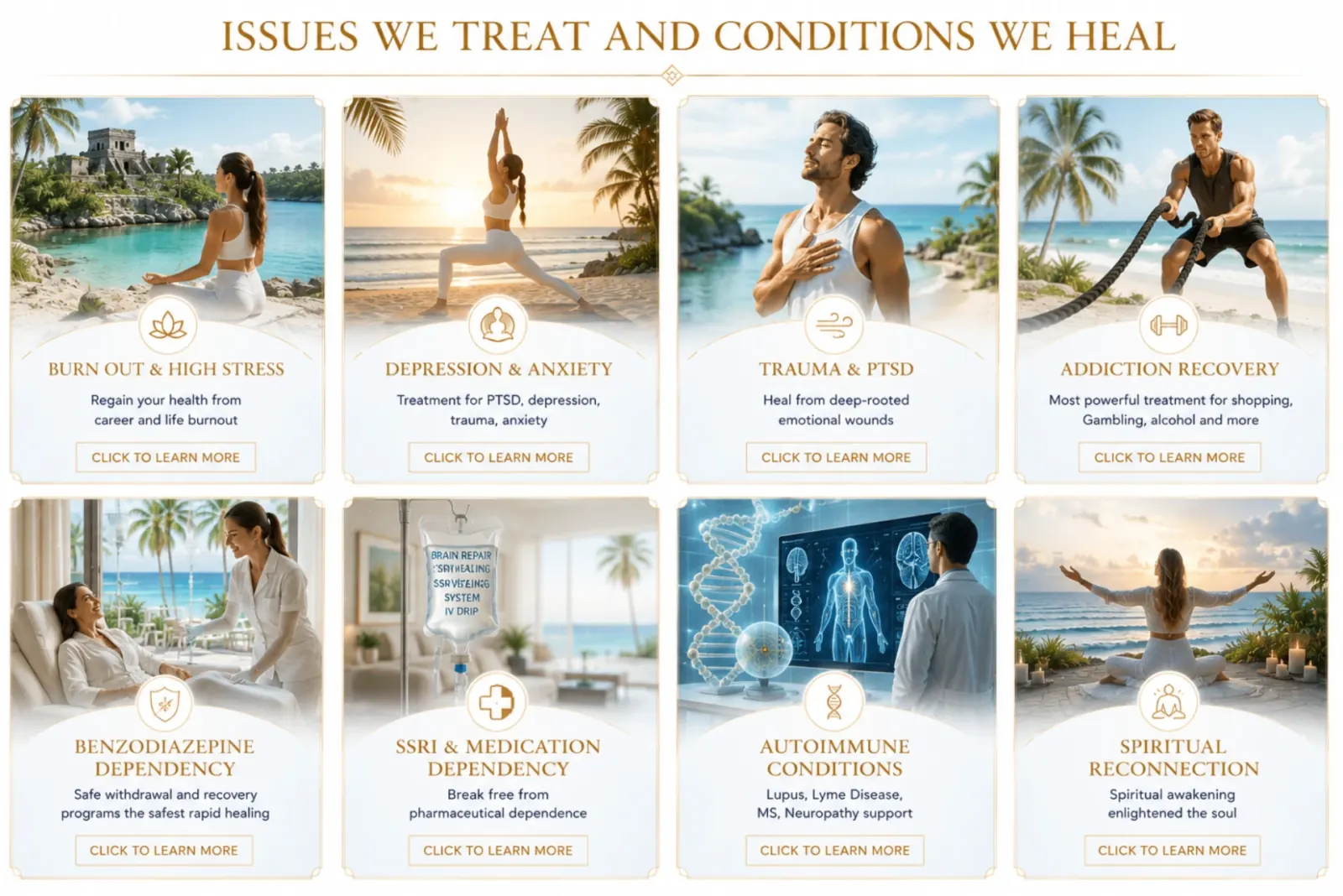
The luxury mental health program integrates biological, neurological, and psychological work rather than isolating one modality. That means medical stabilization first, followed by a physician-scheduled combination of IV therapy, HBOT, nutrition, and — where clinically appropriate — medically supervised ibogaine therapy program, medically supervised ayahuasca ceremonies, 5-MeO-DMT, or psilocybin therapy. The exact sequence is set individually — one guest's program rarely looks identical to another's.
Integration and Aftercare
A stay is only useful if it holds. Every program ends with a written integration and aftercare plan — continued one-on-one check-ins with the integration team, referral to trauma-informed practitioners at home when appropriate, and lifestyle protocols covering nutrition, sleep, movement, and nervous-system regulation. Guests are encouraged to keep their existing relationships with a treating physician and to return for booster stays when a specific life transition benefits from it. For a full overview of the sanctuary philosophy, read about the proprietary Pouyan Method™.
References
What a Typical Day Looks Like
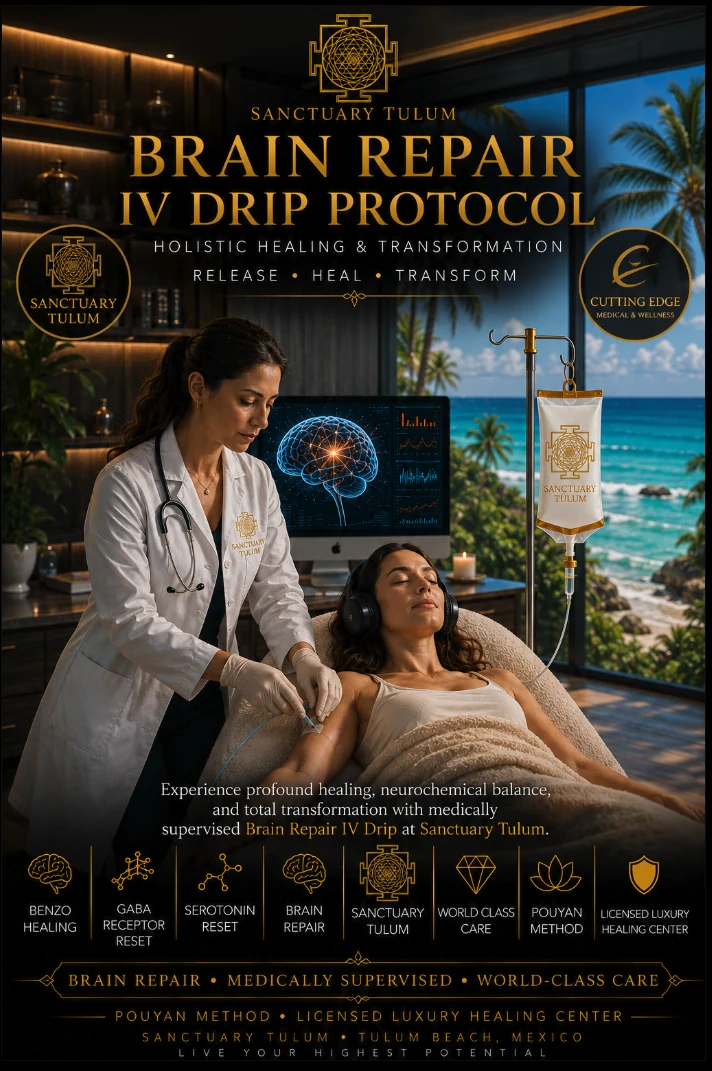
Days at Sanctuary Tulum are structured but not rushed. Guests wake in an oceanfront suite, take a slow start with breath practice and light movement on the beach, then move into the first clinical block of the day. That block is set by the medical team the night before based on the guest's current labs, sleep quality, and how the previous day landed. It might be an amino-acid or NAD+ IV, an HBOT session, a red-light exposure, a physician review, or a preparation session for an upcoming ceremony. Meals are organic, plant-forward, and served privately rather than in a group dining hall. Afternoons often include one-on-one integration time, targeted Pouyan Method™ protocols, and time in the ocean. Evenings are quiet — nervous-system regulation matters as much as any active intervention. This whole-day rhythm is the reason the program is described as residential rather than outpatient, and it is central to how luxury mental health investment actually holds.
Who Benefits Most
The luxury mental health program is a strong fit for adults who have already tried the conventional route — repeated outpatient care, several rounds of medication, one or more short-stay rehab or hospital admissions — and are looking for a fundamentally different model. It is also a fit for people arriving without any prior treatment who prefer to start with an integrative, physician-supervised program rather than default to pharmaceutical management. It is not a fit for active psychosis, unstable cardiac disease, or acute suicidal crisis — those cases require conventional hospital care first, and the admissions team will say so honestly during the confidential intake. For a wider view of how the sanctuary works with different clinical pictures, see the What Makes Us Different and All Treatments pages, along with our Medical Review Board.
Honest Limits and Expectations
No ethical program guarantees outcomes, and Sanctuary Tulum does not. What the program does guarantee is a fully staffed, licensed medical environment, protocols that are individualized rather than templated, and continued relationship with the integration team after the guest goes home. Guests are asked to keep their existing relationships with their treating clinicians throughout the process, to be honest at intake about current medications and prior treatment history, and to give the program the length of stay the medical team recommends. Shortening a stay to fit a work calendar is the most common reason a guest walks away with a partial result. If cost, logistics, or timing are constraints, the admissions team will say so during the confidential call — the honest conversation is more useful than a brochure.