PTSD lives in the nervous system, not in the intellect, which is why explaining the trauma rarely dissolves it. A luxury treatment center for mental health that combines medically supervised plant medicine with regenerative and somatic therapy is designed to reach trauma at the level it is actually stored.
Why PTSD Is a Nervous-System Injury
Yehuda's decades of neuroendocrine research documented that PTSD is associated with a specific HPA-axis pattern — low basal cortisol, enhanced negative feedback sensitivity, and elevated CRH — that distinguishes it from primary depression.1 Van der Kolk and colleagues' 2014 randomized trial of yoga for treatment-resistant PTSD, published in the Journal of Clinical Psychiatry, showed clinically meaningful symptom reduction from a body-based intervention alone.2 The clinical implication is that any serious PTSD program has to work with the body, not around it.
The Evidence for Psychedelic-Assisted Trauma Work
Mitchell et al.'s 2021 Nature Medicine phase 3 trial of MDMA-assisted therapy for severe PTSD reported a large, clinically significant effect over placebo, with 67% of the treatment arm no longer meeting PTSD criteria at study end.3 Krediet's 2020 review in the International Journal of Neuropsychopharmacology examined the wider psychedelic-for-PTSD literature — ayahuasca, psilocybin, ketamine — and concluded the mechanistic case is strong even where trial data is still early-stage.4 Sanctuary Tulum is transparent about this asymmetry: MDMA-AT trial data is the most mature, while ayahuasca and psilocybin for PTSD specifically remain earlier in the evidence arc. Both can still be clinically useful in an experienced hands-on setting.
A Layered Protocol for Complex Trauma
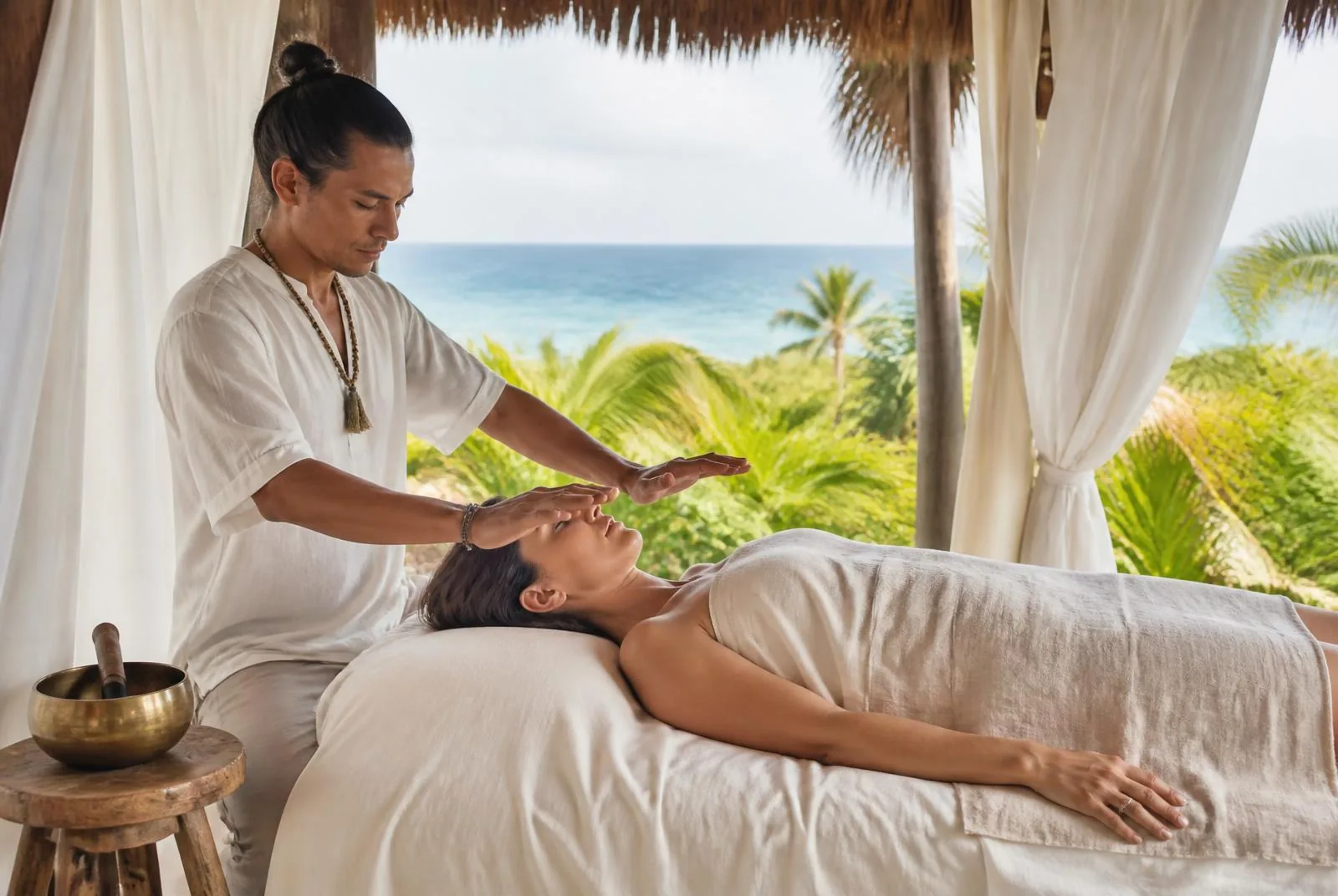
- Somatic layer. Daily breathwork, ocean immersion, bodywork, and structured movement to restore interoception.
- Biological layer. NAD+, amino-acid IVs, HBOT, and stem cell consultation for the neuroinflammatory footprint of chronic trauma.
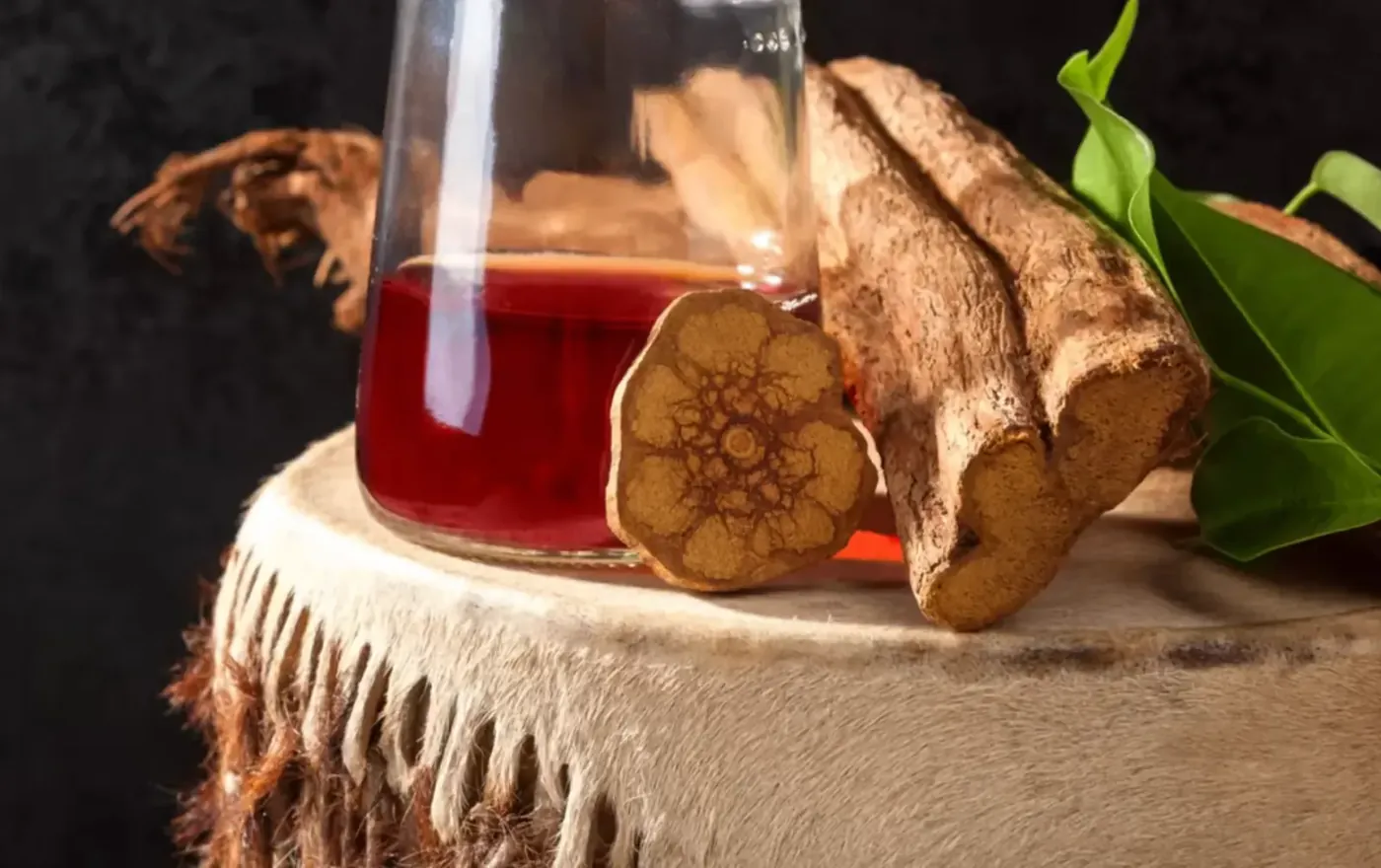
- Ceremony layer. Where clinically appropriate, medically supervised ayahuasca, 5-MeO-DMT, psilocybin, or ibogaine.
- Integration layer. One-on-one integration sessions during the stay and 90 days after, replacing the group-therapy model that most PTSD guests have already tried without success.
Considerations for Veterans and First Responders
Veterans and first responders often arrive with polytrauma: TBI, chronic pain, sleep disruption, moral injury, and a long medication list. The Brown and Alper 2018 review in the American Journal of Drug and Alcohol Abuse documented ibogaine's role in opioid dependence, which matters here because many veterans arrive with prescription opioid or benzodiazepine dependency that developed alongside the PTSD.5 Any prescribed medications — particularly SSRIs, mood stabilizers, and benzodiazepines — are reviewed and, where necessary, tapered in writing with the treating clinician before ceremony work begins. Sanctuary Tulum does not advise stopping prescribed medication independently, and cardiac clearance is standard for anyone with a history of TBI or QT-affecting medications.
Comorbid Depression, Substance Use, and Sleep Disruption
PTSD rarely presents alone. Depression, alcohol or benzodiazepine dependency, and severe sleep disruption sit alongside it in most guests. Trying to treat these one at a time — clear the substance first, then the trauma, then the sleep — usually fails, because each layer feeds the next. The sanctuary's model treats them concurrently within a single residential window, which is why programs run 4–12 weeks rather than a fortnight. For the substance-use side, see luxury rehab center and luxury benzo detox; for sleep, restoration is built into every daily protocol.
What a Realistic Recovery Arc Looks Like
In the first two weeks, most guests describe a drop in hyperarousal and better sleep — the somatic and biological layers acting first. Ceremony work, when it is part of the plan, tends to produce the more permanent shift, and it is followed by 60–90 days of integration during which the nervous system consolidates a new baseline. PTSD that has been present for a decade rarely resolves in a fortnight, and any program promising that should be viewed with skepticism. What Sanctuary Tulum commits to is a licensed medical environment, protocols individualized to the trauma history, and continued integration relationship after discharge. Details on clinicians and monitoring live on the Medical Review Board and safest psychedelic facility pages, and the broader philosophy is on the Pouyan Method™ page.
References
- Yehuda R. "Status of glucocorticoid alterations in post-traumatic stress disorder." Ann N Y Acad Sci. 2009;1179:56-69.
- van der Kolk BA et al. "Yoga as an adjunctive treatment for posttraumatic stress disorder: a randomized controlled trial." J Clin Psychiatry. 2014;75(6):e559-565.
- Mitchell JM et al. "MDMA-assisted therapy for severe PTSD: a randomized, double-blind, placebo-controlled phase 3 study." Nat Med. 2021;27(6):1025-1033.
- Krediet E et al. "Reviewing the Potential of Psychedelics for the Treatment of PTSD." Int J Neuropsychopharmacol. 2020;23(6):385-400.
- Brown TK, Alper K. "Treatment of opioid use disorder with ibogaine: detoxification and drug use outcomes." Am J Drug Alcohol Abuse. 2018;44(1):24-36.
To see how this fits into a complete program, explore our luxury treatment center for PTSD.