
Venlafaxine — sold under the brand name Effexor and Effexor XR — is a serotonin-norepinephrine reuptake inhibitor (SNRI) approved for major depressive disorder, generalized anxiety disorder, social anxiety disorder, and panic disorder. Its FDA-approved prescribing information contains specific, detailed language about discontinuation symptoms that patients and families should understand before beginning, adjusting, or stopping treatment. The information below is drawn directly from that label and peer-reviewed clinical literature and is provided for educational purposes only. It is not medical advice. Never adjust or discontinue a prescribed antidepressant without physician supervision.
What the FDA Label Says About Discontinuation
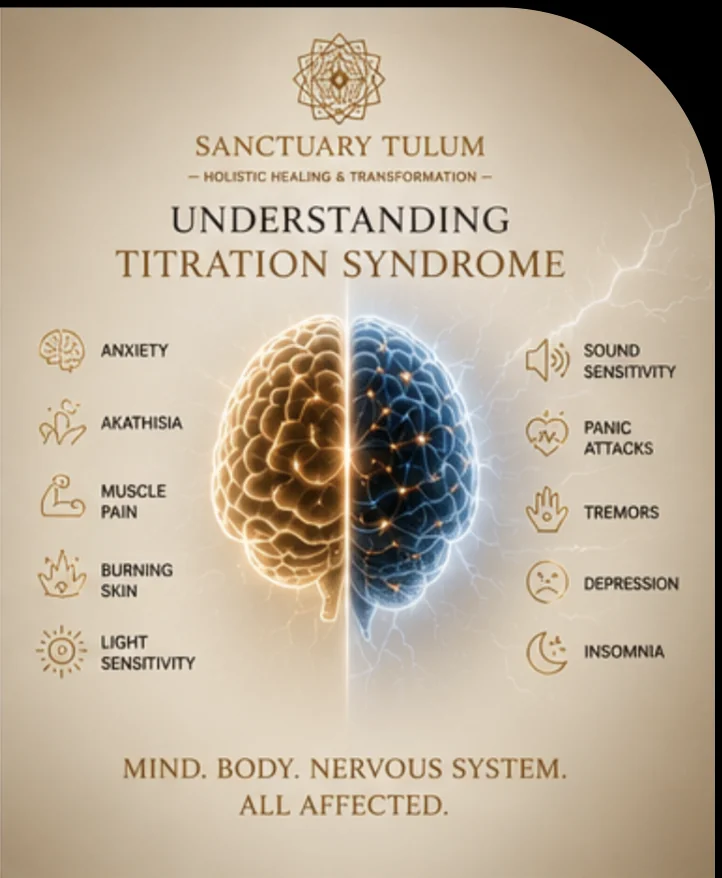
The current FDA prescribing information for venlafaxine explicitly warns that abrupt discontinuation or dose reduction is associated with the appearance of new symptoms. The label enumerates them: agitation, anorexia, anxiety, confusion, impaired coordination and balance, diarrhea, dizziness, dry mouth, dysphoric mood, fasciculation, fatigue, headaches, hypomania, insomnia, nausea, nervousness, nightmares, sensory disturbances (including shock-like electrical sensations), somnolence, sweating, tremor, vertigo, and vomiting. Frequency of these symptoms rises with higher doses, longer duration of therapy, and more rapid taper. (Source: FDA prescribing information for Effexor XR (venlafaxine), accessdata.fda.gov (PDF).)
The label further notes that postmarketing reports describe serious discontinuation symptoms — including cases where symptoms have been severe and protracted — and directs clinicians to "monitor patients for these symptoms when discontinuing treatment," recommending gradual dose reduction where possible rather than abrupt cessation.
Why Venlafaxine's Half-Life Matters
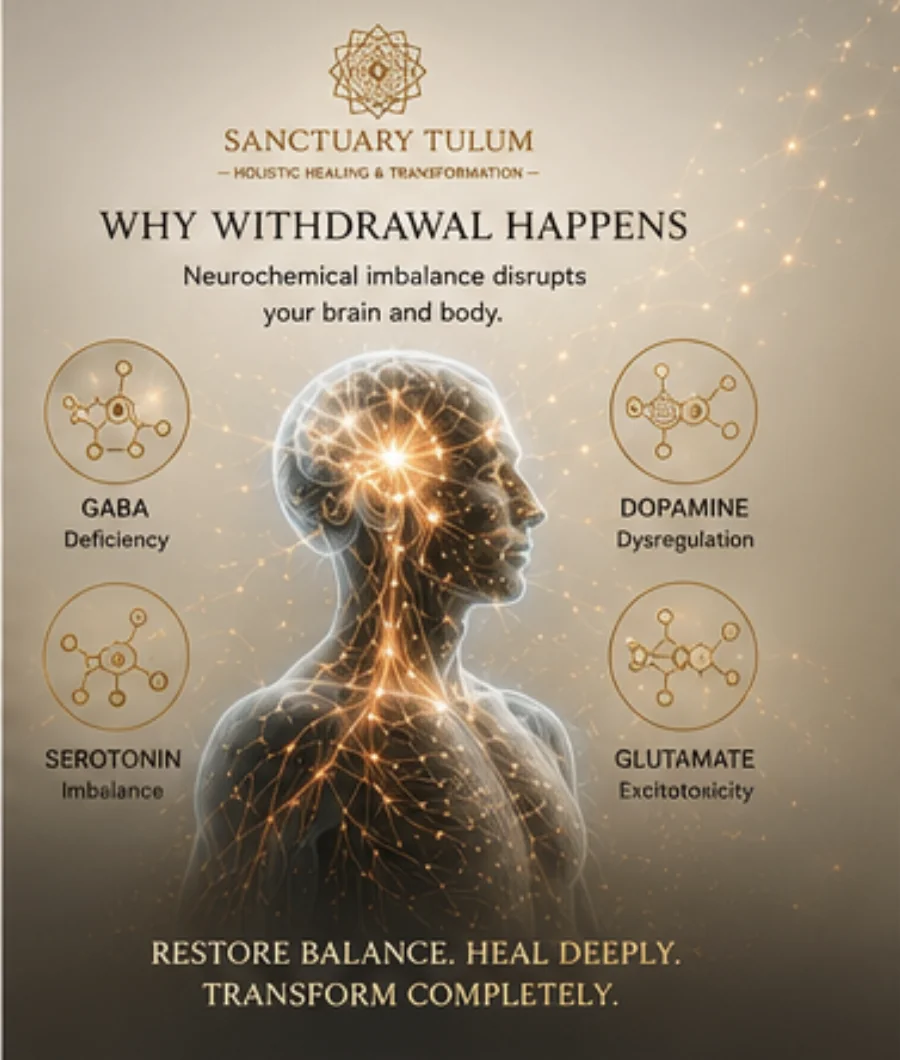
Venlafaxine has a plasma elimination half-life of approximately 5 hours for the parent compound and 11 hours for its active metabolite O-desmethylvenlafaxine (ODV). In pharmacokinetic terms, that is very short compared with other antidepressants — fluoxetine's active metabolite norfluoxetine, by contrast, has a half-life measured in days. Short half-lives translate to steep plasma-concentration drops between doses and after cessation, which is the mechanistic basis for the severity and rapid onset of venlafaxine discontinuation symptoms.

Clinical Evidence Beyond the Label
A 2024 systematic review and meta-analysis published in The Lancet Psychiatry quantified antidepressant discontinuation symptoms across trials, reporting that a substantial minority of patients discontinuing antidepressants develop clinically meaningful discontinuation symptoms, with venlafaxine among the agents associated with the highest incidence and severity — a finding consistent with its short half-life (Henssler et al., Lancet Psychiatry, 2024). Individual case reports have documented prolonged discontinuation syndromes with severe gastrointestinal symptoms lasting months (PMC11290374).
Discontinuation Symptoms Are Not Relapse
One clinically important point emphasized in the antidepressant discontinuation literature: symptoms emerging within days of a dose reduction — especially sensory disturbances, dizziness, nausea, and "brain zaps" — are pharmacological discontinuation phenomena, not evidence that the underlying depression or anxiety has returned. True relapse typically has a slower onset over weeks. Misattributing discontinuation symptoms to relapse is a common reason patients are re-started on medication indefinitely.
Tapering Strategies
Standard clinical guidance is to taper venlafaxine gradually, often over weeks to months, and slower still for long-term users. Because commercially available Effexor XR capsules contain fixed-dose beads, achieving fine-grained dose reductions sometimes requires bead-counting, compounded liquid formulations, or bridging strategies — decisions that must be made with the prescribing physician. Hyperbolic tapering (proportional reductions that become progressively smaller in absolute size at lower doses) has attracted attention in the recent literature as a way to reduce end-of-taper severity.
Physician-Supervised Support at Sanctuary Tulum
Guests arriving at Sanctuary Tulum on venlafaxine complete a full medical screening. Any taper is planned in coordination with the guest's prescribing physician, executed under on-site medical supervision, and supported by the neuro-restorative components of the Brain Repair IV drip protocol — amino acid, magnesium, and glutathione infusions calibrated to support neurotransmitter rebalancing during discontinuation. This is offered as part of the broader holistic rehab center program and detailed on the page for SSRI and antidepressant treatment. For drug-specific context, see the companion posts on Cymbalta (duloxetine), Lexapro (escitalopram), Zoloft (sertraline), and Seroquel (quetiapine), and the class-level overview at antidepressant discontinuation syndrome.
References
- U.S. Food and Drug Administration. Effexor XR (venlafaxine) — Prescribing Information. accessdata.fda.gov (PDF).
- Henssler J, Schmidt Y, Schmidt U, et al. "Incidence of antidepressant discontinuation symptoms: a systematic review and meta-analysis." Lancet Psychiatry. 2024. thelancet.com.
- Case report — protracted venlafaxine discontinuation syndrome with severe gastrointestinal symptoms. PMC11290374.
- National Library of Medicine, DailyMed. Venlafaxine label archive. dailymed.nlm.nih.gov.
- Fava GA, Gatti A, Belaise C, et al. "Withdrawal symptoms after selective serotonin reuptake inhibitor discontinuation: a systematic review." Psychother Psychosom. 2015;84(2):72-81. PubMed 25721705.
- Horowitz MA, Taylor D. "Tapering of SSRI treatment to mitigate withdrawal symptoms." Lancet Psychiatry. 2019;6(6):538-546. PubMed 30850328.
Medical disclaimer: This article is for educational purposes only and does not constitute medical advice, diagnosis, or treatment. Never stop or change a prescribed antidepressant without consulting a qualified physician.