Mexico · Luxury Rehab
Luxury Drug Rehab in Mexico
A clear-eyed look at why families are increasingly considering Mexico for high-end addiction treatment, and what questions matter most.
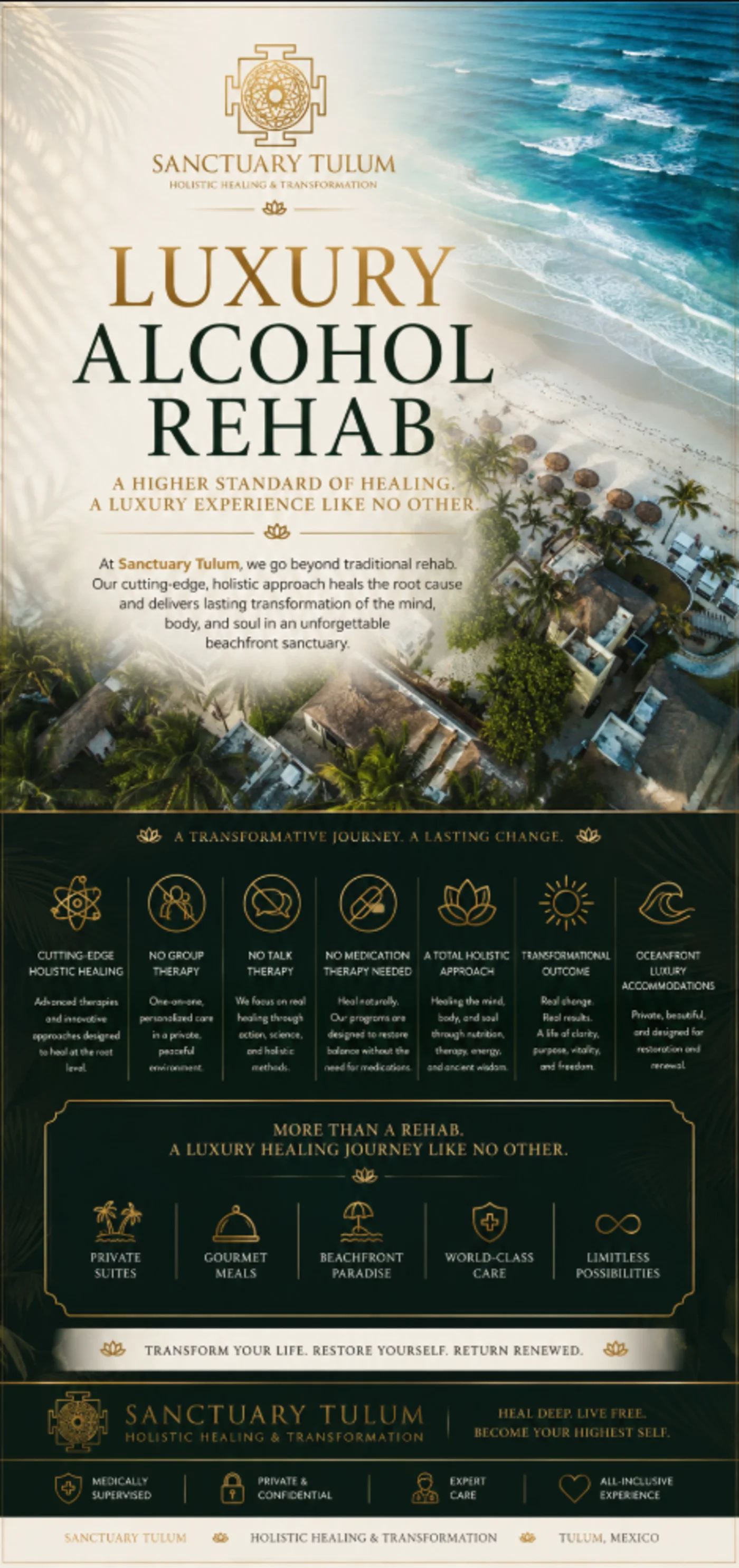
Mexico's emergence as a destination for luxury drug rehab is not accidental. Access to plant-based and IV-based therapies unavailable in most U.S. or European jurisdictions, oceanfront property at a fraction of comparable U.S. coastal pricing, and a growing cluster of serious medical facilities have combined to make it a genuine option for families evaluating high-end treatment abroad, rather than a workaround for people avoiding regulation at home.
That said, "Mexico rehab" spans an enormous range of quality, from excellent licensed medical facilities to informal operations with no clinical infrastructure at all. The Substance Abuse and Mental Health Services Administration recommends that anyone evaluating a treatment program — anywhere in the world — confirm licensing, medical staffing and individualized care planning before travel, and that advice applies with particular force across a border.
This piece sets out what actually distinguishes a serious facility from a marketing exercise, using Sanctuary Tulum's model as a working example rather than a sales pitch.
Why the country, and why now
The single biggest practical difference is treatment access. Certain IV protocols, stem cell therapy and medically supervised sacred plant medicine work — ayahuasca, ibogaine, psilocybin, 5-MeO-DMT — sit in a regulatory position in Mexico that allows licensed clinics to offer them under medical supervision, in circumstances where the same guest would have no comparable legal option at home.
Property and staffing costs also allow a very different guest-to-staff ratio than most domestic programs can sustain at the same price point — which is part of why oceanfront, single-occupancy, low-census models have become viable in Tulum in particular.
What to verify before you book anything
Ask for the medical team's credentials directly, ask what happens in a cardiac or psychiatric emergency, and ask how the facility screens for contraindications before any ceremonial work. A serious clinic will answer these questions specifically and without hesitation; a marketing-led operation will redirect to testimonials.
Ask, too, about occupancy and staffing ratios. A facility advertising individual attention should be able to describe its census and staff-to-guest ratio precisely, not in general terms.
The country is not the safeguard. The medical team, the screening process and the staffing ratio are the safeguard — wherever the facility happens to sit.
Sanctuary Tulum
What a serious facility should be able to show you
Non-negotiables before committing to treatment abroad.
Physician oversight
Named medical staff, not just wellness practitioners.
Individual screening
Cardiac, psychiatric and medication review before any protocol.
Emergency plan
A clear, specific answer for medical escalation.
Staffing ratio
How many guests per clinical staff member, stated plainly.
Aftercare plan
A written continuing-care plan, not a verbal promise.
References you can verify
Not just testimonials, but checkable clinical credentials.
How Sanctuary Tulum is structured
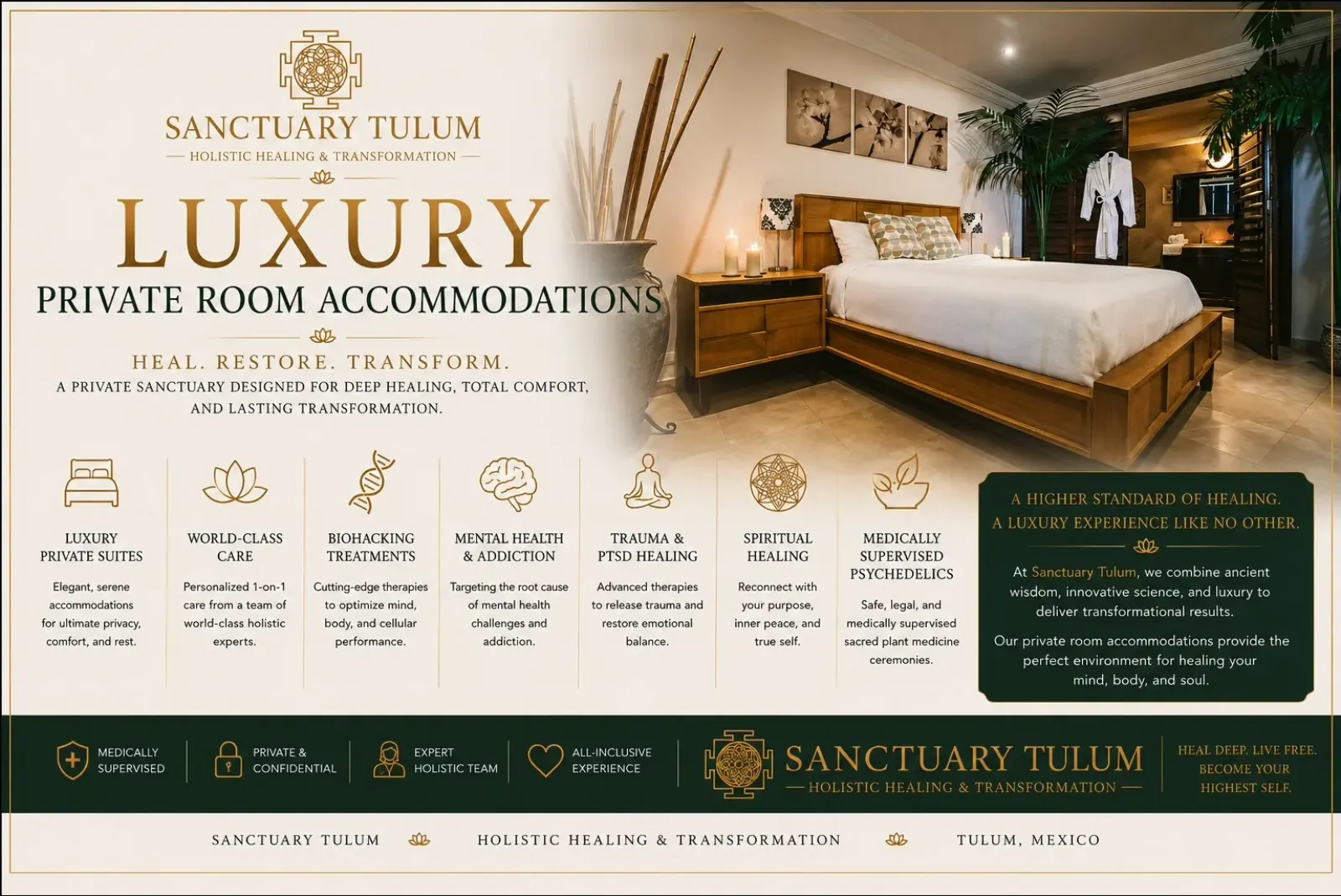
Sanctuary Tulum is a licensed oceanfront healing center on the Riviera Maya, operating since 2011. There is no talk therapy in the group-therapy sense, no 12-step curriculum and no psychiatric medication protocol; instead, treatment is organized around founder Johnny Tabaie's proprietary Pouyan Method™, delivering more than 35 hours of one-to-one clinical work each week.
The clinical toolkit spans medically supervised sacred plant medicine, Brain Repair IV drips, NAD+ IV therapy, amino acid and glutathione protocols, stem cell therapy, hyperbaric oxygen therapy, ozone/EBOO, infrared sauna, red light therapy, cold plunge, yoga, meditation and bodywork, alongside organic, whole-food nutrition.
Common misconceptions worth correcting
A frequent assumption is that treatment in Mexico is inherently cheaper because regulation is lighter. In practice, serious licensed facilities carry the same medical staffing, equipment and insurance costs as comparable programs anywhere else; where a genuine cost advantage exists, it usually comes from property and general labor costs, not from cutting clinical corners. Families should treat unusually low pricing at a facility offering advanced medical protocols as a reason for more diligence, not less.
A second misconception is that plant medicine ceremonies are inherently riskier than conventional psychiatric medication. Both carry real risks that depend heavily on screening, dosing and supervision. The relevant question is not which category of treatment sounds more exotic, but whether the specific protocol offered is backed by individualized medical screening and monitoring.
Making the decision
A stay abroad is a serious commitment, logistically and clinically, and it deserves the same scrutiny you would apply to any medical decision made outside your home country. The right question is not "is Mexico a good place for rehab," but "is this specific facility, with this specific medical team, the right fit for this person's history."
Programs at Sanctuary Tulum run four to sixteen weeks across Gold, Platinum and Elite VIP tiers — detailed on the packages and pricing page. The luxury rehab program program page and the luxury detox program page describe the clinical model in more detail than this article can, and the all treatments overview lists the full protocol range.
For anyone weighing a stay at a luxury mental health rehab in Mexico, a direct conversation with the clinical team through the contact page is the most reliable way to evaluate fit before travel.